I do remember an apothecary … And in his needy shop a tortoise hung. An alligator stuff’d and other skins. Of oil-shaped fishes, and about his shelves … Green earthen pots and musty seeds. Shakespeare’s Romeo and Juliet
The first medicines came from the natural world. Metals and gemstones from the soil, various animals, and a multitude of plants from the living world. Sherlock Holmes and Agatha Christie echoing Paracelsus showed that the line between a medicine and a poison is often a fine one.
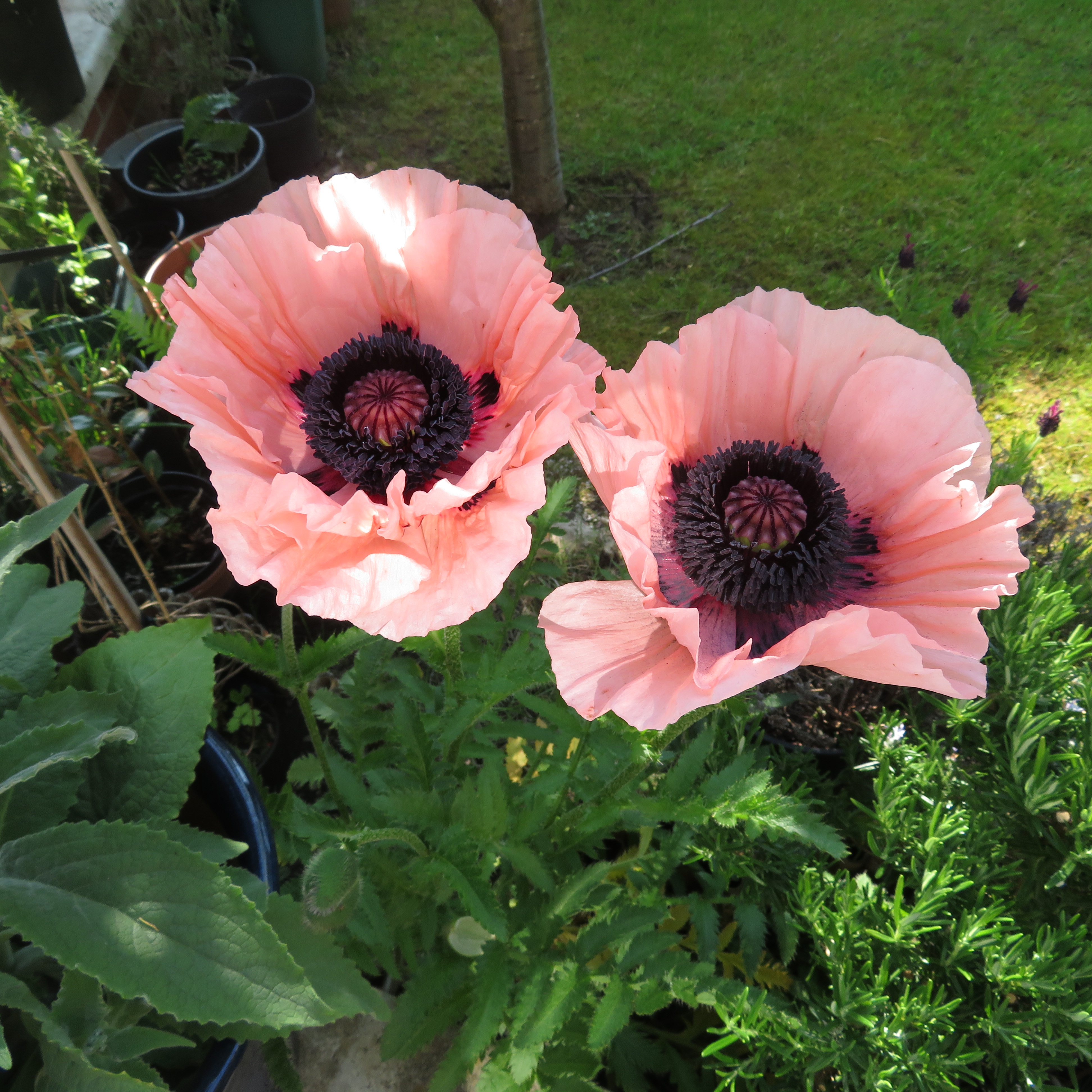
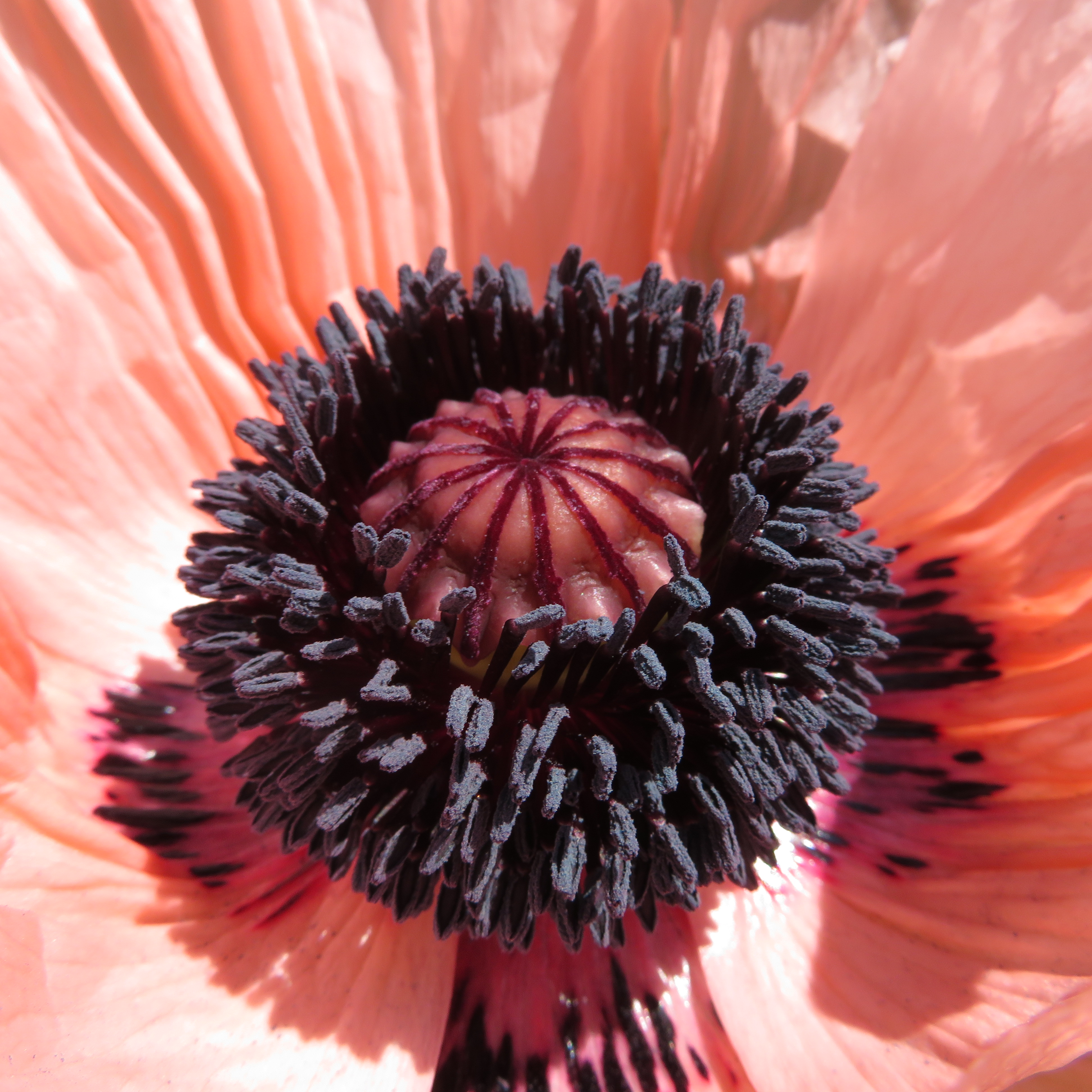
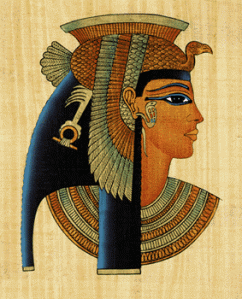
With the development of synthetic chemistry from the dyes industry at the turn of the nineteenth century, a host of new drugs emerged, often starting from lead molecules gifted to us by nature, salicin from the willow tree and morphine from the poppy. Humans love to adorn and medicate themselves. Cleopatra had her lead eye shadow, and opium and the autumn crocus in her medicine cabinet. Queen Victoria at her Coronation was draped in shimmering silk, dyed mauve with the mauveine synthesised by William Perkins. Darwin was there in the crowd watching, while waiting to board the HMS Beagle on his search for our Origin. It was from these dyes that the Germans synthesised the first synthetic miracle drugs. Queen Victoria gave a relatively painless birth to Prince Leopold, her eighth child, thanks to the chloroform administered by John Snow, better known for solving the mystery of cholera’s transmission in London’s Soho, and thereby giving birth himself to the science of epidemiology
At Medicine Trees, we bring you some of these stories to celebrate the ingenuity of humans in taking leads from nature to combat illnesses, some transient, some permanent, some more serious than others until we complete our personal cycle of life on this beautiful earth where we are all briefly gorgeous.
 Medicine Trees
Leave a comment