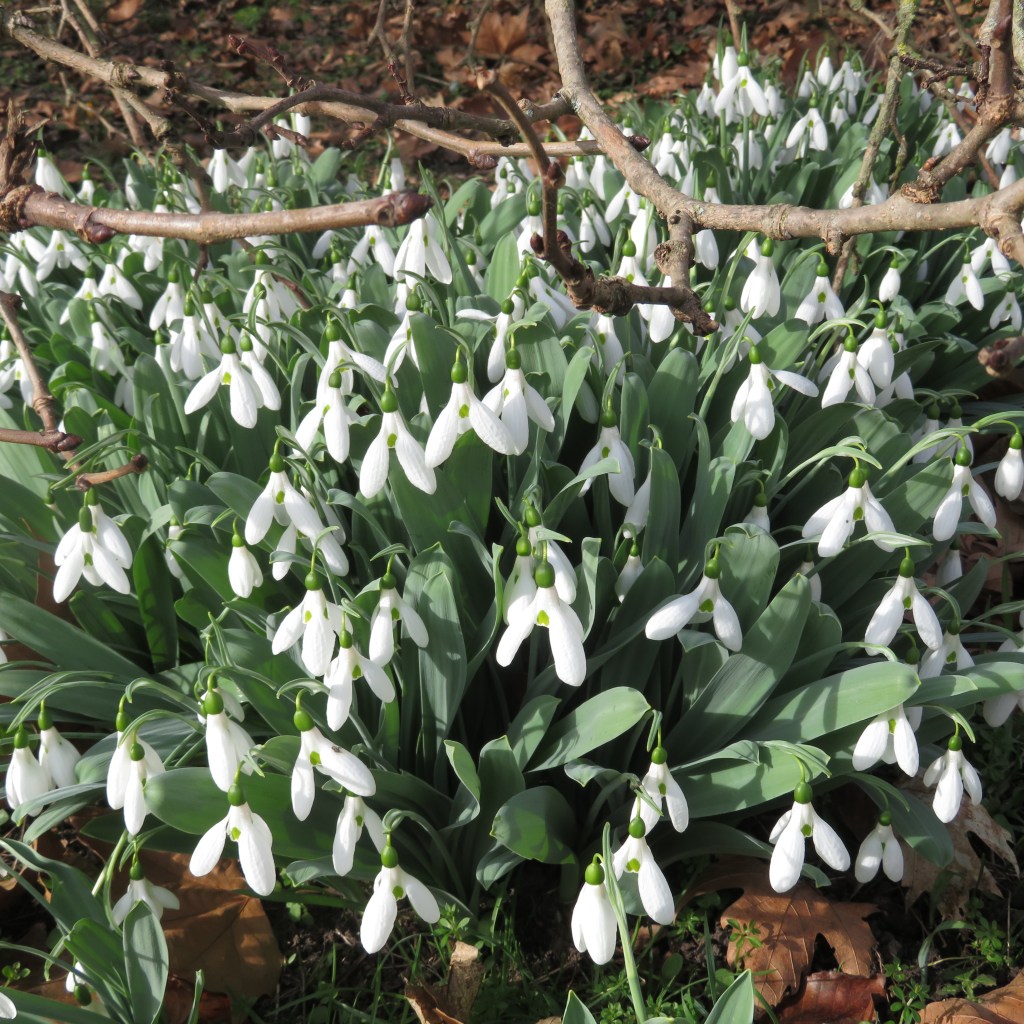
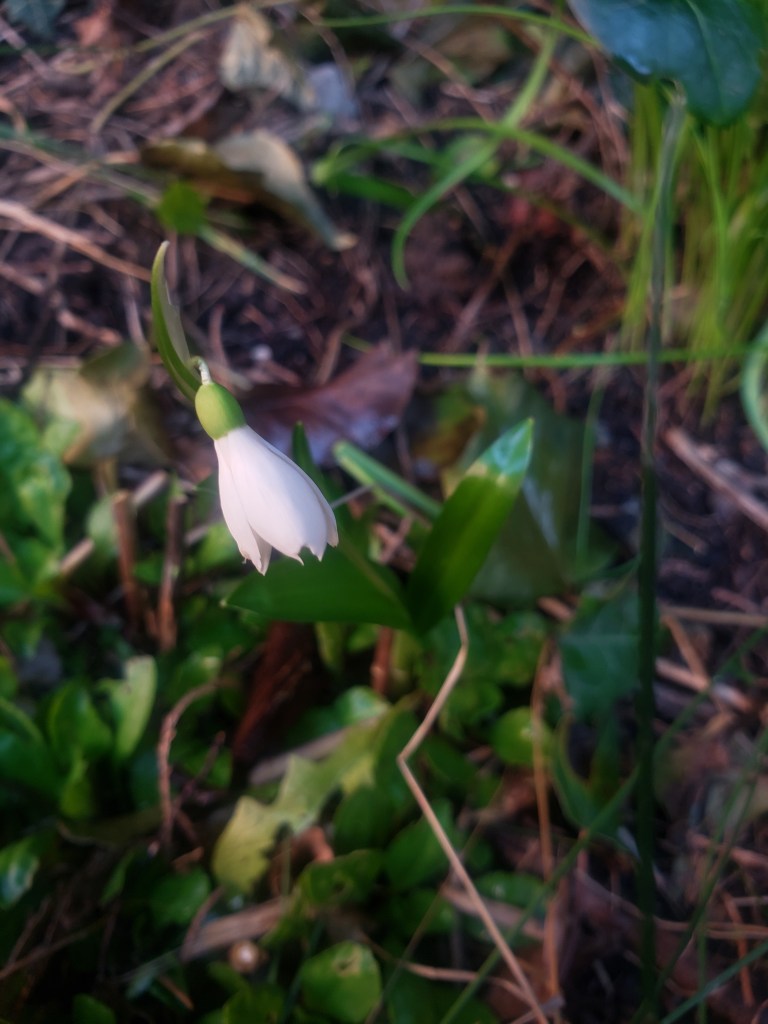
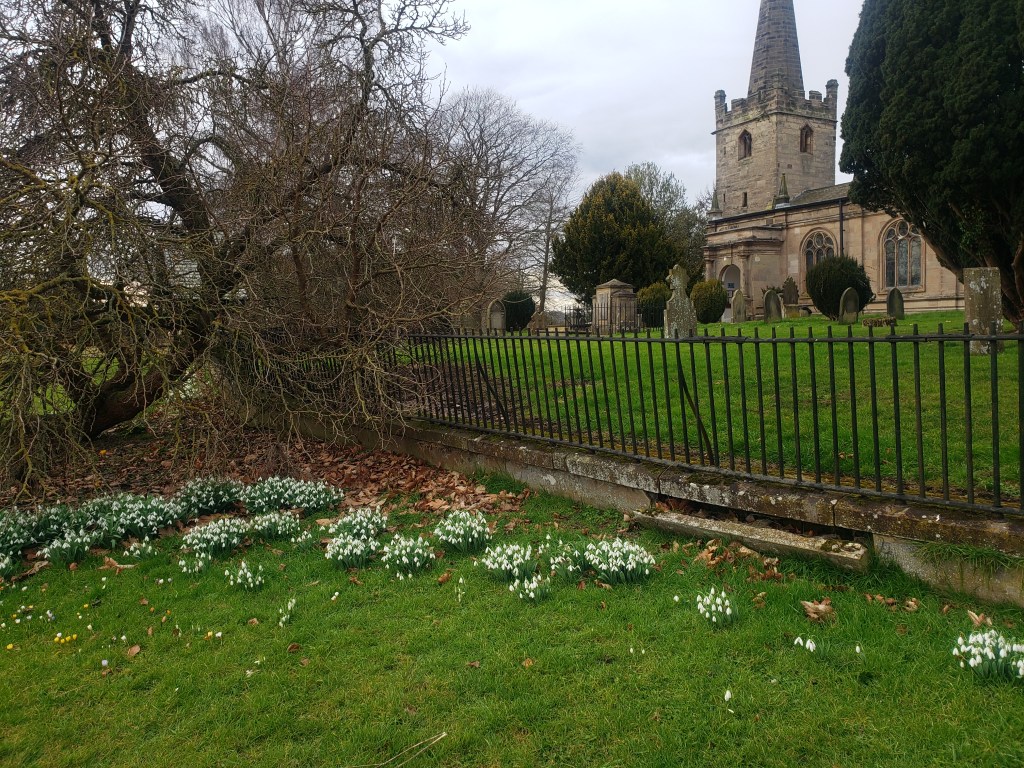
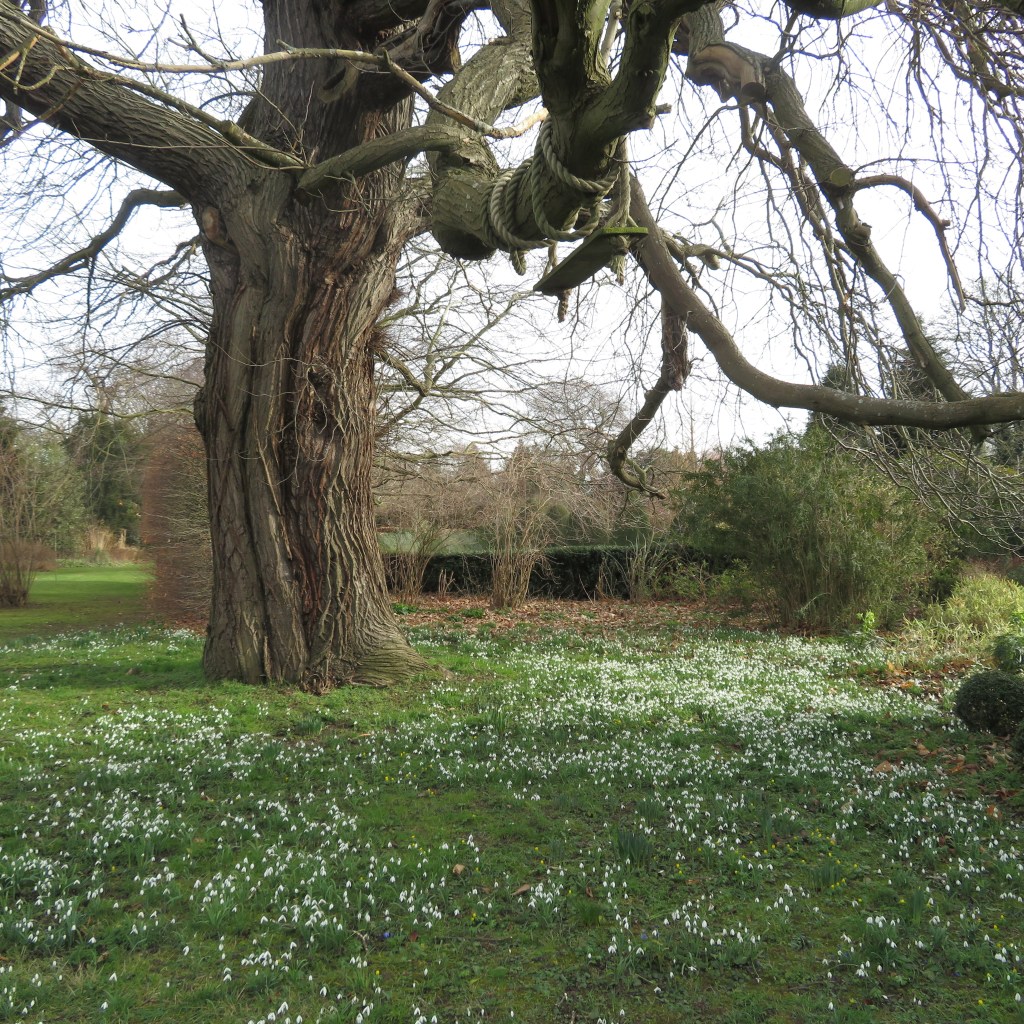
What better way to welcome spring early in February than with the beautiful snowdrop which the French call Perce neige (snow borer) because it is often seen piercing through a bed of snow at the end of winter.
To the poet Alfred Tennyson, the snowdrop was February’s fair maid. To Wordsworth it was the
Lone Flower, hemmed in with snows and white …
Forehead bent low as if fearful to offend
Chaste, venturous harbinger of Spring,
And pensive monitor of fleeting years!
To me they bear witness to the wonder of nature as winter gives way to spring and a colourful new beginning.
What is not very widely known is that for the increasing number of patients with Alzheimer’s disease, it is the original source of one of the few drugs that bring some symptomatic relief in their struggle against darkening years and fading memories at the dusk of life.
Galanthus nivalis, has been used as a medicine since ancient times for the management of pain and neurological symptoms. To Homer, the plant, with dark roots and milk (gala)-white flowers (anthos) which the Gods called Moly, protected Odysseus against Circe’s, the enchantress’s, mind-bending brew.
It was not until the late 1940s that formal scientific study of the plant began in central Europe. As with all ancient remedies, most of the many indications that have over time included cataracts, freckles, menstrual problems, and worms have failed the test of time and the hard challenge of formal clinical trials. However, an active compound galantamine, isolated from the snowdrop in 1952, was subsequently shown to be effective and safe enough for drug regulatory authorities, including those of the US and Europe, to approve its use for ‘the treatment of mild to moderate dementia of the Alzheimer’s type’.
Despite intensive research, we have yet to find effective remedies to slow down, let alone cure, the disease. Symptom palliation remains the prescription of the day.
 Medicine Trees
Leave a comment