Sadly, each year there are occasional reports of daffodil poisoning from around the world, usually of people mistaking the plant for onions or chives. This post is prompted by a recent self-report of poisoning in the British press.
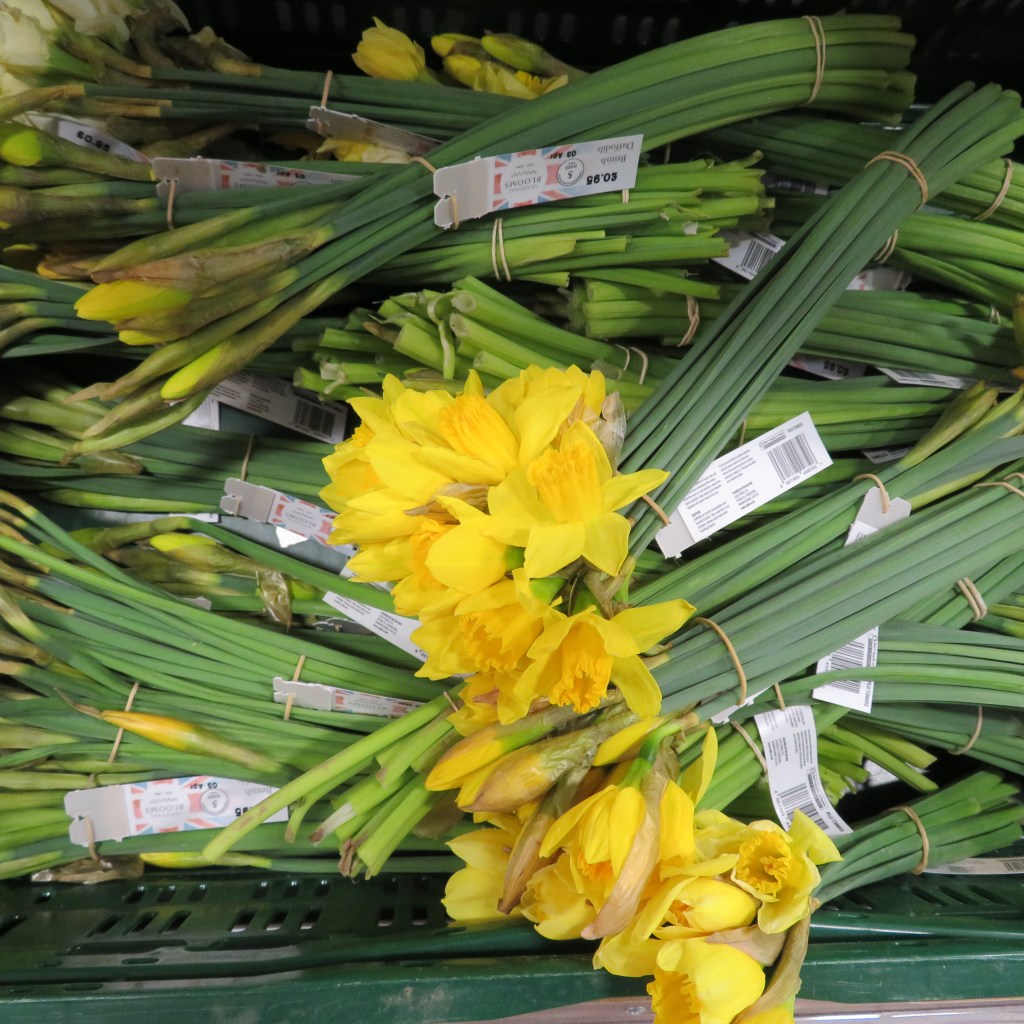
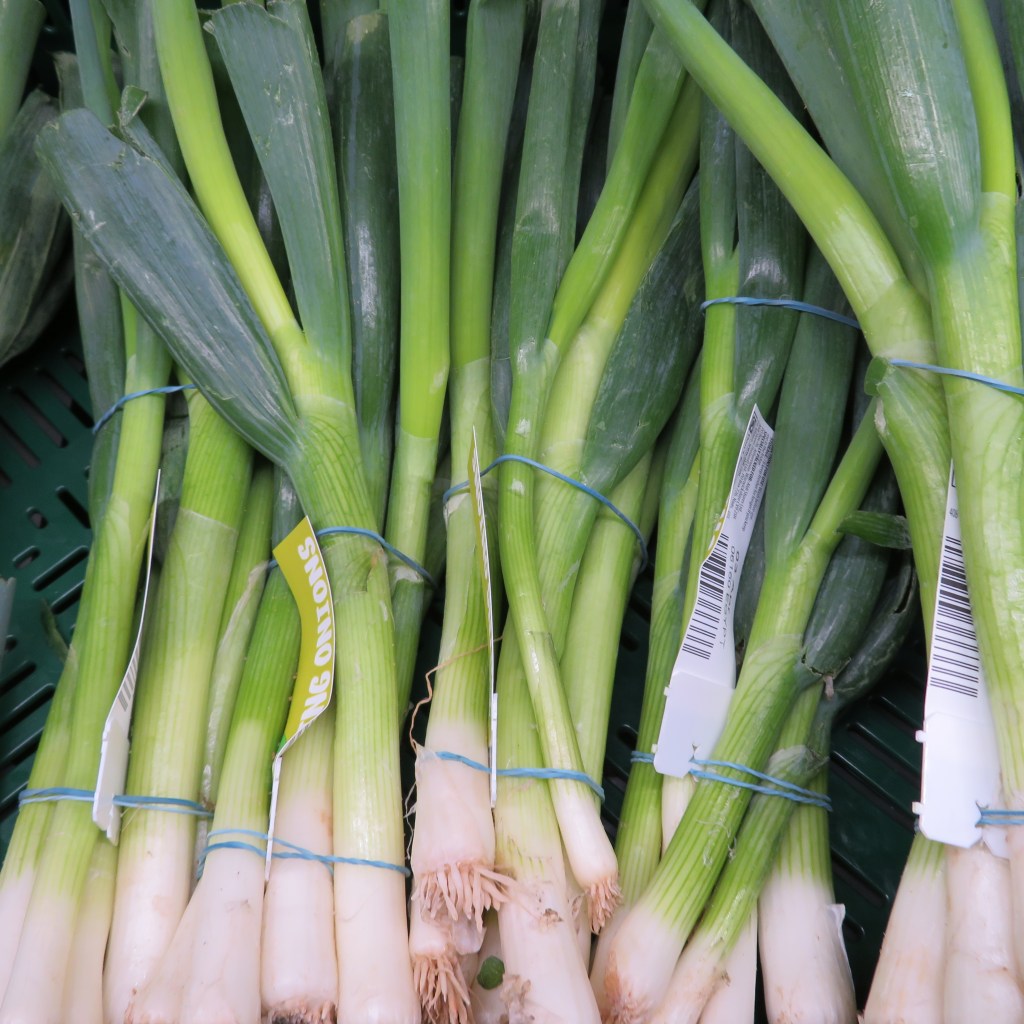
Michelle Collins, a star in a British television series, seemingly mistook a bunch of daffodils for spring onions (scallions) for her stir-fry.
Ms Collins bought a bunch of what she thought were spring onion from her local supermarket. She ‘chopped it up, put it in the wok, and had a few tastes.’ Soon after, she ‘was running to the loo and was violently, violently sick.’
The daffodil is the lovely flower Wordsworth fell in love with while wondering lonely as a cloud in the enchanting Lake district of England. There are more than forty species of the spring-flowering bulbs in the genus Narcissus. One species, Narcissus pseudonarcissus Wordsworth daffodils, is the main source of the Alzheimer drug galantamine we considered in an earlier post. Another species, Narcissus jonquilla has its own common name, jonquil (jonquille), the word the French use to refer to all daffodils. The oil from the highly fragrant jonquilla flowers is widely used in perfumery.
Although culinary onions are of the same plant family (Amaryllidaceae) as daffodils, they belong to different subfamilies: Allioideae (onion, garlic, leek and chives) and Amaryllidoideae (daffodils, snowdrops, amaryllis). A third subfamily Agapantoideae has only one genus comprised of the showy agapanthus species, hybrids and cultivars that adorn so many of our gardens and parks in summer and autumn.
Besides galantamine, daffodils produce many more alkaline compounds (alkaloids) of medicinal or toxicological interest, several undergoing detailed evaluation for possible clinical application. Lycorine, present in many of the narcissus species produces the classic symptoms (nausea, vomiting, abdominal pain, diarrhoea) with inadvertent consumption of daffodils instead of spring onions. A friend of mine was poisoned eating chives picked from a patch in his garden where daffodils compete for space. There are no specific antidotes against lycorine poisoning and treatment is with supportive therapy. Luckily symptoms, as Ms Collins reported, appear rapidly, usually before enough is consumed to threaten life.
Photos: Bunches of daffodils (shown with flowers) and spring onion on a supermarket’s shelves.
#Daffodils #Alzheimer #Galantamine #NaturalMedicines #PlantMedicines #MedicinalPlants #MedicineTrees #Lycorine #PlantToxin #PlantPoisoning @MedicineTrees2023 #MichelinStar
 Medicine Trees
Leave a comment