#MedicineTrees #GripeWater #MedicineTrees2023 #MedicinalPlants #Dill #Botanicals #NaturesMedicines #Herbal #Natural #Botanical #Hiccups #Malaria #StThomas’Hospital #HospitalPharmacy #WilliamWoodward1828_1912 #RobinHood @MedicineTrees2023
Malaria was an important killer in 18th century Europe including Britain. The disease was not eradicated there until the beginning of the 20th century. Between 1850-60 one in twenty of the patients hospitalised at St Thomas’s Hospital in London, the hospital where Florence Nightingale set up the world’s first secular nursing school in 1860, was due to malaria. I did my early training in the bowels of the hospital making infusion fluids, syrups, injections, and eye drops, several such as atropine and pilocarpine of plant origin, only surfacing for a ward round or lunch in the canteen looking across the Thames to the beautiful Houses of Parliament.
The epicentre of malaria in Victorian Britain was the Fens, a marshy region that extend into three eastern counties of England – Lincolnshire, Cambridgeshire, and Norfolk. As the favoured theory of the causation of malaria was inhalation of mal air (bad air) from the marshes, they were drained. This helped control the infection despite the erroneous theory because of the indirect decrease in mosquitoes, the carrier of the malaria parasite.
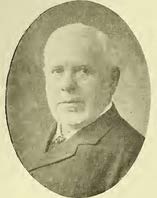
Of the many hocus-pocus preparations promoted as remedies for fen fever was an alcoholic mixture of dill oil, sodium bicarbonate and syrup. Inspired by this remedy which was claimed to be effective for an expanding fanciful array of indications, William Woodward (1828-1912), a pharmacist from Nottingham, my Robin Hood City, formulated his own trademarked version of the water for the management of gripe, a condition characterised by poorly defined symptoms of intestinal discomfiture and hiccups, so common in infancy. Today, almost eight centuries later Woodward’s Gripe Water can still be bought, albeit now without alcohol and sucrose, across pharmacy counters both in Britain and worldwide for the ‘relief of wind and gripe’.
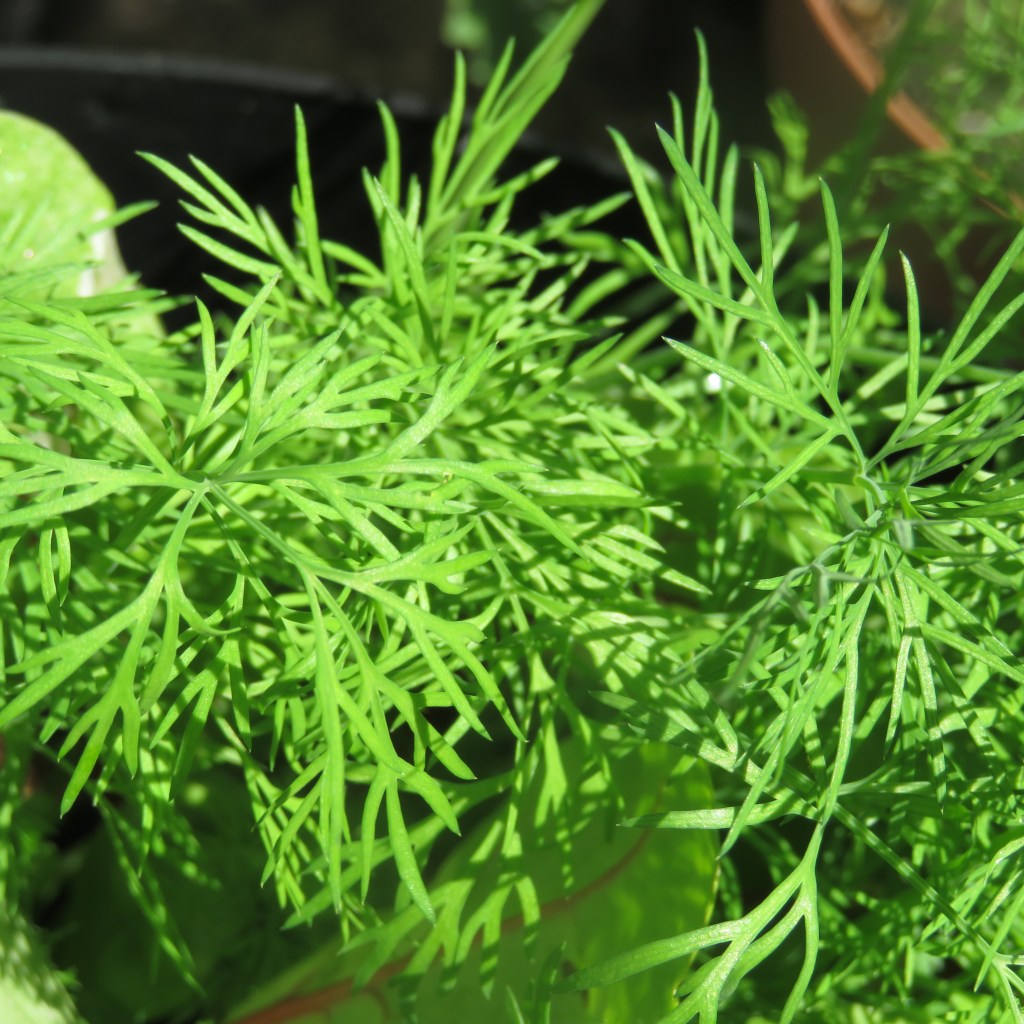
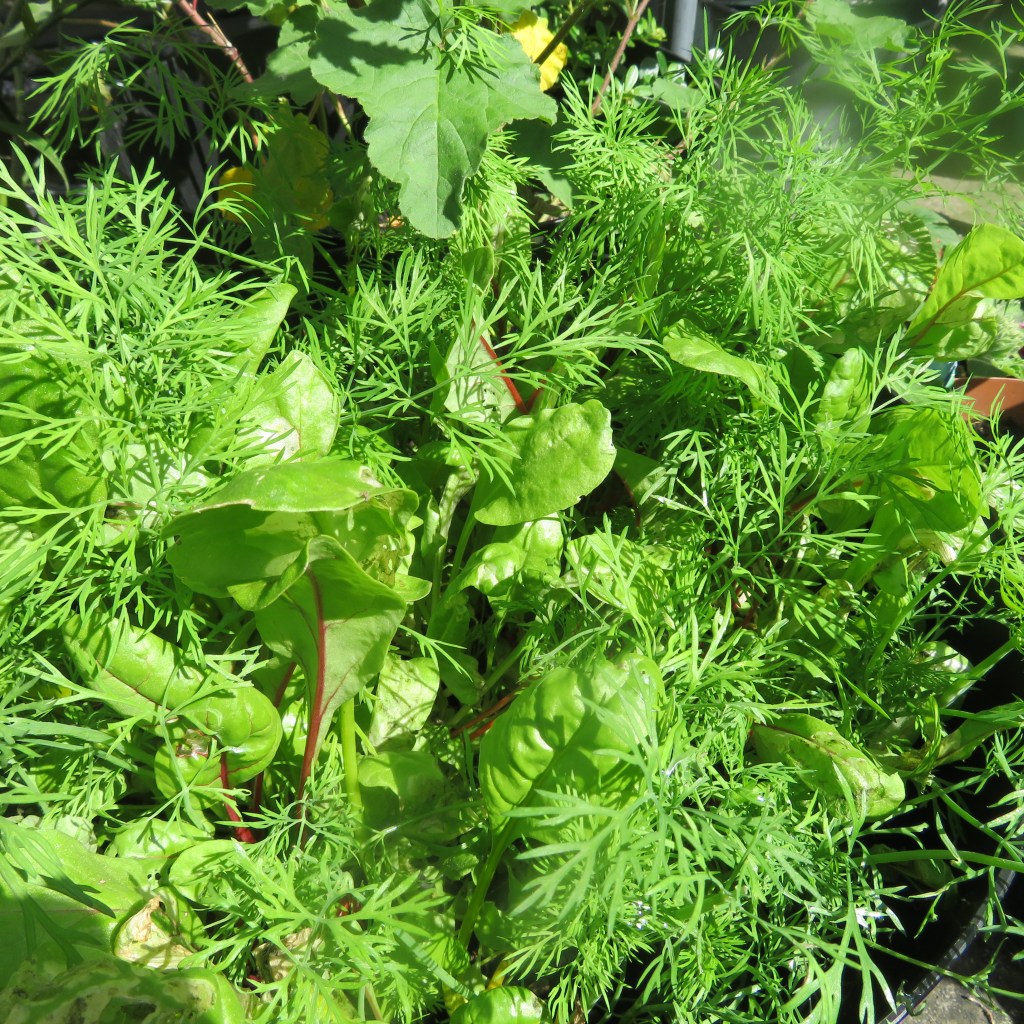
Dill has been used as a food or medicine since ancient times. It was found in the tomb of Egyptian Pharaoh Amenhotep II (reigned 1427-1401 B.C.) and was included in the ancient Greek herbals. I often associate the delicate herb with baked salmon and Nordic gravlax.
Is it effective?
No one knows but many across generations of grandmothers believe so. It is hard to undertake robust trials in the young for a condition that usually self-resolves rapidly without treatment However, it is a safe remedy and any relief that it brings is probably more due to its ‘sweet’ taste than to the flavoursome dill oil. It is a wonderful placebo for anxious parents when given to the infants.
Photos: Pharmacist William Woodward and dill herb growing in a bed of chard
 Medicine Trees
Leave a comment