Wormwood, wormwood (Bitter, bitter), said Hamlet to himself.
Shakespeare’s Hamlet, Act III, scene ii
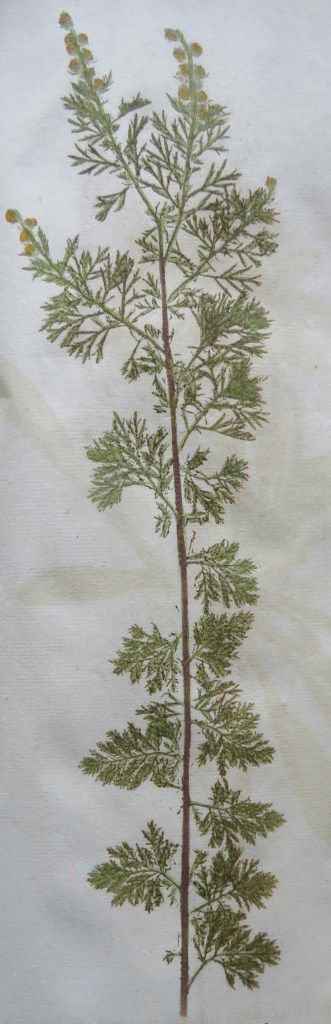
Hamlet was inwardly unhappy with what he was hearing from the Player Queen, likening it to the taste of bitter wormwood (Artemisia absinthium).
Artemisia absinthium has a long history of use as a medicine.
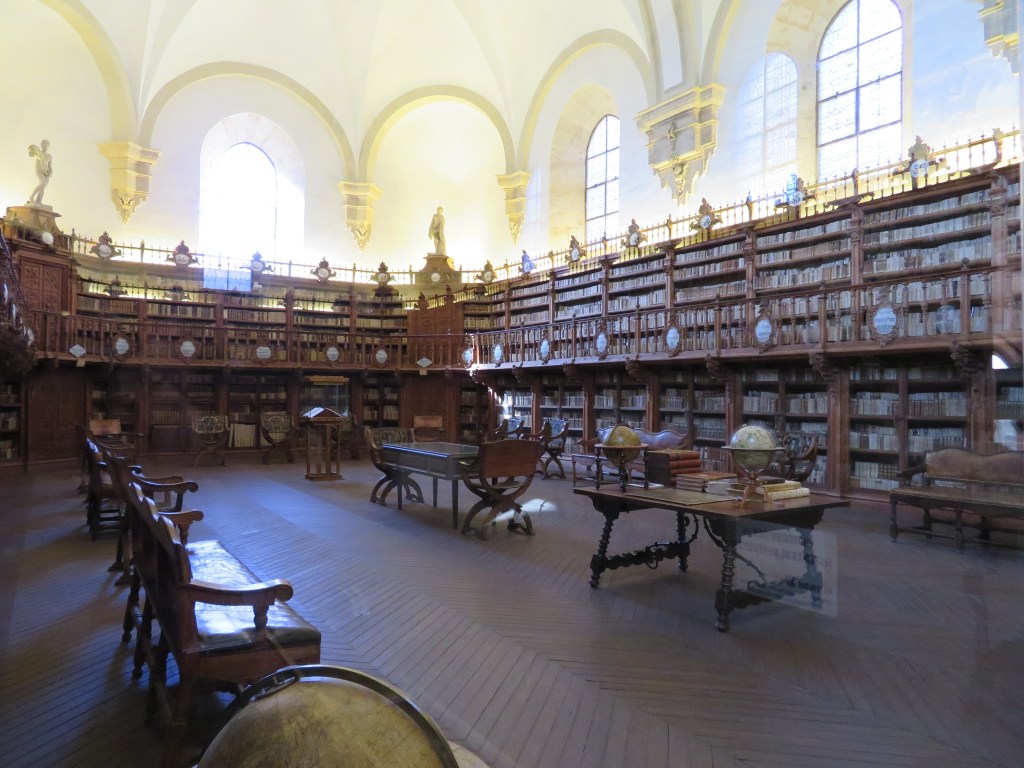
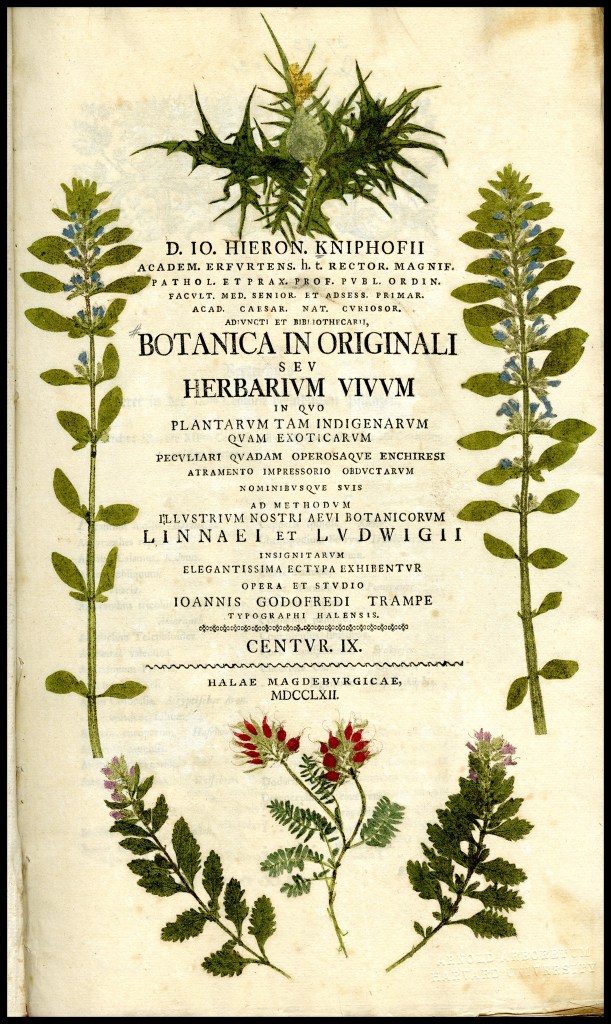
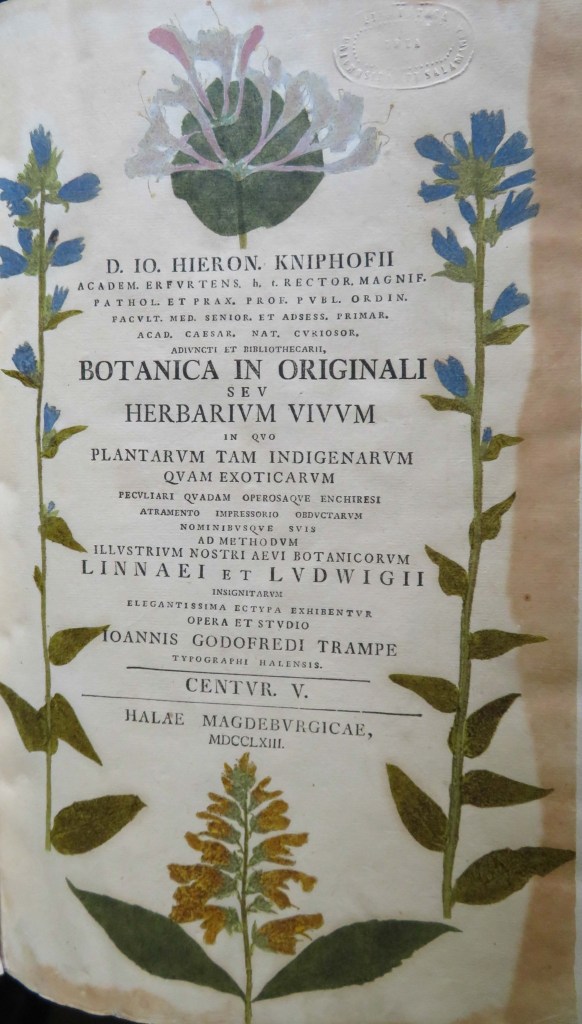
During a visit to the grand library at the University of Salamanca, the librarian Oscar Lilao was kind enough to show me his special collection of ancient books and the Herbarium vivum first compiled by Johann Hieronymus Kniphof in 1759 caught my attention and a random first flick through the 1763 edition led me to the page on Artemisia absinthium with a beautiful pressed branch of the medicinal plant used to make the spirit Absinthe, so loved by Bohemian artists such as Baudelaire, of the nineteenth century. As Shakespeare showed in Romeo and Juliet, mothers used extracts of the plant to wean babies off the breast.
In a following post I shall talk about Artemisia annua (Sweet wormwood), the source of the important Nobel Prize-winning antimalarial drug Artemisinin.
#MedicineTrees #MedicinalPlants #Herbal #NaturalMedicine #Botanical #PlantMedicines #Malaria #Absinthe #ChineseTraditionalMedicine #TCM #Malaria #Absinthe #Artemether #ChineseHerbs @MedicineTrees2023
Photos – Salamanca University Library, Cover of the Herbarium vivum and a page showing a twig of Artemisia absinthium
 Medicine Trees
Leave a comment