Everyone loses in wars. In the 1960s killing fields of the Vietnam War, both sides found a new enemy – drug resistant malaria, a disease that had plagued humanity from its birth.
With malaria becoming resistant to all the drugs then available, including quinine and chloroquine, the Americans galvanised their best university and drug industry researchers to work collaboratively with the Walter Reed Research Station in a frantic search for better treatments. On the other side, the North Vietnamese, with no advanced laboratories to hand, sought help from their main ally to the North – Chairman Mao. The Chinese responded by initiating Project 523, a collaborative anti-malarial-drug-development programme involving their leading universities and research institutions.
Convinced that their ancient herbal formularies contained lost gems (Mao’s term), the Chinese searched through their extensive Materia Medica records. They were in luck. One herb, Artemisia annua, known under its Chinese name Qinghao (Blue-green herb) appeared in several of the old documents as a prophylactic or treatment of a disease that indicated malaria, first in AD340 in Ge Hong’s Handbook of Prescriptions for Emergencies, then, among others, in The Complete Record of Holy Benevolence during the period of the Song Dynasty (960-1276) and in Danxi’s Mastery of Medicine Prescriptions for Universal Relief published during the period of Kublai Khan’s Yuan Dynasty (1206-1368), the period during which Marco Polo worked as one of the Emperor’s helpers in China.
Attempts to identify the active ingredient in sweet wormwood led to isolation of artemisinin in 1972, arguably the most important antimalarial drug since quinine. This innovation in the treatment of malaria was recognised by the Nobel Prize organisation with the award of its Prize in Medicine to Youyou Tu in 2015. It was, said the Committee, ‘a drug that is remarkably effective against Malaria’. Also honoured that year were William C. Campbell and Satoshi Ōmura, the discoverers of another major antiparasitic drug, Avermectin. Those two drugs were in the view of the Committee ‘discoveries’ whose ‘benefits to mankind are immeasurable’.
No drug is perfect, and the malaria parasite is showing resistance to artemisinin. To minimise this problem, malaria experts and WHO now recommend that the drug or its derivatives be used only as part of combination treatments.
#MedicineTrees #MedicinalPlants #Herbal #NaturalMedicine #Botanical #PlantMedicines #Malaria #Absinthe #ChineseTraditionalMedicine #TCM #Malaria #Absinthe #Artemether #VietnamWar#ChineseHerbs @MedicineTrees2023
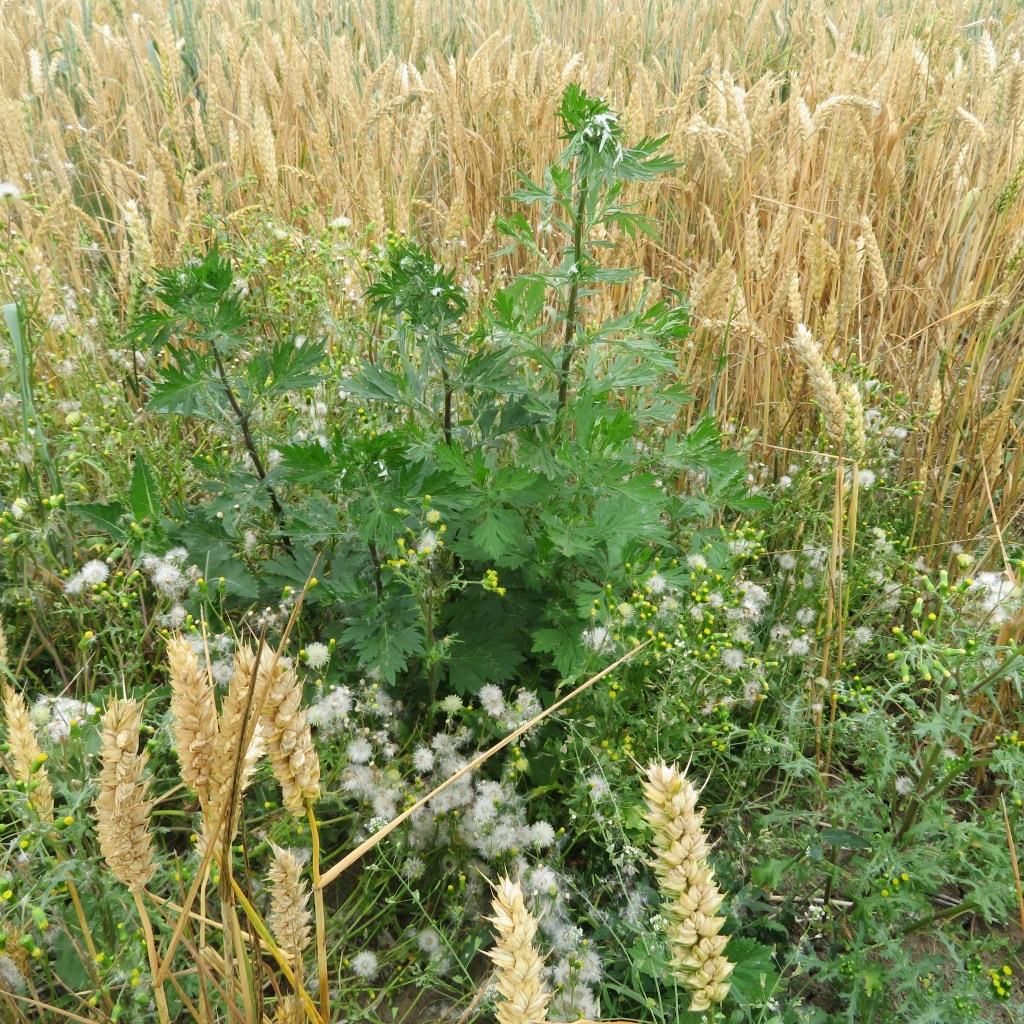
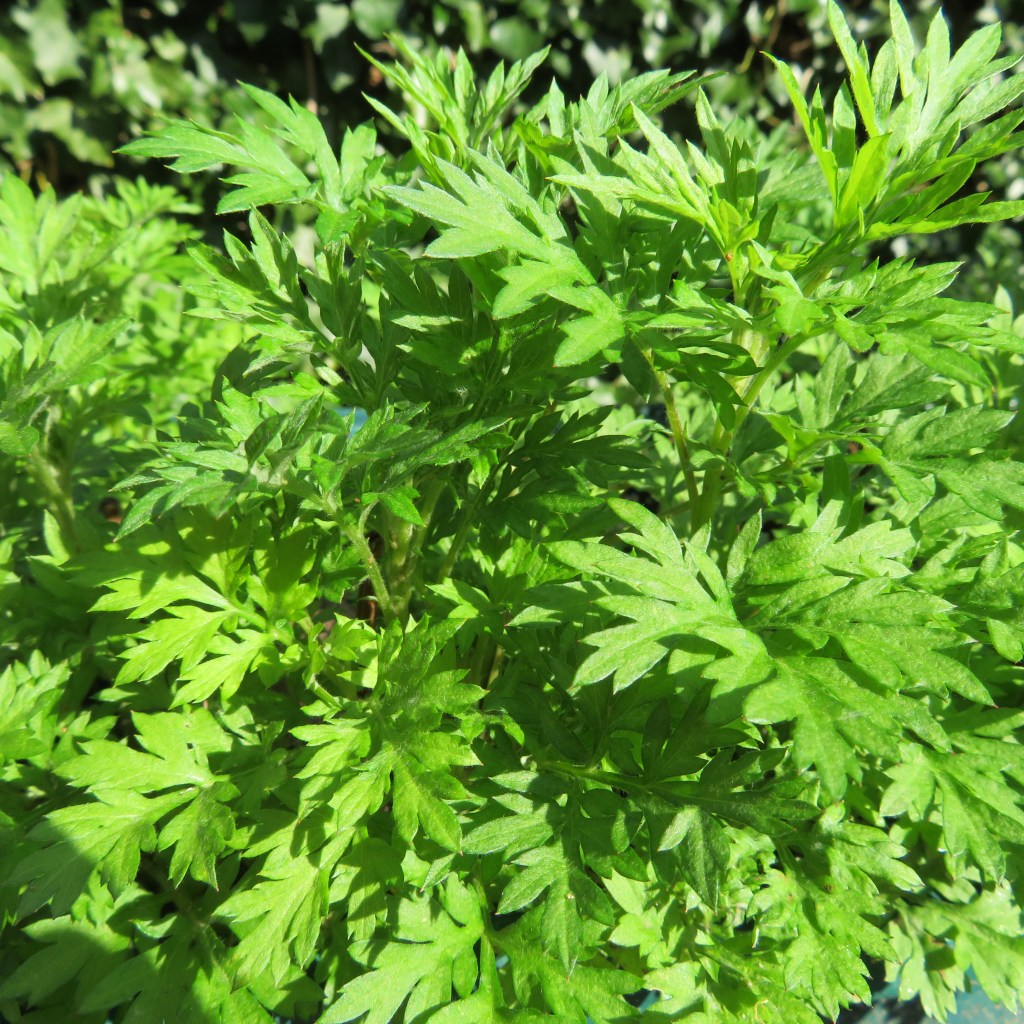
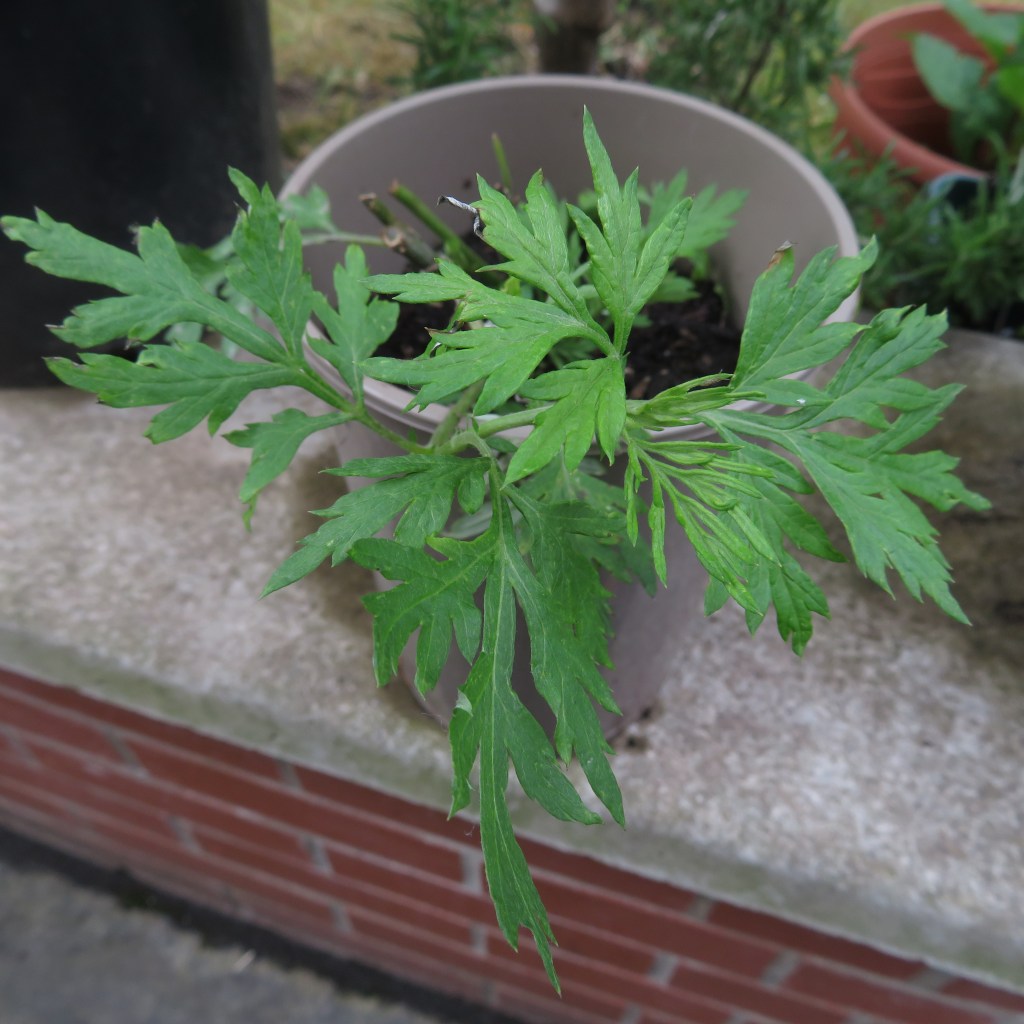
Photos – Artemisia in the wild and New season Artemisinin in my garden
 Medicine Trees
Leave a comment