Citrus medica (citron) was the first citrus to be introduced (~ fifth to fourth century BC) to the West from Asia where it originated, possibly in north-eastern India, south-western China, Burma, or the Malay Archipelago. Seeds and pollen of the citron dating to perhaps as early as the 3rd century BC have been found by archaeobotanists in the gardens of the well-heeled in the Vesuvius area before the mountain spat in anger, entombing Pompeii and Herculaneum in 79 AD.
Botanical remains of the lemon (C. limon) dating to around the time of Christ have been recovered in Rome.
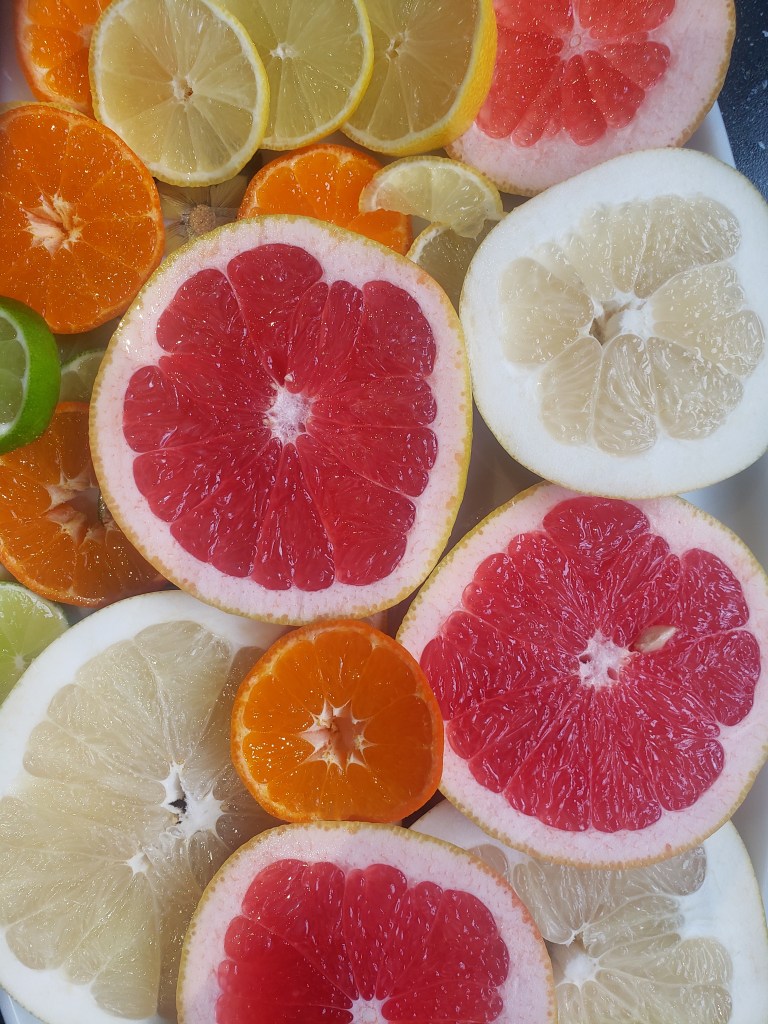
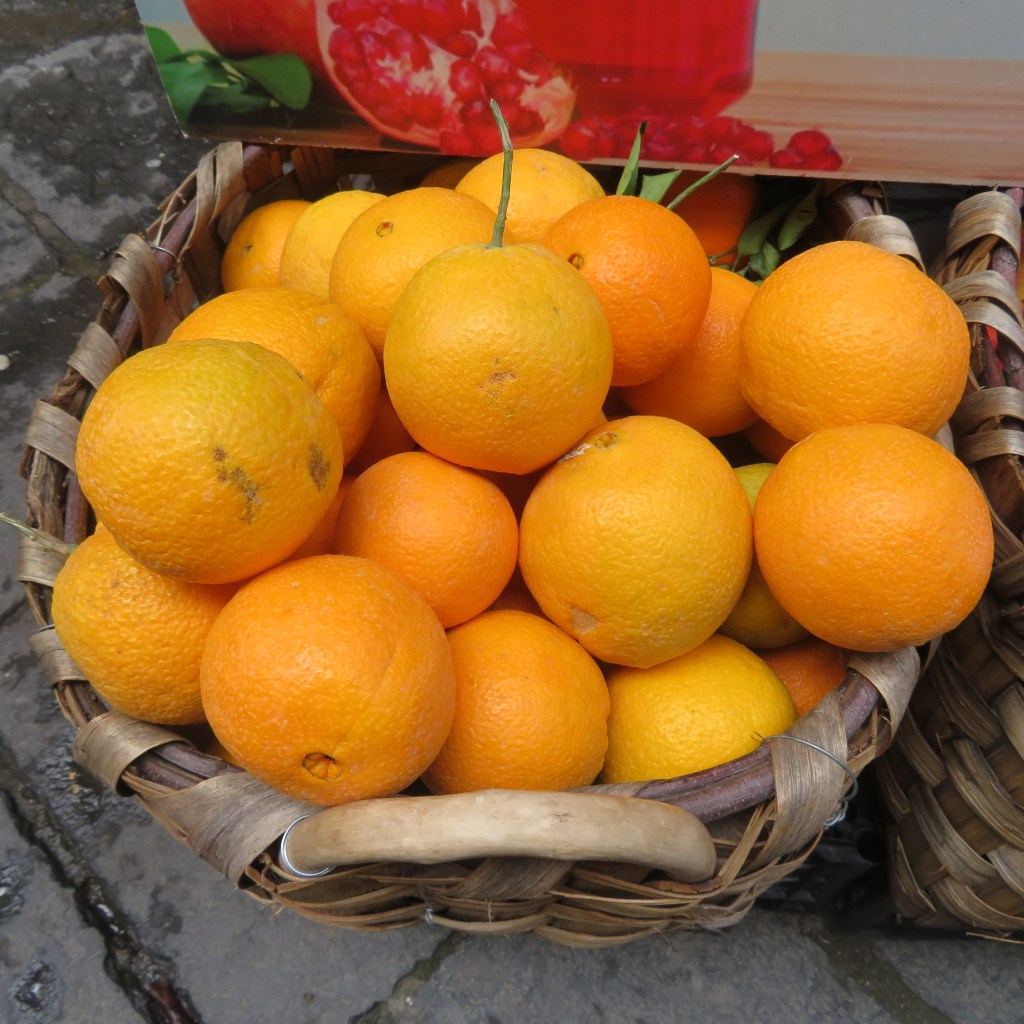
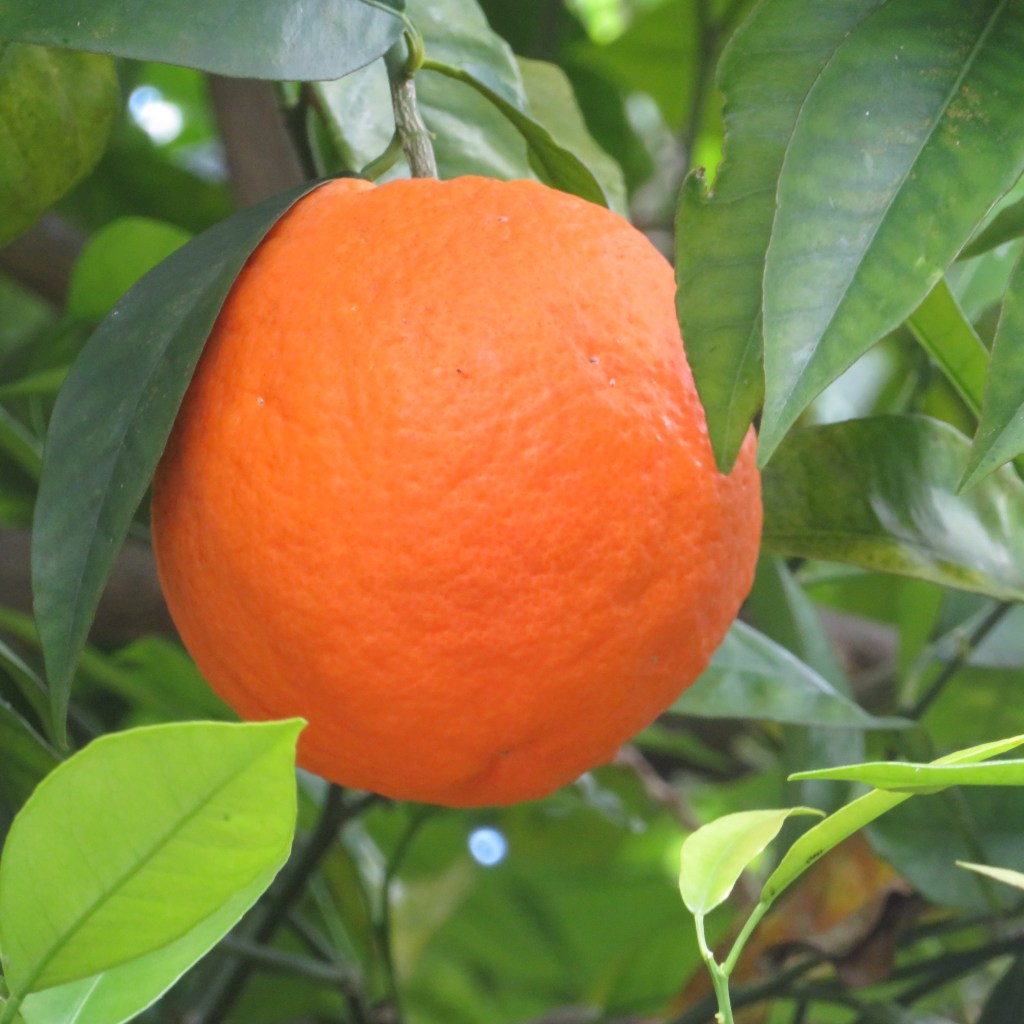
The sour orange (C. aurantium), lime (C. aurantifolia), and pommelo (C. maxima) did not reach the Mediterranean until the 10th century AD, perhaps brought over by the conquering Muslims. Sweet orange (C. sinesis) was introduced during the second half of the 15th century AD, probably by the Genoese and the Portuguese after their successful voyage around the Cape of Good Hope in the 15th century AD. The mandarin (C. reticulata) did not reach the Mediterranean until the early 19th century.
Did the citrus fruits contribute to the rise to pre-eminence of Venice, Genoa and Naples as trading centres? It’s hard to tell but the fruits probably contributed although scurvy became an enormous problem only when sea voyages stretched over many weeks across vast oceans and fresh plant foods including the citrus fruits became unavailable. By the time of Columbus, the value of citrus fruits in preventing scurvy was already well known to the Iberians and he in fact took some citrus seeds to Hispaniola and from there the plants were propagated to the American continent with many Latin American countries, Florida, and California now major sources of citrus fruits.
#archaeobotany #CitrusHistory #MedicineTrees #Botanical #MedicineTrees2023 #NaturesMedicines #MedicinalPlants #LimoneDiSorrento #FemminelloSorrentino #‘Sfusato Amalfitano #VitaminC #Scurvy #RiseOfVenice #RiseOfGenoa #RiseOfNaples #ColumbusAndCitrusFruits
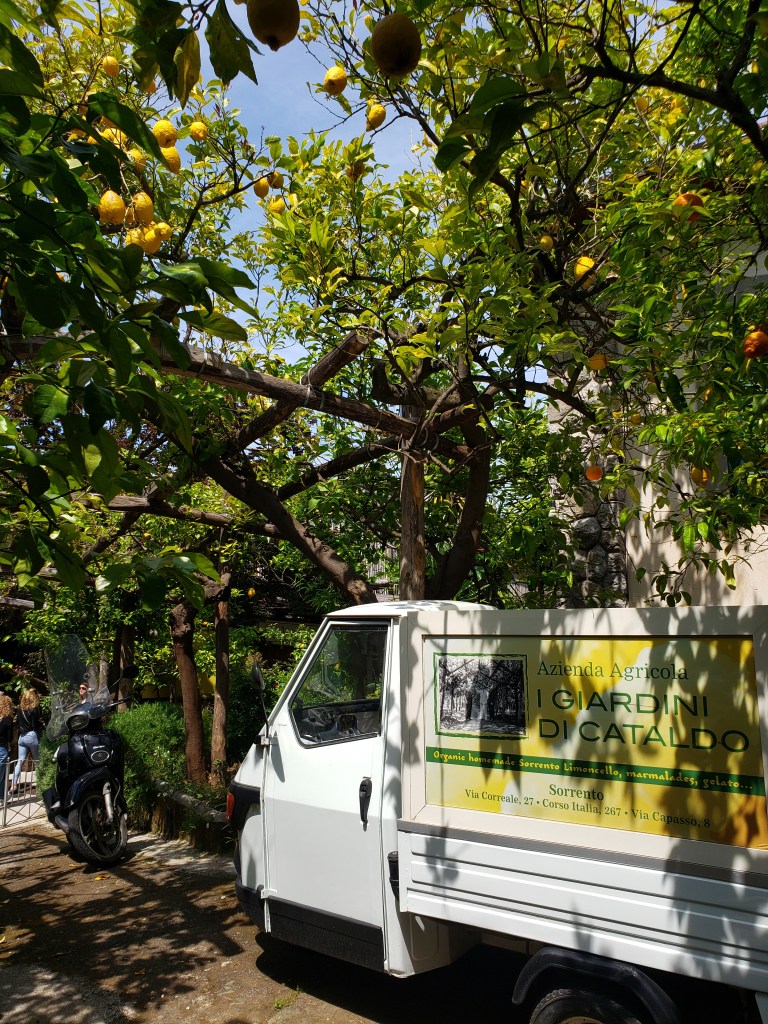
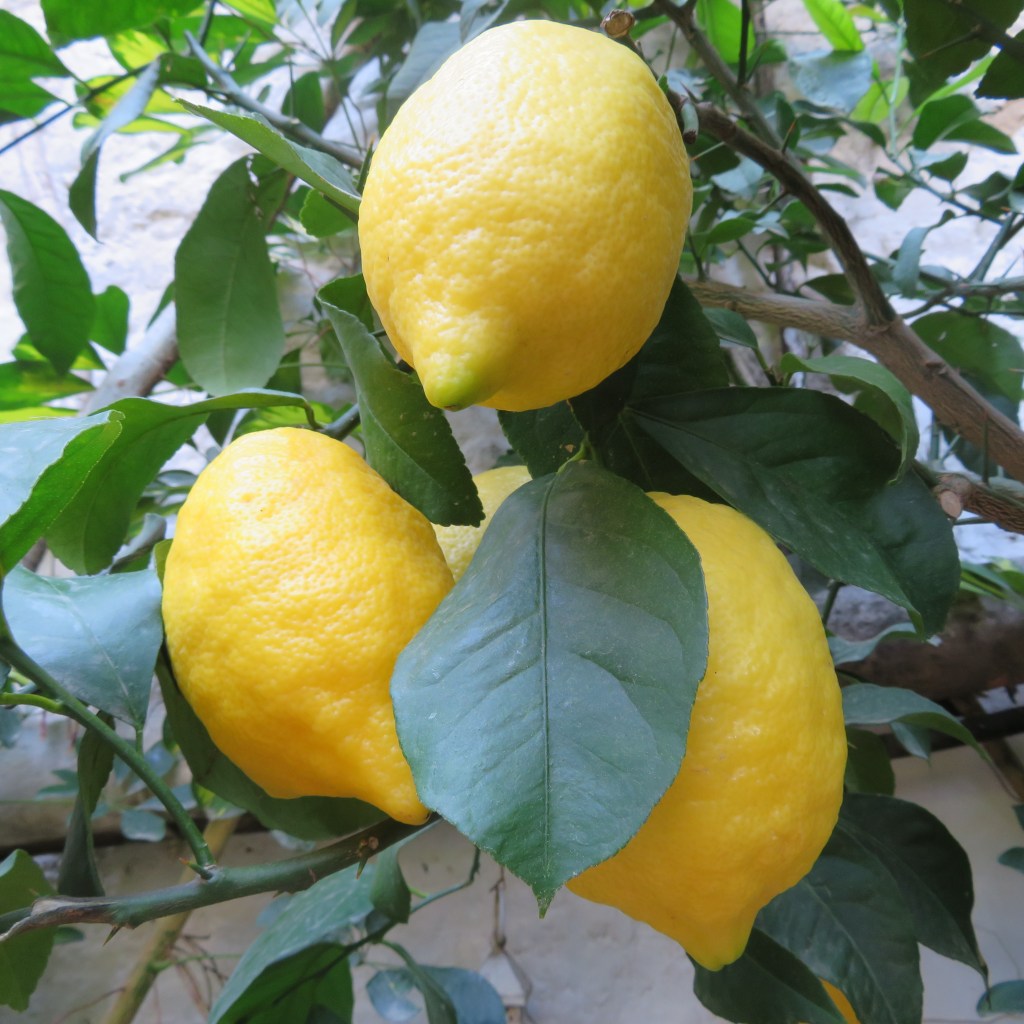
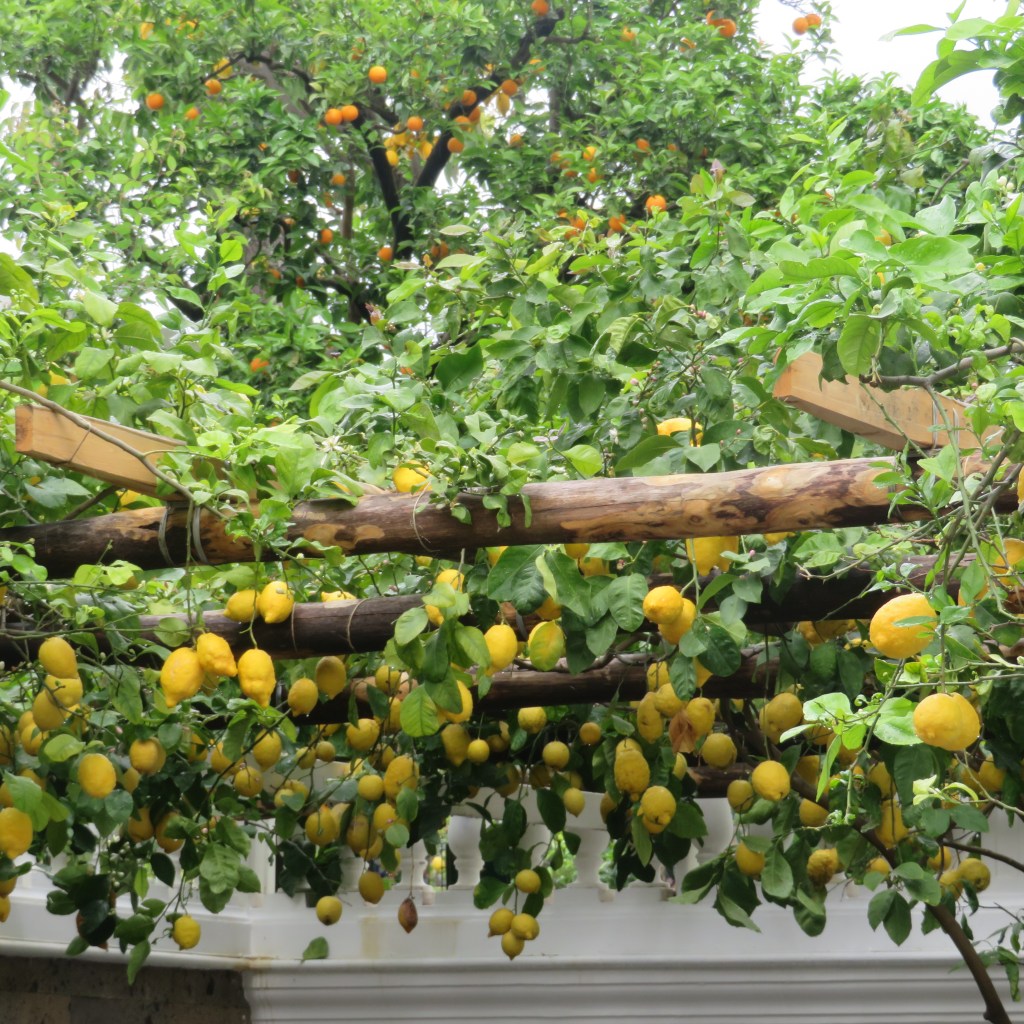
Photo Credits: Own photos taken May 2023 CEBP

 Medicine Trees
Leave a comment