#Psychedelics #FDA #LSD #Psilocybin #Psilocin #Mescaline #MedicineTrees #MedicinalHerbs #MedicinalPlants #HerbalMedicine #PlantMedicine #TakingLeadFromNature #Herbals #HernanCortes #Teochichimecas #Sahagun #Aztecs #NewSpain #PsychedelicDrugLicensing #AldousHuxley #DrugsFromNature #MagicMushrooms #MentalIllnessPlantMedicines #LouisLewin #AlbertHofmann #Sandoz #PlantDrugLicensing #Archaeobotany #PsychedelicTherapy #Descartes #TGA #MHRA #Phantastica #PsychiatricDrugTherapy
‘Cogito, ergo sum’, said Descartes. ‘Je pense, donc je suis. I think, therefore I am’.
The thinking, perceiving mind is what is developed more highly in humans than in any other living creature. But can it be expanded even further?
Thursday 8th April 2023
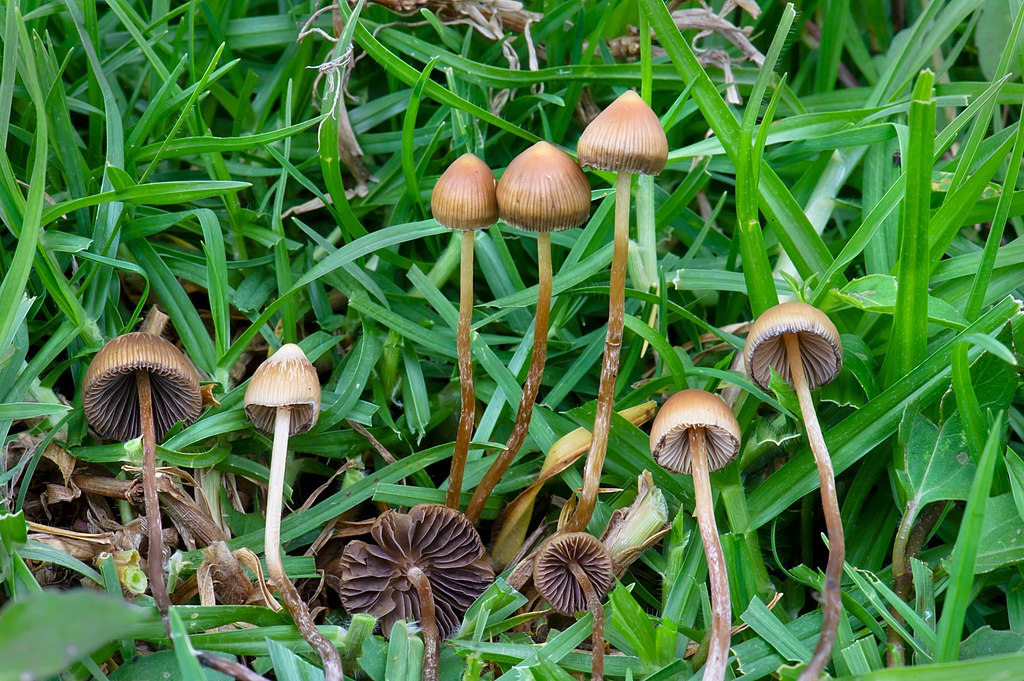
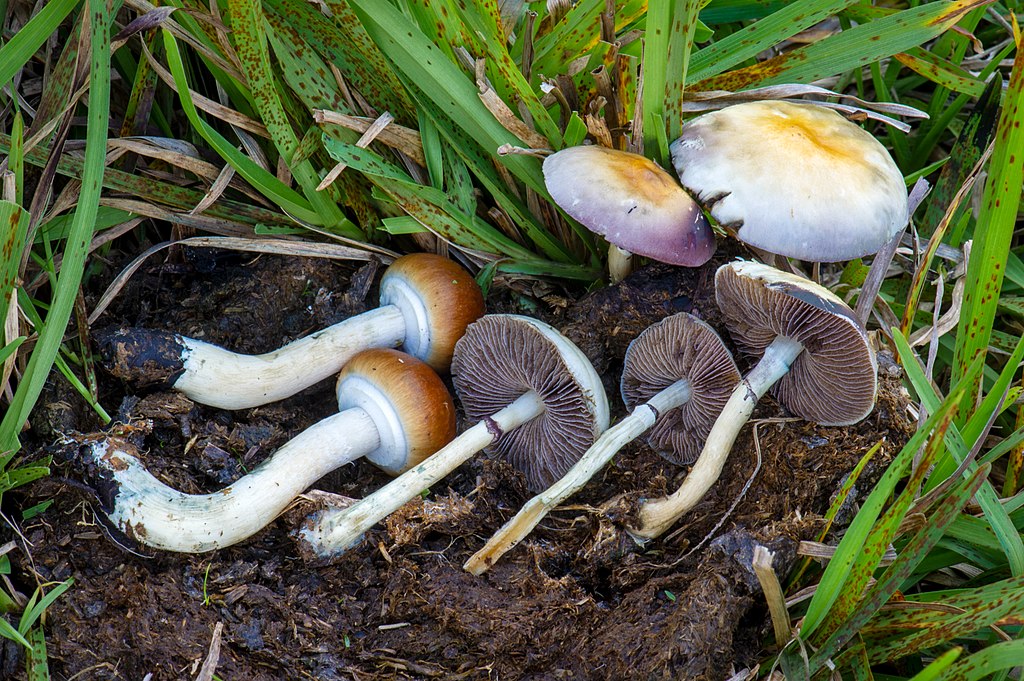
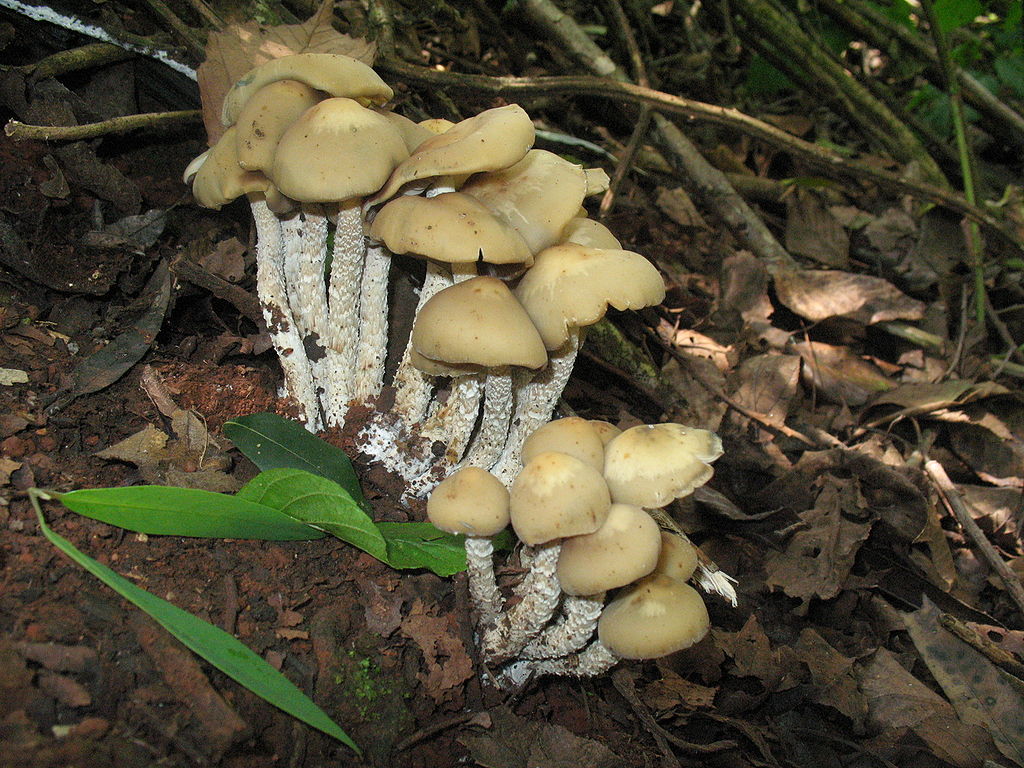
It was just after lunchtime that several 999 emergency calls went through to the Keswick Mountain Recue Team in the British Lake District. A team of eleven rescuers scrambled to the valley path from Styhead Tarn towards Seathwaite in Borrowdale where two of a group of young men were on a ‘trip’ of mind expansion after consuming ‘magic mushrooms’. Luckily, with the watchful-waiting eyes of the rescuers, they were soon off their highs and onto safe ground.
Sometime in the middle of the 16th Century
The Spanish conquistador Hernán Cortés (1485 – 1547) had taken possession of Tenochtitlán, the capital of the Aztec Empire and renamed it Mexico City in August 1521, thereby claiming the lands of the Aztec as part of the expanding New Spain.
As the conversion to Christianity of the natives was an important objective of Spanish conquest, Cortés appealed for priests of the Dominican and Franciscans Orders to be sent to him from the metropole. The first Franciscans, Cortés’ favourites, arrived in 1524, and Friar Bernardino de Sahagún, a keen and sympatheic observer of ethnic cultures (some say he was the first anthropologist) was among those who arrived in 1529. Almost half a century later he published his monumental work – General History of the Things of New Spain. Among the natives he sudied were the Teochichimecas.
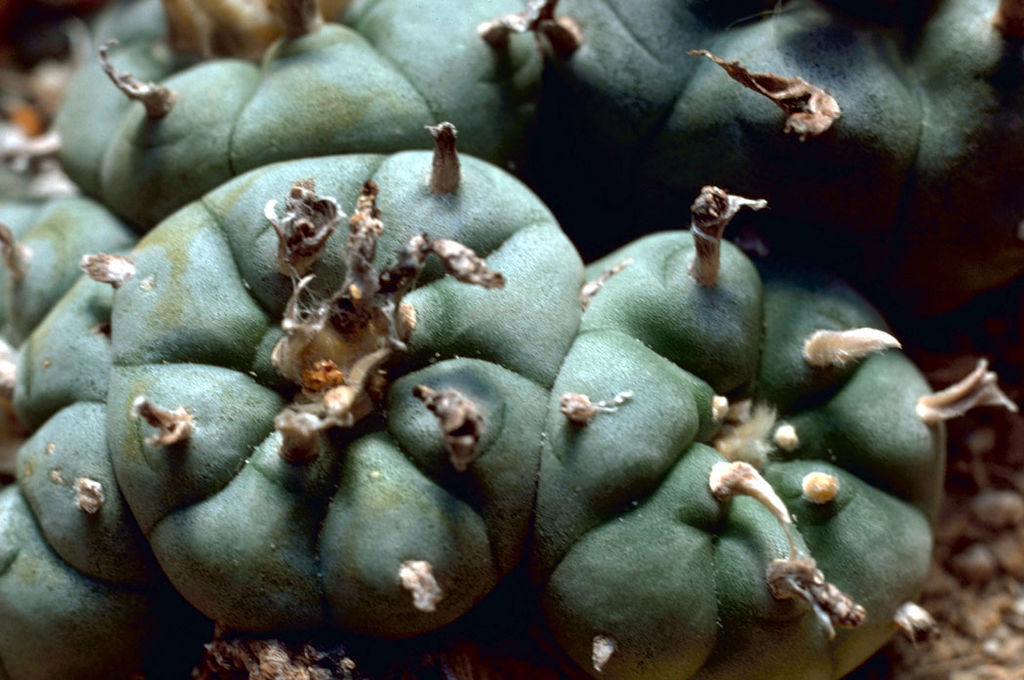
‘They had great knowledge of herbs and roots’, he reported, ‘They knew their qualities and virtues: they themselves first discovered and used the root that they call peyotl, and those who ate and drank it, drank it instead of wine. They did the same with what they call nanácatl, which are the bad mushrooms that make you as drunk as wine; and they gathered in a plain after having drunk and eaten, where they danced and sang night and day, to their pleasure, and this the first day, because the next day they all cried a lot, and they said that they were cleaning themselves and they washed their eyes and faces with their tears.’
The Teochichimecas had been using magic cacti and mushrooms long before the young men in William Wordsworth backyard where the celebrated poet walked lonely as a cloud inspired by daffodils, the source of another medicine, galantamine, used in the treatment of Alzheimer’s disease (see our previous posts on Daffodils and Snowdrops). Indeed, archeologists and archaeobotanists suggest that use of magic mushrooms goes back millennia.
What sent the Keswick mountaineers and the Teochichimecas ‘high’, we now know, included mescaline and psilocybin, which were isolated respectively from the Mexican cactus peyotl (Lophophora williamsii [syn, Anhalonium Lewinii]) by A. Heffter in 1896 and from the mushroom Psilocybe mexican by Albert Hoffman in the laboratories of the Swiss pharmaceutical company Sandoz in 1957. They synthesized it a year later. Many other species of psilocybe mushrooms, and members of other genera of mushrooms also produce psilocybin and its active metabolite psilocin.
Hoffman had earlier synthesized LSD (lysergic acid diethylamide), a molecule with similar mind-bending activities to mescaline and psilocybin. Such compounds would later be classed together as psychedelics,[i] a ‘name that, in the view of Humphry Osmond, the psychiatrist who coined the term in 1957, ‘includes the concepts of enriching the mind and enlarging the vision’. These were effects that were claimed for mescaline by self-experimenting Aldous Huxley in his 1954 Doors of Perception and Heaven and Hell. Although Huxley was already famous for his extensive literary output including his 1932 Brave New World, it was clear that he bought into William Blake’s (1757–1827) idea:
‘If the doors of perception were cleansed everything would appear to man as it is, Infinite. For man has closed himself up, till he sees all things thro' narrow chinks of his cavern.’
To Huxley and others, mescaline-type (psychedelic) molecules (he disliked the word ‘drug’ for such substances) would provide the key to open the door that led from a world of restricted perception to one with an infinite vista. He was echoing Louis Levin, an early investigator of psychedelic plant-derived drugs who suggested that such ‘chemical substances (which he called phantastica) would give an unaccustomed form to the ordinary sensations of life and to our normal ways of thinking and wishing.’ The peyotl cactus was named Anhalonium Lewinii in his honour. The U.S. Central Intelligence Agency, impressed by the claims, experimented on the use of psychedelics as ‘truth drugs’ for interrogations. For a time, Sandoz marketed psilocybin to physicians for use as psychedelic therapy but the reclassification of such drugs as drugs ‘with high potential for abuse and no currently accepted medical use’ (Schedule 1 in the US in 1973), in the light of clear abuse, stopped this practice.
As psychedelics evoke altered states of consciousness, psychiatrists, clinical psychologists, and other students of the mind, including lay experts, postulated that such drugs might be useful for a wide range of mental conditions ranging from chronic pain to schizophrenia and severe depression, and numerous clinical trials of variable quality were conducted for an enlarging range of indications. The path to modern drug licensing though is through good quality trials and the Food and Drug Administration, the regulator for entry to the US market, the most lucrative in the world, recently (June 2023) issued draft Guidance on generating the necessary clinical evidence for psychedelic drug approval. It is a sure sign that the path to licensed psychedelic drug therapy, if not to infinite perception, is nigh. As the FDA warns though, the path to licensed psychedelics for the prescriber is likely to be long and tortuous.
‘Psychedelic drug development programs are subject to the same regulations and same evidentiary standards for approval as other drug development programs. However, designing clinical studies to evaluate the safety and effectiveness of these compounds presents unique challenges. Psychedelic drugs can cause intense perceptual disturbances and alterations in consciousness … Some drug development programs incorporate a psychological or behavioral intervention.’
How would these translate into practice? If the drugs have both ‘rapid-onset and long-term benefits after only one or a few doses’ and response depends on set and setting, how should the studies account for and capture these effects?
Crude psychedelic plant extracts are unlikely to make it to the approved drugs formularies. The more likely candidates are the pure psychedelic compounds, notably psilocybin, LSD and mescaline. The manufacturers may take a lead from these molecules and synthesise more patentable alternatives to make their investments pay, but such molecules would then require generation of preclinical evidence of safety, another long and arduous task. As for the use of psychedelics as paths to enlightenment, these are likely to continue to be confined to private spaces and mountain slopes. But there is hope.
On February 3, 2023, the Australian Drug Regulators, the Therapeutic Goods Administration, announced that although,
‘There are currently no approved products containing psilocybin or MDMA that the TGA has evaluated for quality, safety and efficacy’, they have made an amendment to the regulations that from 1 July would allow ‘specifically authorised psychiatrists to access and legally supply a specified ’unapproved’ medicine containing these substances to patients under their care for these specific uses - MDMA for the treatment of post-traumatic stress disorder and psilocybin for treatment-resistant depression.’
Conflicts of Interest: Alain Li Wan Po served as consultant several major pharmaceutical companies including Ciba-Geigy which subsequently merged with Sandoz to form Novartis. He was Professor of Pharmaceutics at the University of Nottingham, Queen’s University of Belfast and The University of Aston in Birmingham. He was also a member of the Committee on Safety of Medicines, the advisory body to the British Drugs Licensing Authority, now the Medicines and Healthcare products Regulatory Agency (MHRA).
Photo credits: Wikipedia commons
[i] The term psychedelics drugs once included only drugs (e.g. LSD, psilocybin and mescaline) that seem to have 5-hydroxuytryptamine 2A (5-HT2A) as the main molecular target. The term now includes drugs such as MDMA (ecstasy), phencyclidine (angel dust) and ketamine which are known to act on other targets.
 Medicine Trees
Leave a comment