#Valerian #RedValerian #Valeriana #Valériane #纈草 #Centranthe #NonMedicinalValerian #MedicinalValerian #Centranthus #Lonicera #Honeysuckle #Caprifoliaceae#NaturesMedicines #MedicinalPlants #Sorrento #Amalfi #SouthwellMinster #SoulMedicine #SleepRemedy #LowSpiritednessRemedy #TopicalEnhancers #TopicalSteroids #MedicineTrees #TCM @MedicineTrees2023
The root of the valerian (Valeriana officinalis) is one of the most widely purchased herbal remedies in many countries, including Britain, the US and much of Europe, typically for sleep disorders, anxiety, and for what one 19th century herbalist called low-spiritedness. However, for most people what we know as valerian is not Valeriana officinalis but a plant from another genus (Centranthus rather than Valeriana) of the same family (Caprifoliaceae). The type-genus of this family is the Lonicera (Honeysuckle), and for this reason the Caprifoliaceae is referred synonymously as the Honeysuckle family, species of which many, notably the Chinese, use as a traditional medicine.
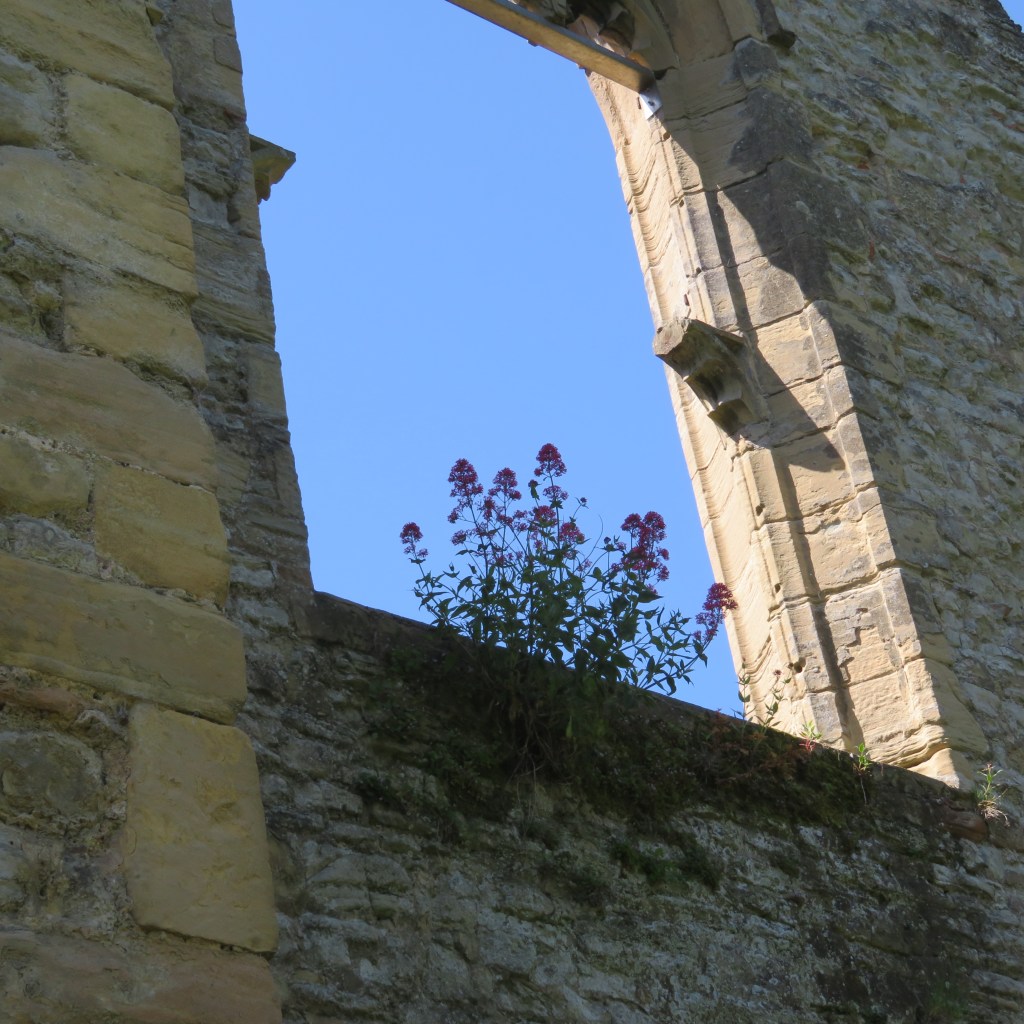
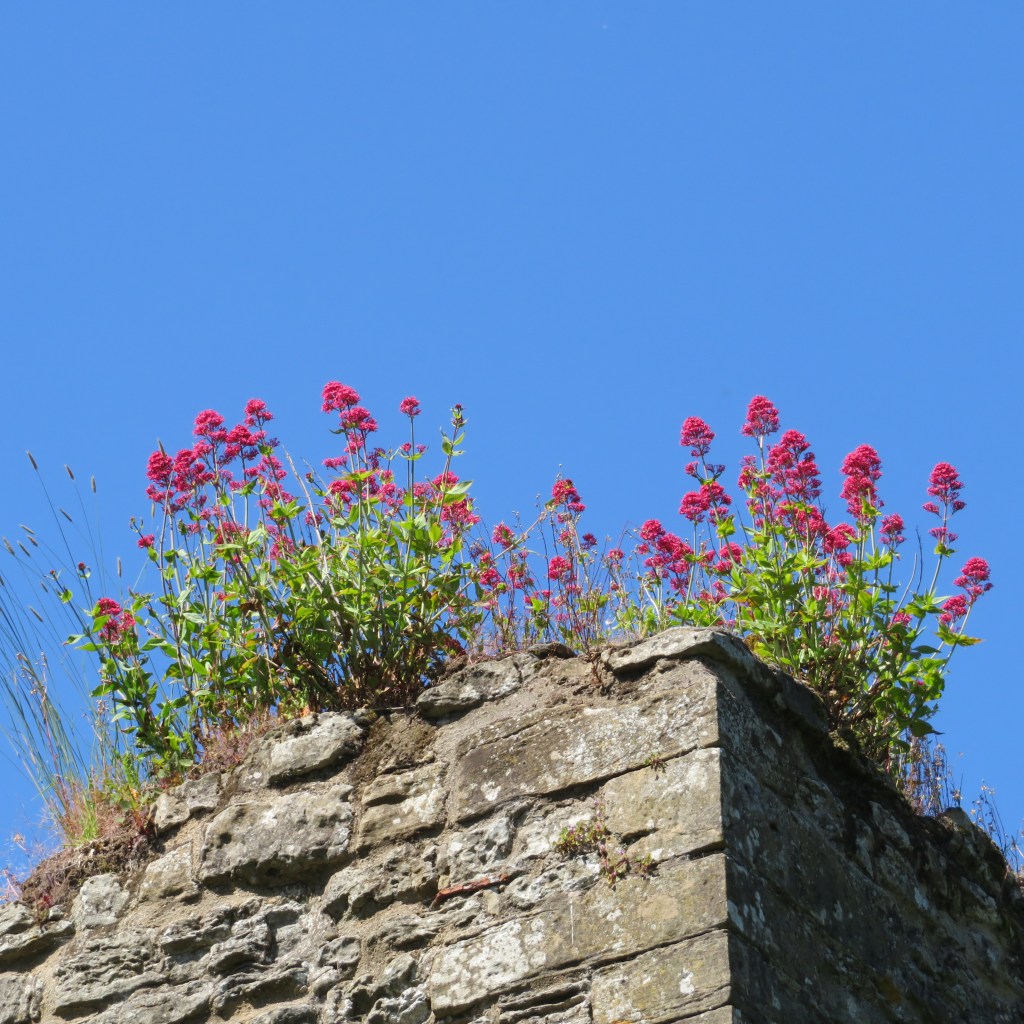
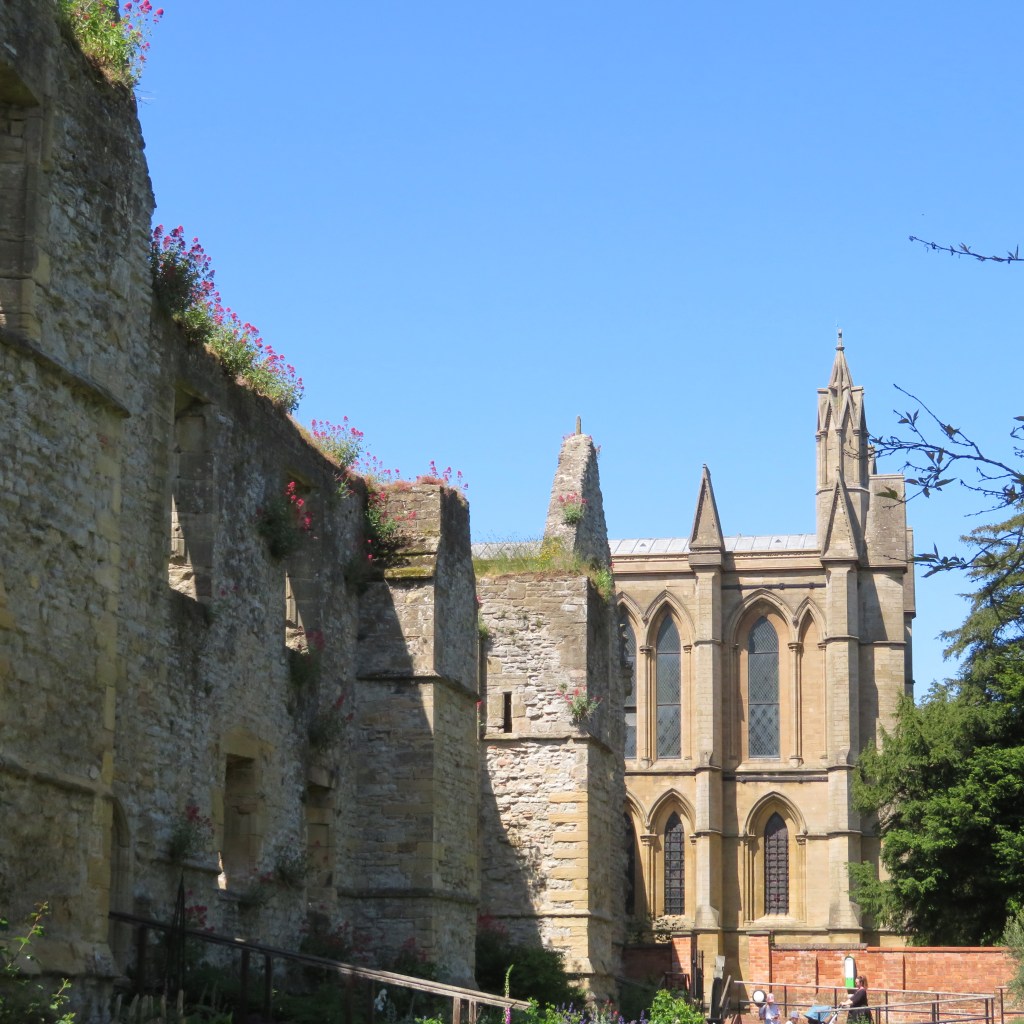
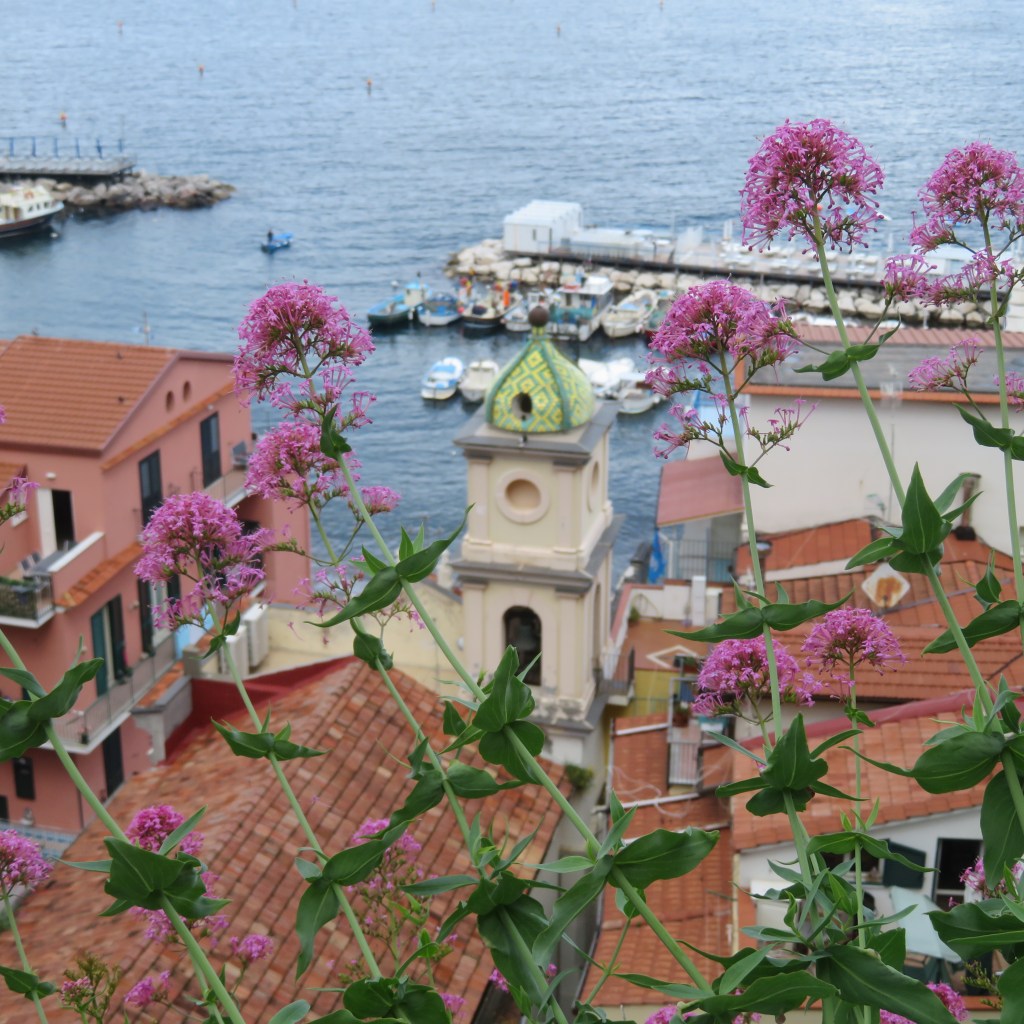
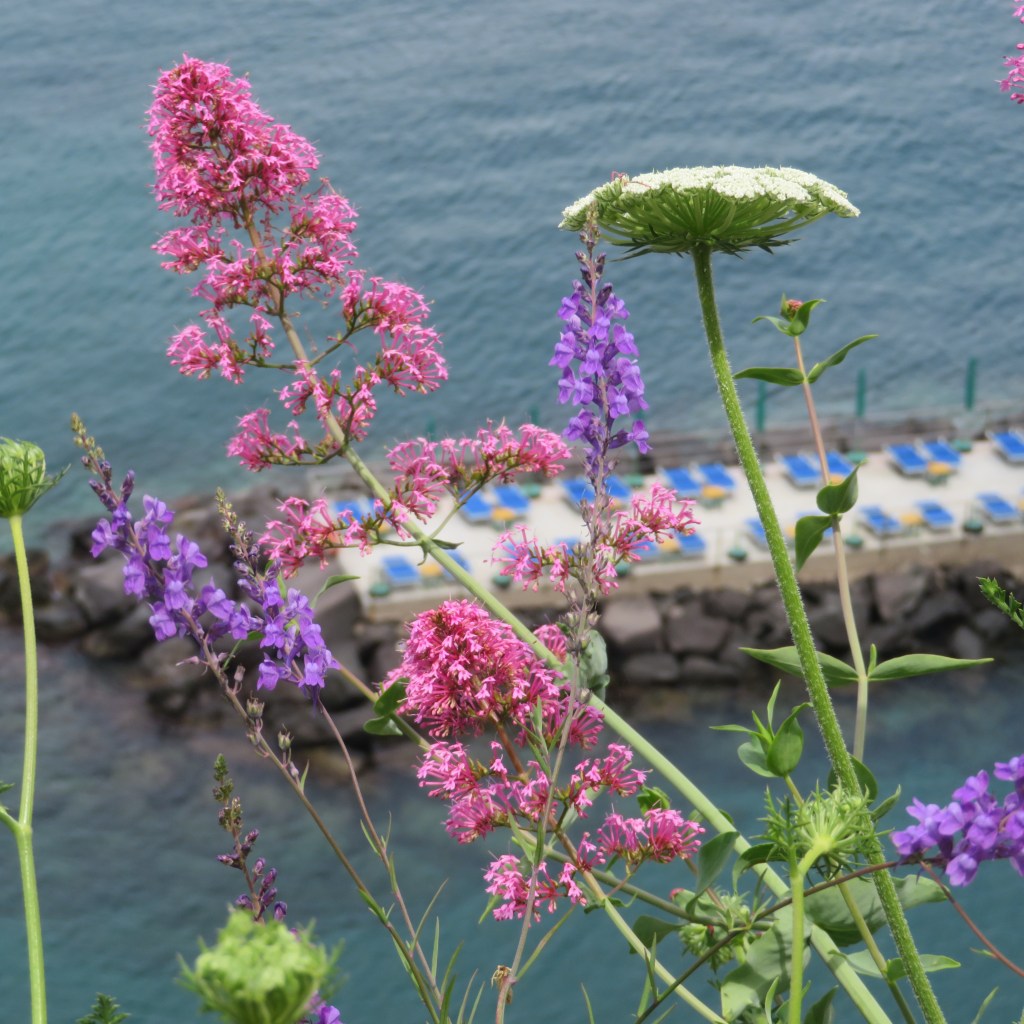
The plant this post (Part I) focuses on is the non-medicinal Centranthus ruber. It as the wild valerian plant we often come across along river verges, in churchyards, along railway tracks, on rocky cliffs, and on the walls of ancient stone ruins as it requires little to grow. Gardeners and plant nurserymen often call it the Red Valerian.
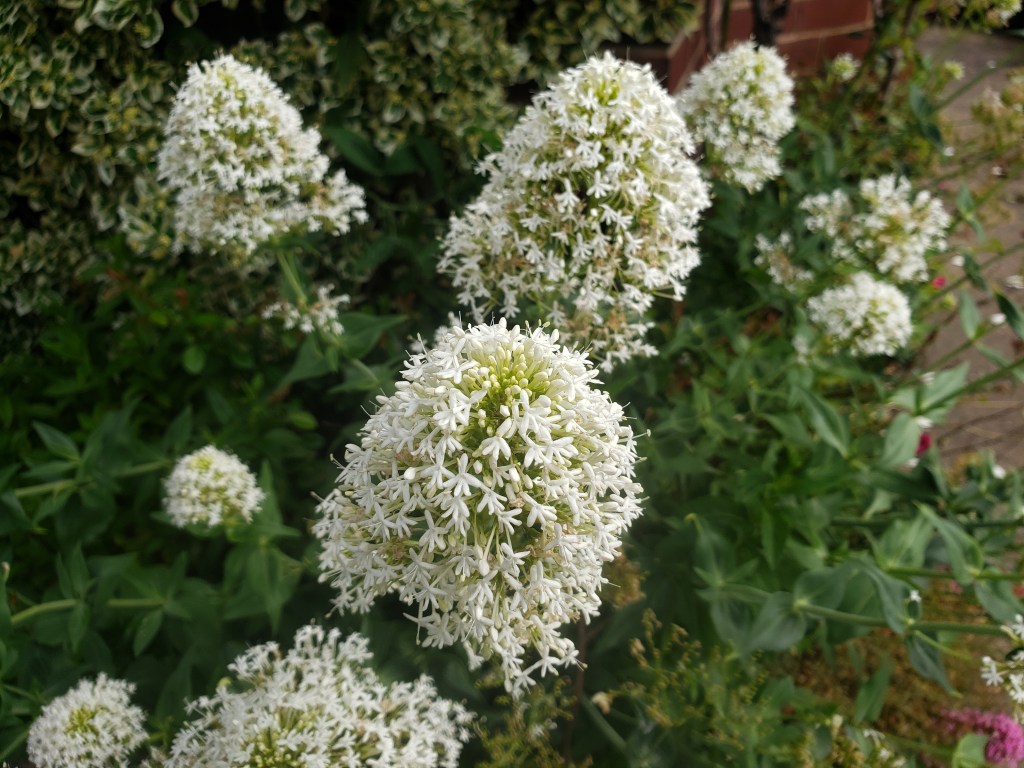
I am posting this because the red valerian is a prolific flower with amazingly showy crimson, white or pink blooms that burst out in spring and last almost all summer to the delight of ramblers and pollinating insects alike. Some call it a weed. I love them and I hope you do too. They may not be sold as medicine, but don’t the blooms generate inner peace, tranquillity, and joy? Just the medicine we need for sleep disorders, anxiety and low-spiritedness? A panacea to quieten the disturbed soul? Admired from a distance, it is free from side-effects.
Interestingly, the roots of both the medicinal valerian and this red valerian stink of dirty socks, some say of swine manure or rancid butter, when poorly stored due to the valeric acid and other short-chain fatty acids which they both contain. Link an alcohol to valeric acid and the resulting ester molecule takes on a fragrace useful for making cosmetics and fruit-flavoured foods. Valeric acid and similar acids are used to enhance the penetration of steroids across skin and to improve their efficacy (e.g., Betnovate). I had fun investigating these early in my career [see Yip YW, Li Wan Po A, Irwin WJ. Kinetics of decomposition and formulation of hydrocortisone butyrate in semiaqueous and gel systems. J Pharm Sci 1983;72:776-81, and Yip YW, Li Wan Po. The stability of betamethasone-17-valerate in semi-solid bases. J Pharm Pharmacol 1979;31:400-2.
Medicinal valerian (Valeriana officinalis) will be the subject of a separate post.
Photo Credit: ALWP CEBP. Photos taken in my garden in Nottingham, in Sorento on the Amalfi Coast, in Naples, along Beeston riverbank and Attenborough Park in Nottingham and at Southwell Minster in Derbyshire, UK.

 Medicine Trees
Leave a comment