#MedicineTrees #MedicinalHerbs #MedicinalPlants #HerbalMedicine #PlantMedicine #TakingLeadFromNature #Herbals #MedicinalPlantsAsFood #Artemisia #Artemisinin #Tarragon #Absinthe #Karela #MetatoneStrychnine #GinAndTonicHistory #BitteringAgents #Momordica #BitterMelon #BitterGourd #FromFoodToMedicine #Superfoods #Aperitifs #Aperitivo #Digestifs #HakkaChinese
Most plants consumed as medicines must have started their human odyssey as food. Their specific health benefits were recognised usually much later. Examples abound – citrus fruits and most green vegetables against scurvy, fibrous vegetables and grains as bulk laxatives, chillies and their hot capsaicin as analgesics, and most spices and aromatic herbs for seemingly all of man’s universe of ailments…
When I was a child, my mother, a Hakka Chinese, occasionally cooked a fragrant herb from our garden, turning it into an omelette which was then added to a broth to be eaten as a soup. It was delicious and it was only years later during my studies of drugs that I discovered it was an artemisia, a group (genus) of plants that includes artemisia annua, the source of the highly effective Nobel-Prize-winning antimalarial drug artemisinin (see my previous post) and French tarragon (Artemisia dracunculus) prized both in the kitchen and as a medicine.
A relative gave me a cutting of the perennial artemisia species commonly used as food by the Chinese, and it now grows vigorously in my garden (see photo). I identify it as Artemisia verlotiorum (Chinese mugwort), a species more strongly and pleasantly aromatic than artemisia vulgaris, the common mugwort. The leaf of my garden artemisia verlotiorum is more bitter than I remember it as a child but then, my mother used tender shoots probably lower in the bitter compounds (e.g., absinthin) for cooking, and we were also accustomed to eating bitter vegetables, notably the bitter melon (Momordicacharantia or bitter gourd). The Mormodica, more bitter than artemisia is readily available at Tesco, one of the main British supermarkets, and in many Asian food-stores. People from the Asian subcontinent enjoy it in curries, in omelettes and in stir-fries. The bitter melon is used as a folk medicine worldwide, most commonly for its supposed anti-diabetic effects. A quick search on Medline (the US National Library of Medicine database) identifies dozens of research papers studying this plant in 2023 alone, but I can find no well validated medicine from this research.
In Europe, the common mugwort is used as a bittering agent in various ales, as is Artemisia absinthium (common wormwood mentioned in Shakespeare’s Hamlet) which is used to make absinthe). It seems that there is nothing like a little bit of bitter to get the saliva running. Aperitivo or apéritif s’il vous plait, and digestifs too. The branded Metatone, sold as a tonic, used to have some strychnine, an alkaloid obtained from the plant Strychnos nux-vomica, added to give it a bitter taste. Quinine is an ingredient in tonic waters as is well known by those familiar with Churchill’s history of British India (see previous post by Professor Burguillo on the Cinchona bark in Facebook Group MedicineTrees).
Photo Credits: ALWP CEBP. All taken in my garden except the first at Southwell Abbey. Shown are Artemisia absinthium (Common wormwood, Photos 1 and 2), Artemisia annua (Sweet wormwood, Photo 3), Artemisia verlotiorum (Chinese mugwort, Photo 4), Artemisia vulgaris (Common mugwort or riverside wormwood, Photo 4), Momordicacharantia (Bitter melon, Photo 5)
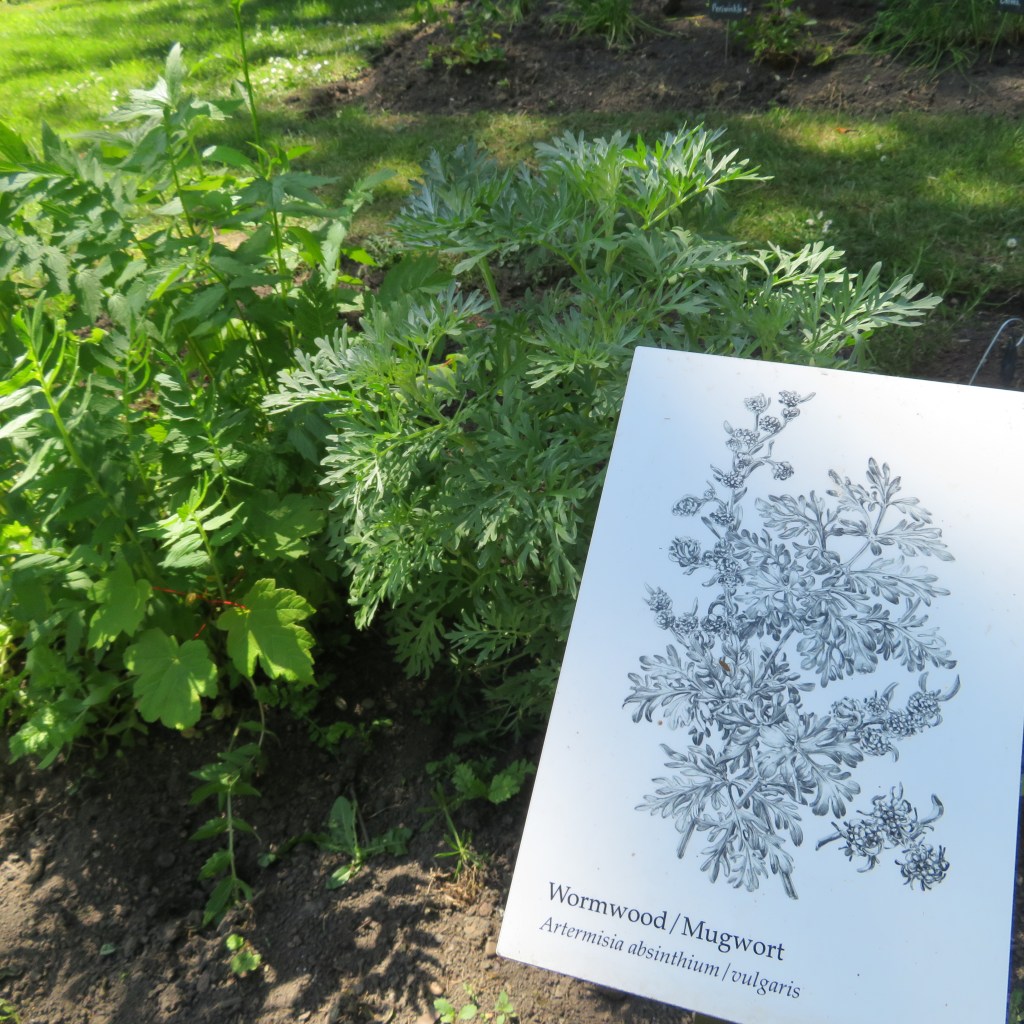
Artemisia absinthium
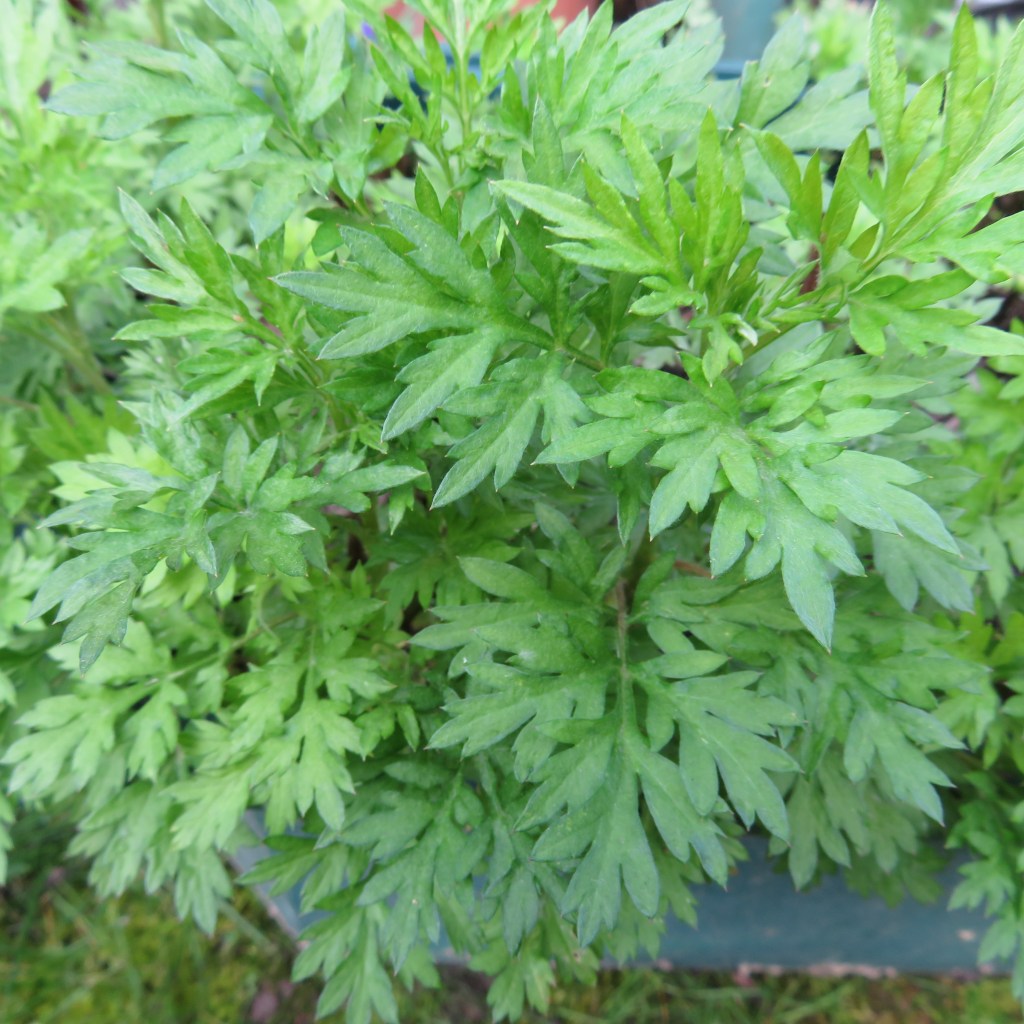
Artemisia absinthium
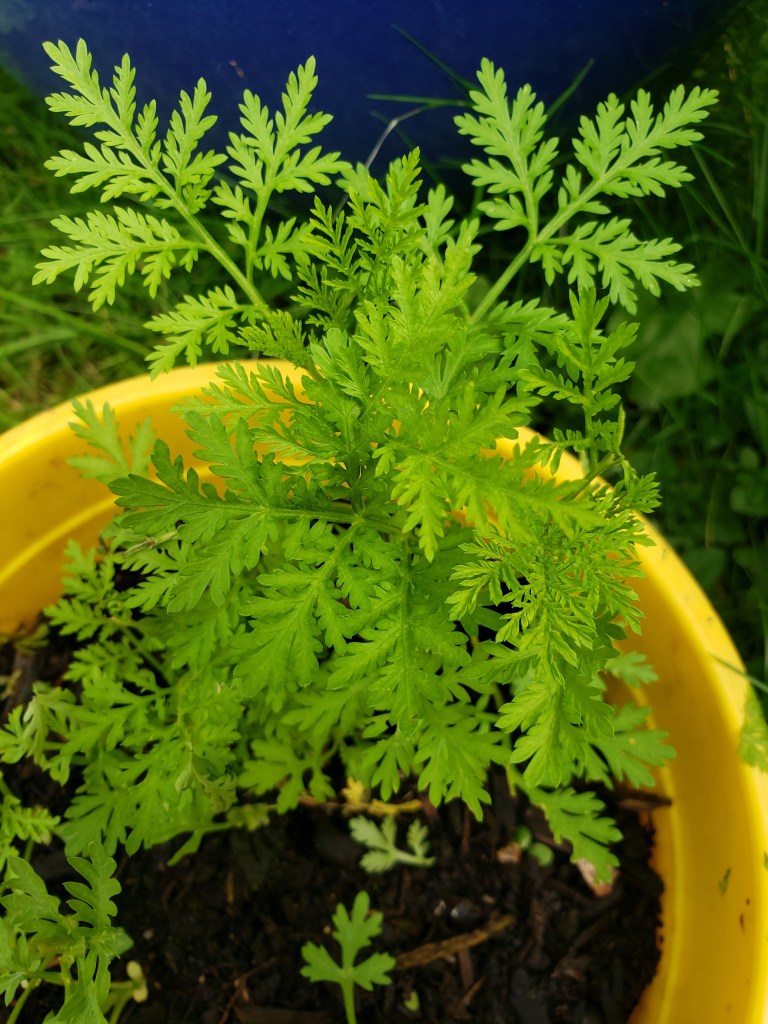
Artemisia annua
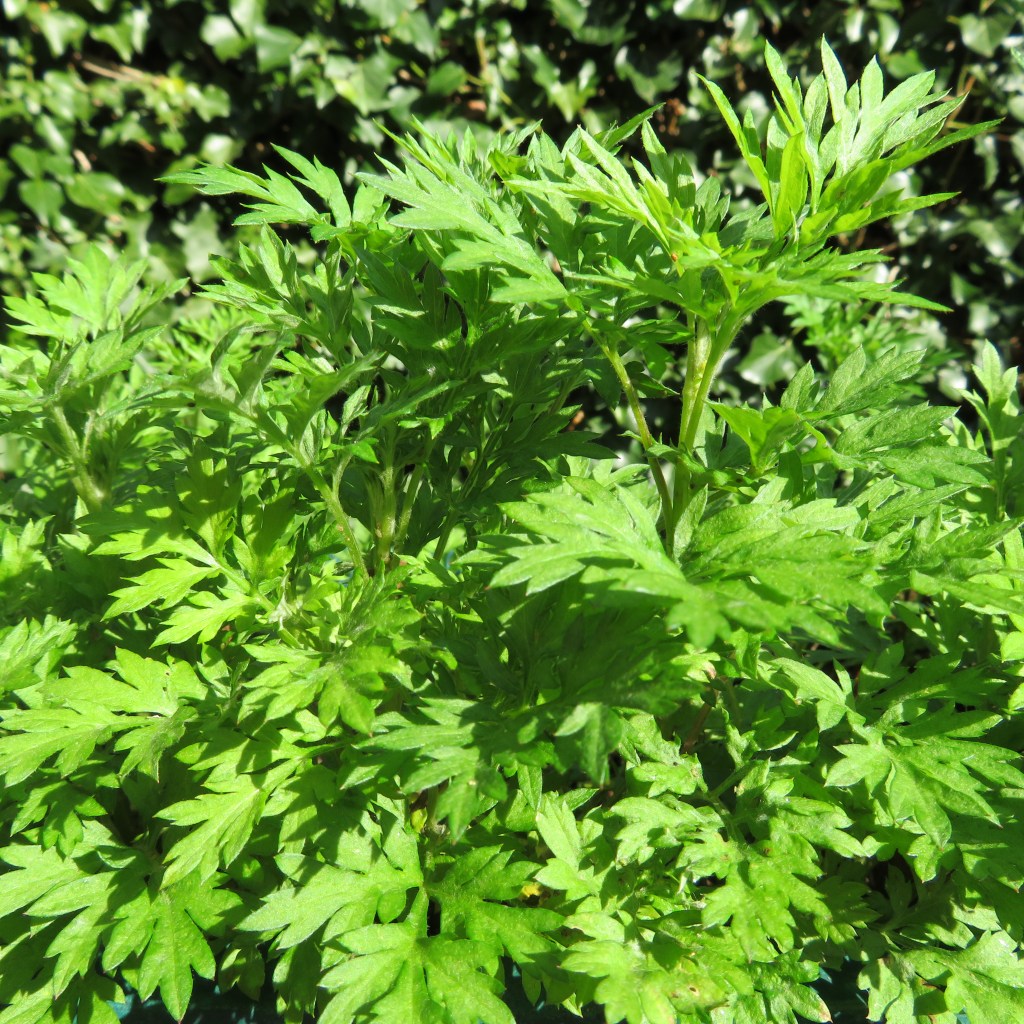
Artemisia verlotiorum
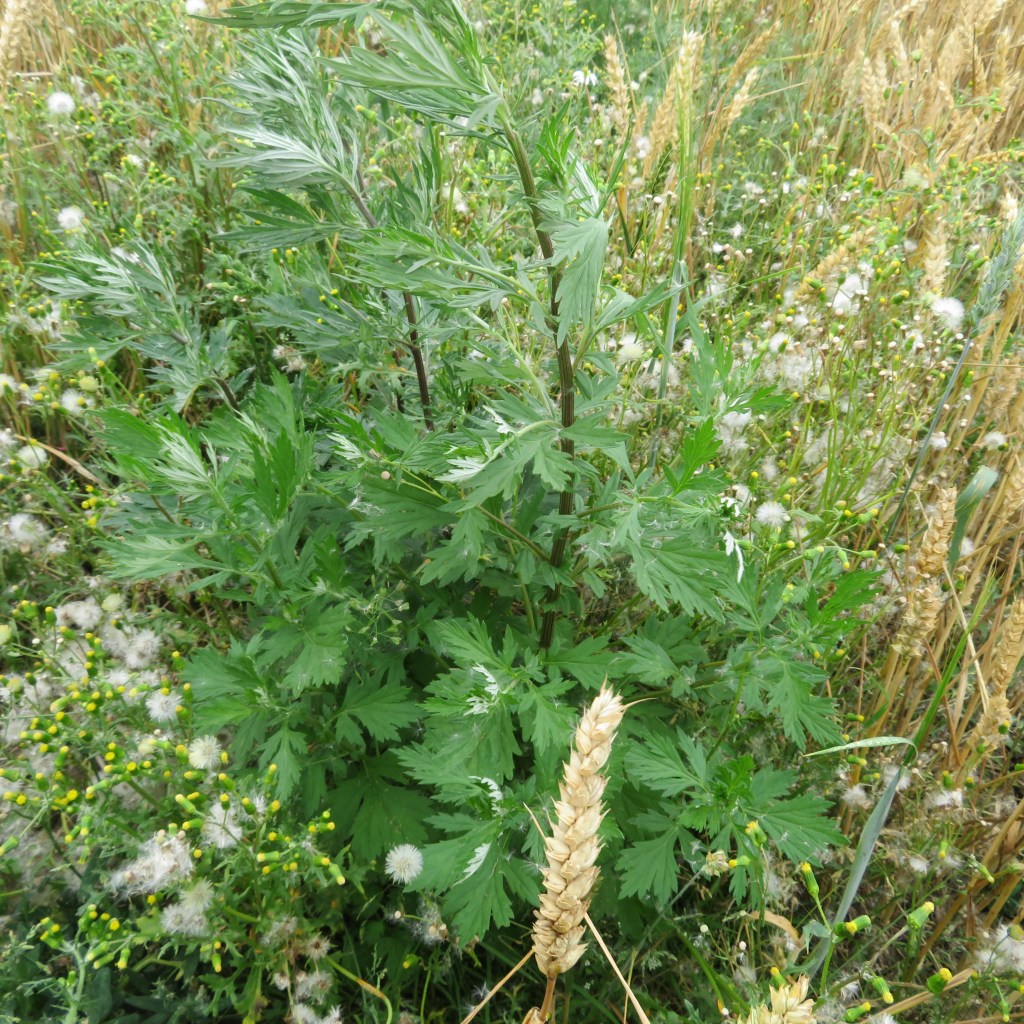
Artemisia vulgaris
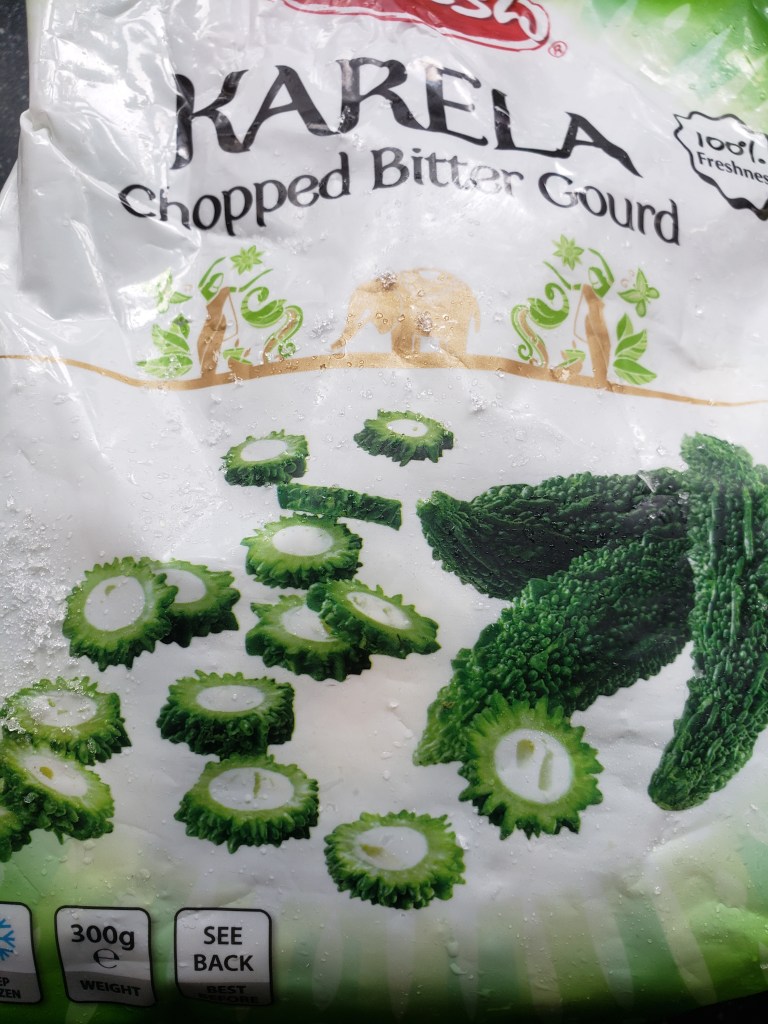
Supermarket Momordica charantia
 Medicine Trees
Leave a comment