#MedicineTrees #MedicinalHerbs #MedicinalPlants #HerbalMedicine #PlantMedicine #TakingLeadFromNature #Herbals #Saponins #SaponariaOfficinalis #Soapwort #VaccineAdjuvants #FrothingAgentsforBeers #FizzOfSoftDrinks #Fragrance #SoulTherapy #ShroudOfTurin #QuillajaSaponaria #Quillaia #Glycosides #OldFashionedSoaps#RomanSoap #COVID-19Vaccine #Saponaire
A happy childhood is the foundation for a happy adulthood. Or, as Aristotle claimed, ‘Give me a child until he is seven and I shall show you the man’.
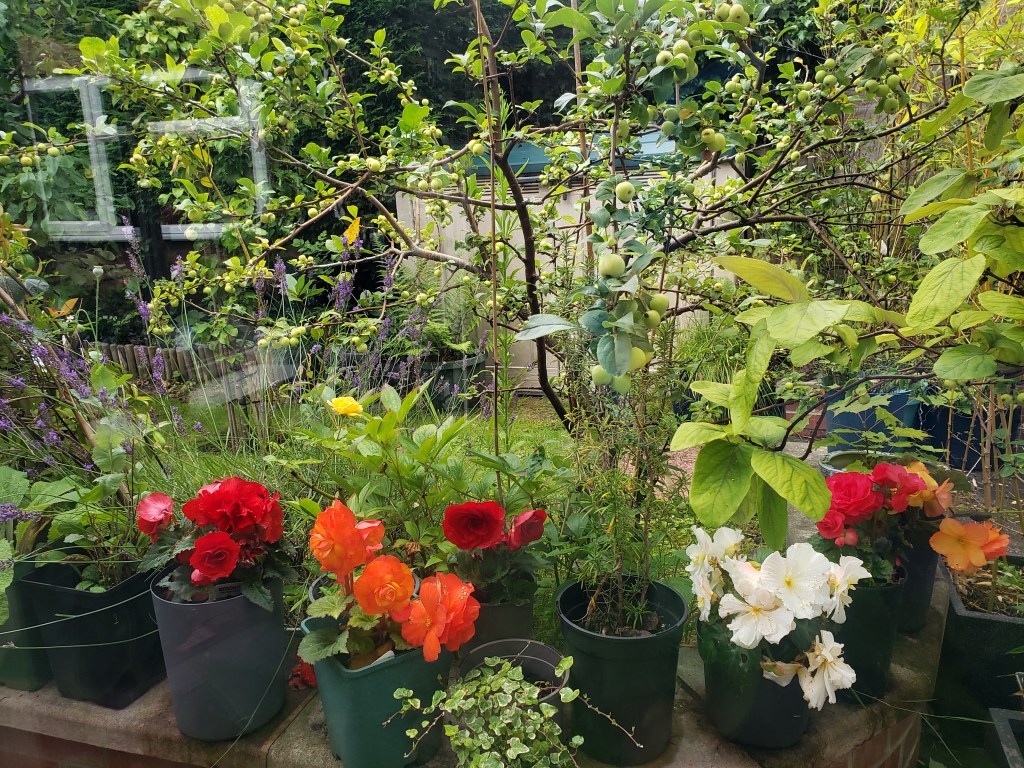
I was perhaps aged ten, a little beyond Aristotle’s seven, when I first discovered the fragrance of wildflowers. I had climbed up the Pouce (Thumb) mountain in Mauritius, in the company of some older children. When we reached the base of the thumb, the older and bolder children worked their way up the few hundred remaining metres of the stony peak. From atop, I still recall the mesmerising view of the harbour stretching into the vibrant blue Indian Ocean but even more memorable was the fragrance of the wild lily that grew there. I have, since then, always sought fragrant varieties of plants. A rose by any other name… needs to be fragrant. So, in my current garden, I have fragrant varieties of roses, begonias, clematis, … and of course the always scented Jasmin, Philadelphus, Daphne, Honeysuckle, and Lilac that serve as aromatherapy for the soul, usually self-administered in the early mornings or late evenings when for most scented plants the fragrance is most intense.
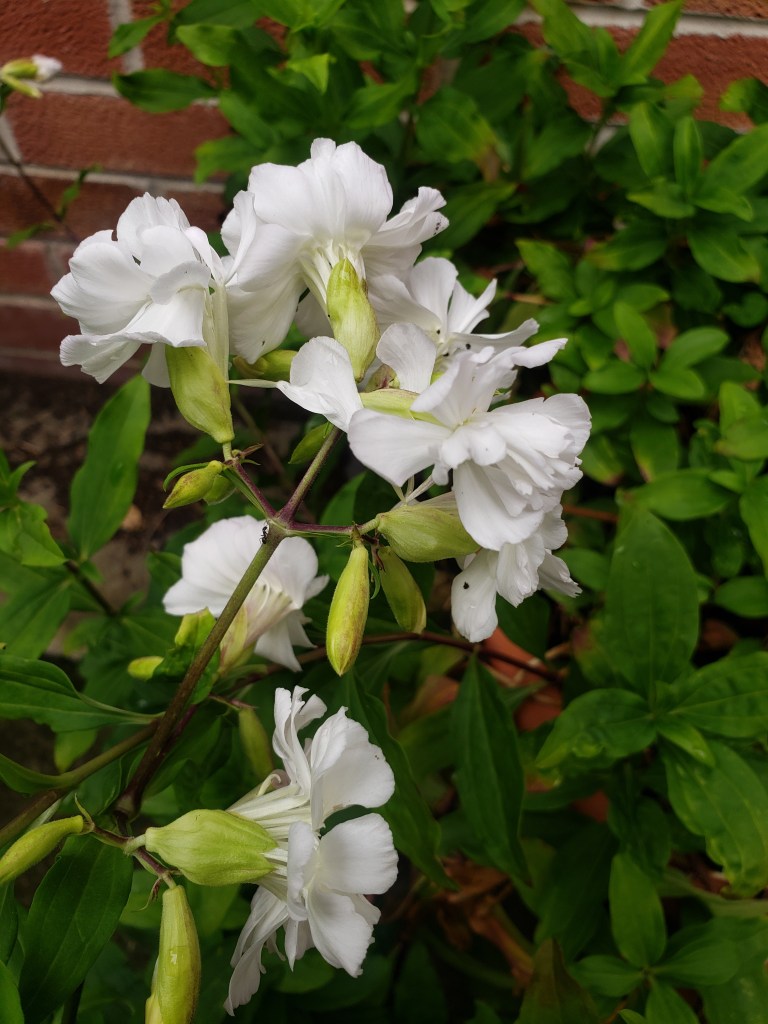
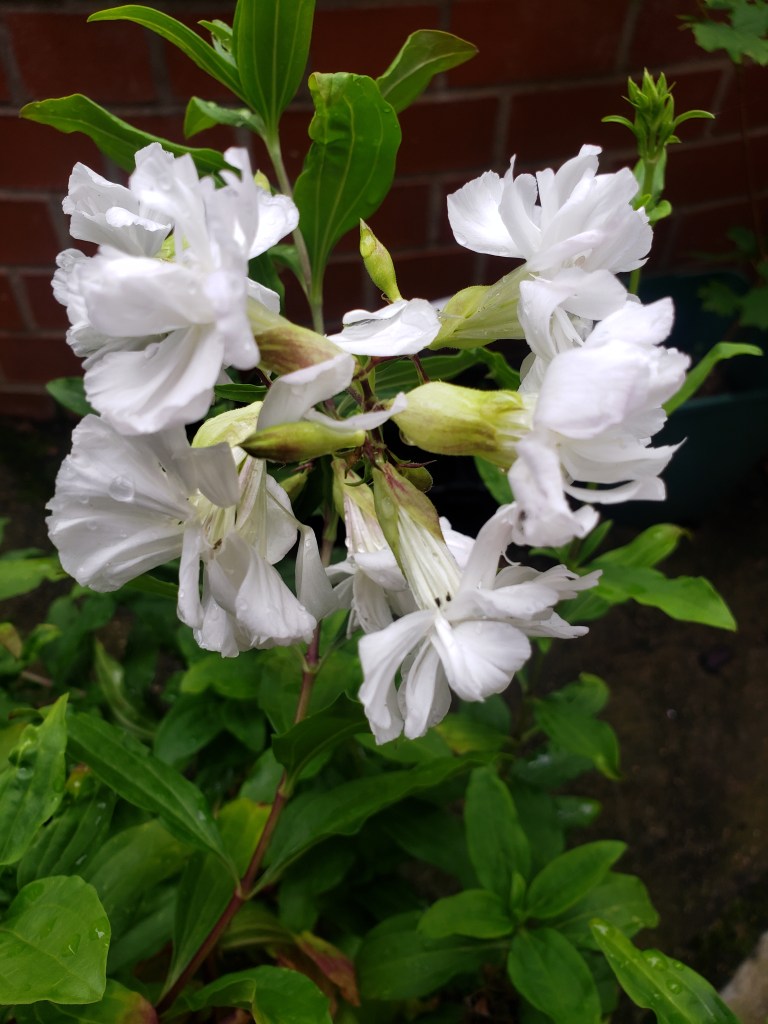
Today, I wish to showcase the Saponaria officinalis, particularly the Rosea plena variety (First two photos showing it in bloom in my garden on the last day of July 2023) whose fragrance I associate with the old-fashioned soap I used as a child, subtle, yet delightful.
Chemists who have dissected the fragrance report that it is largely composed of methyl benzoate admixed with a multitude of other fragrant molecules such as low-molecular-weight aldehydes also present in many species of fragrant Dianthus.
Saponaria officinalis has been used at least since Roman times as a soap (hence its name Sapon for soap and aria, pertaining to). The soapy substances obtained from the leaves, and more so from the roots, of Saponaria officinalis are molecules called saponins which are also present in some other plants such as the Quillaja Saponaria (Soapbark tree) and the liquorice (Glycyrrhiza glabra). Saponins are part of a wider class of compounds called glycosides which are found in plants such as the foxglove (see my previous post, cardiac glycosides), senna (sennosides, the active principle of the laxative) and ginseng (ginsenosides, claimed to be the active components of the prized root).
The saponins are widely used in the beverage industry (as frothing agents for beer and soft drinks including cola drinks to produce a good head and prolong their fizziness). Next time you down a pint and wonder why the froth stays for so long and cling so tenaciously to the glass, think saponins. These compounds are part of the formulation of many vaccines (to improve their stimulation of the immune response, an effect which immunologists and vaccine developers describe as an adjuvant effect. I once commented on this for the British Medical Journal when I was active in vaccine research; see Li Wan Po, A. Non-parenteral vaccines. BMJ 2004;329:62-3.). The recent COVID-19 vaccine from Novavax contains the soapbark tree saponin for precisely this effect. The Saponaria is thought to have been used in the washing of the Shroud of Turin and master restorers use the gentle saponin soap in their meticulous reconditioning of old paintings.
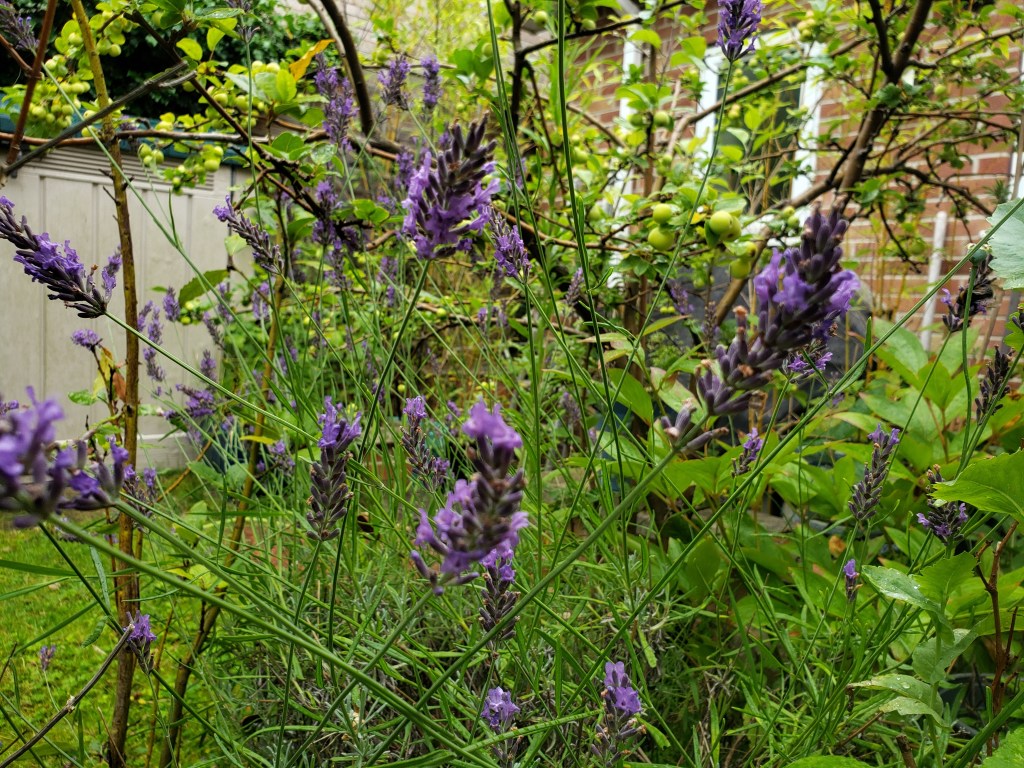
Photo credits: All ALWP/CEBP – Saponaria (first two photos) followed by various plants with nice fragrances.
 Medicine Trees
Leave a comment