#MedicineTrees #MedicinalHerbs #MedicinalPlants #HerbalMedicine #PlantMedicine #TakingLeadFromNature #Rudbeckia #Echinaceae #NativeAmercian #RudbeckiaMia #RudbeckiaMaya #CarlLinnaeus #Celsus #OlofRudbeck #UpsallaUniversity #PlantEtymology #BlackEyedSusans #ConeFlower #Aster
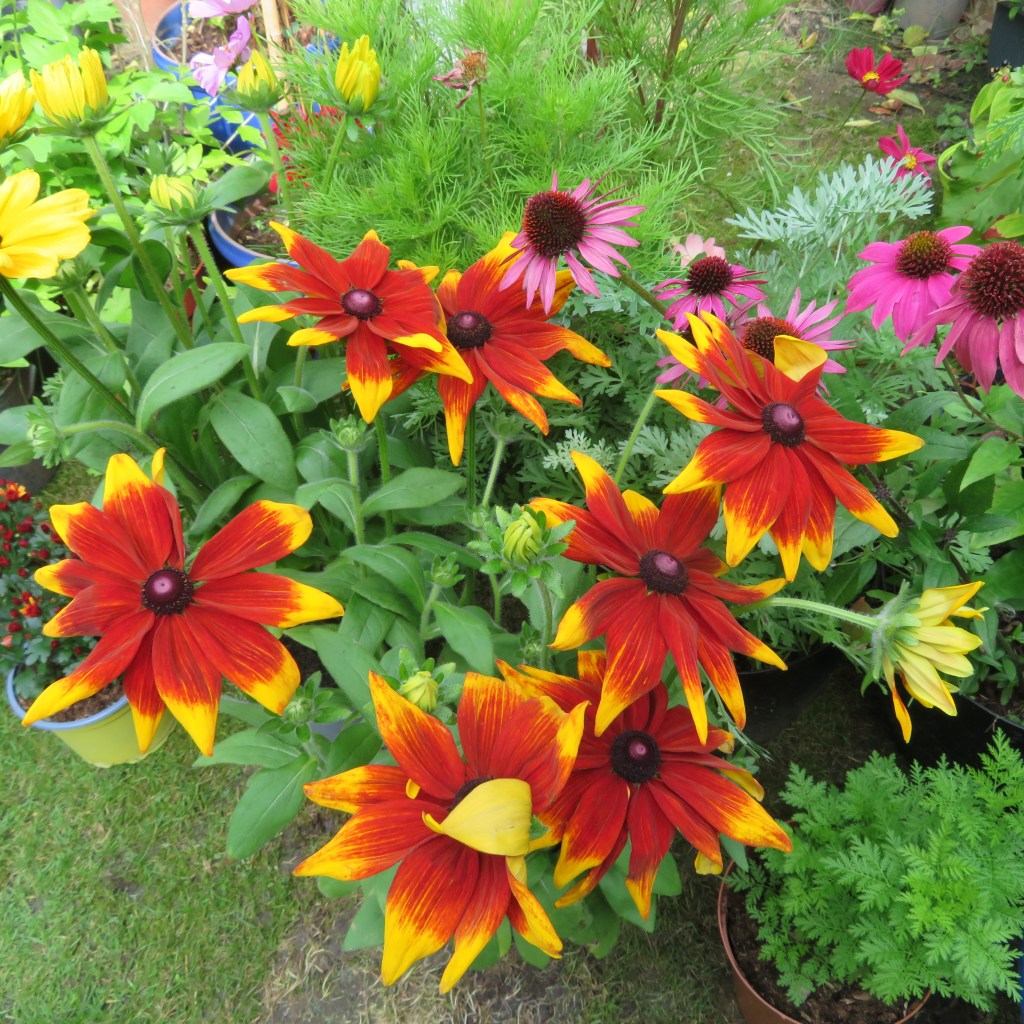
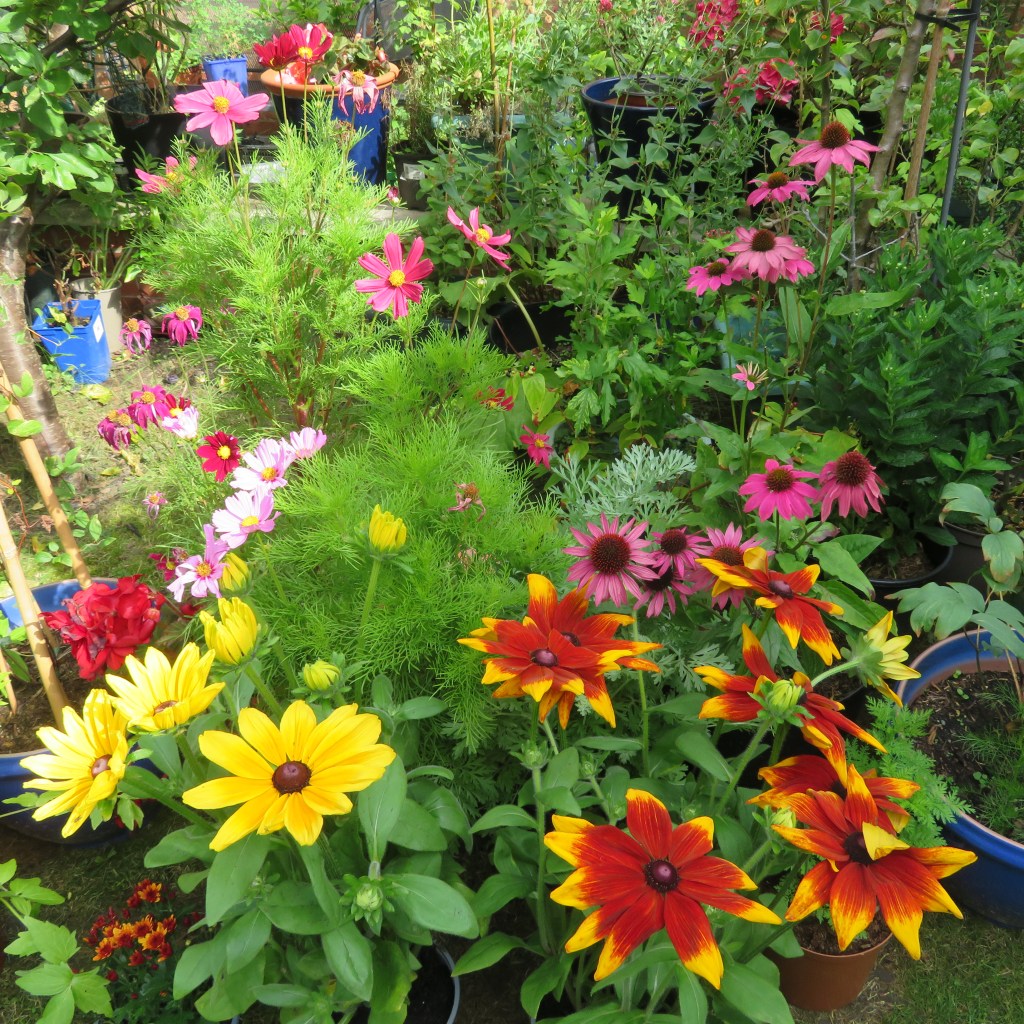
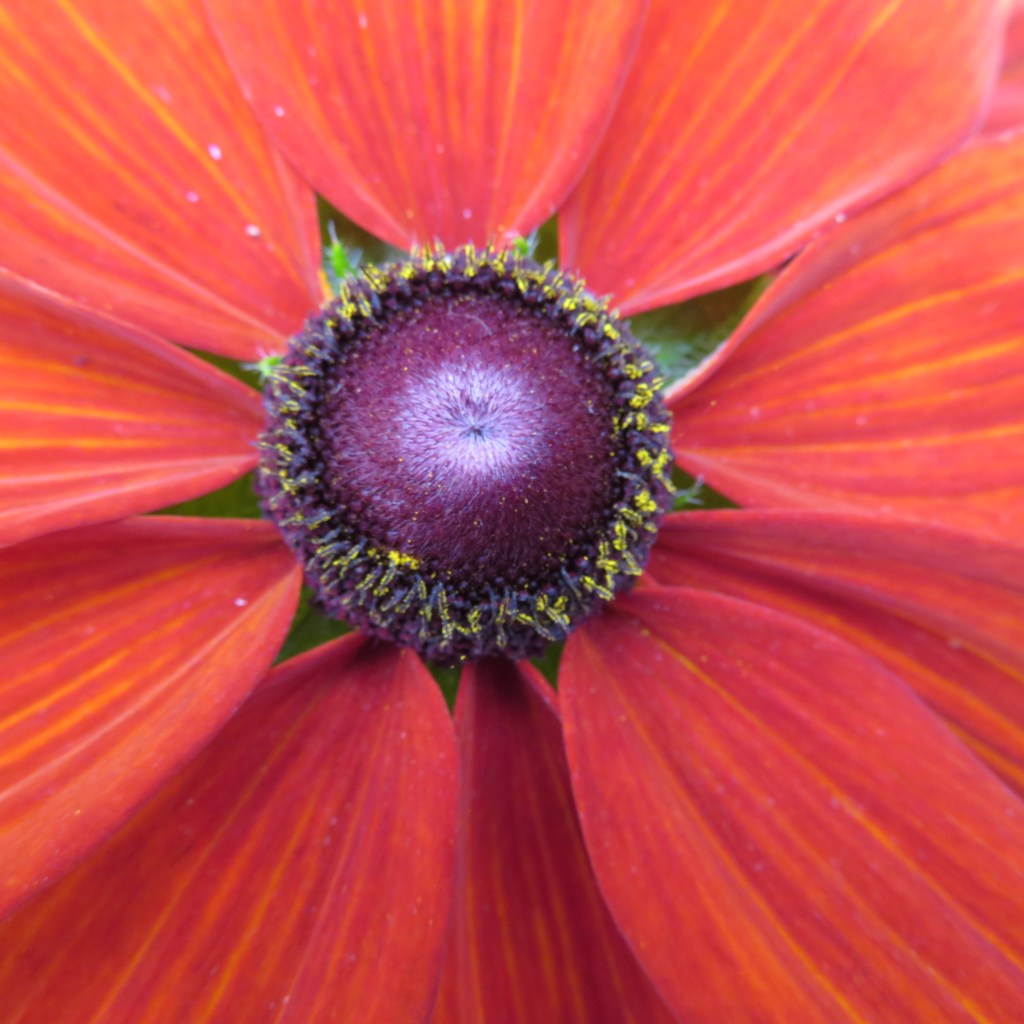
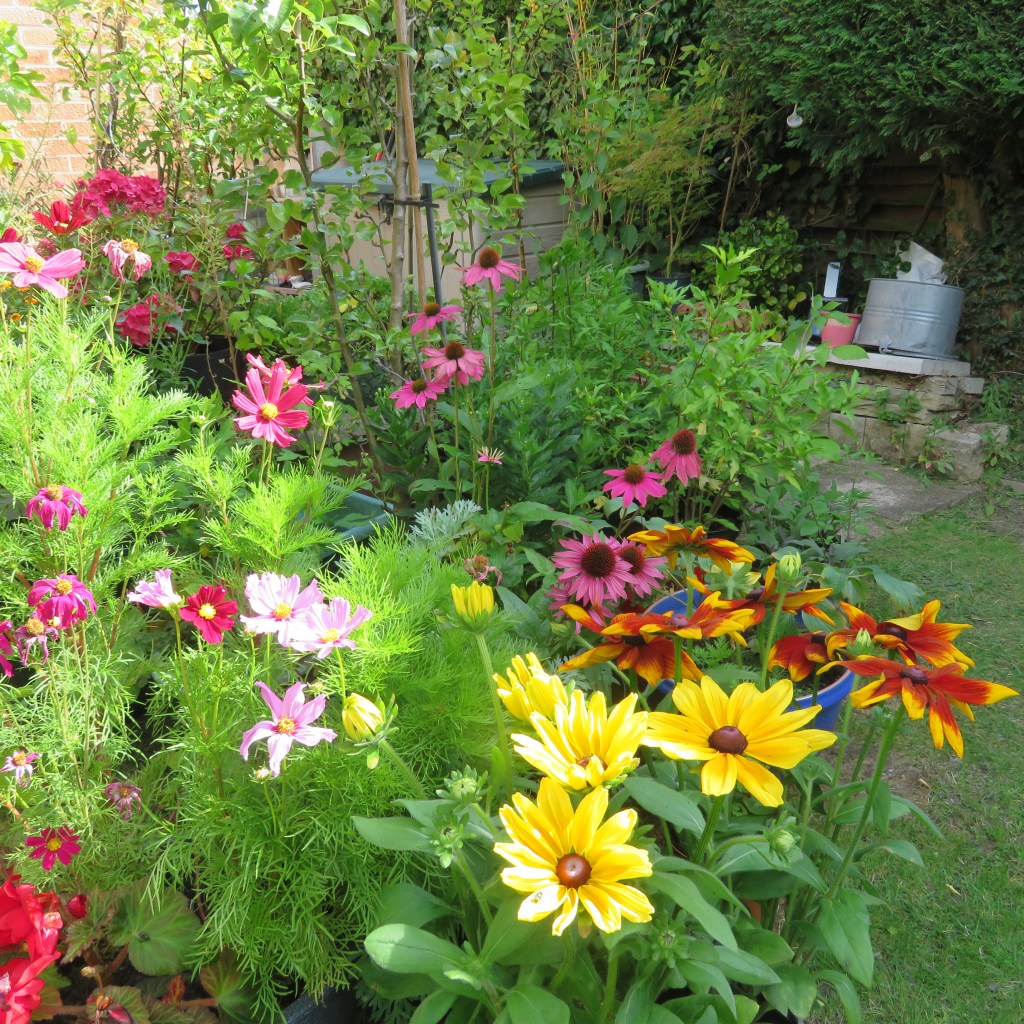
I often buy plants claimed to have medicinal value for my garden, just for interest. To study their leaves and how they grow. This summer, I treated myself to some Rudbeckia (Asteraceae family) not for this but to add more colour with their prolific and large showy flowers that last all summer long and well into the autumn.
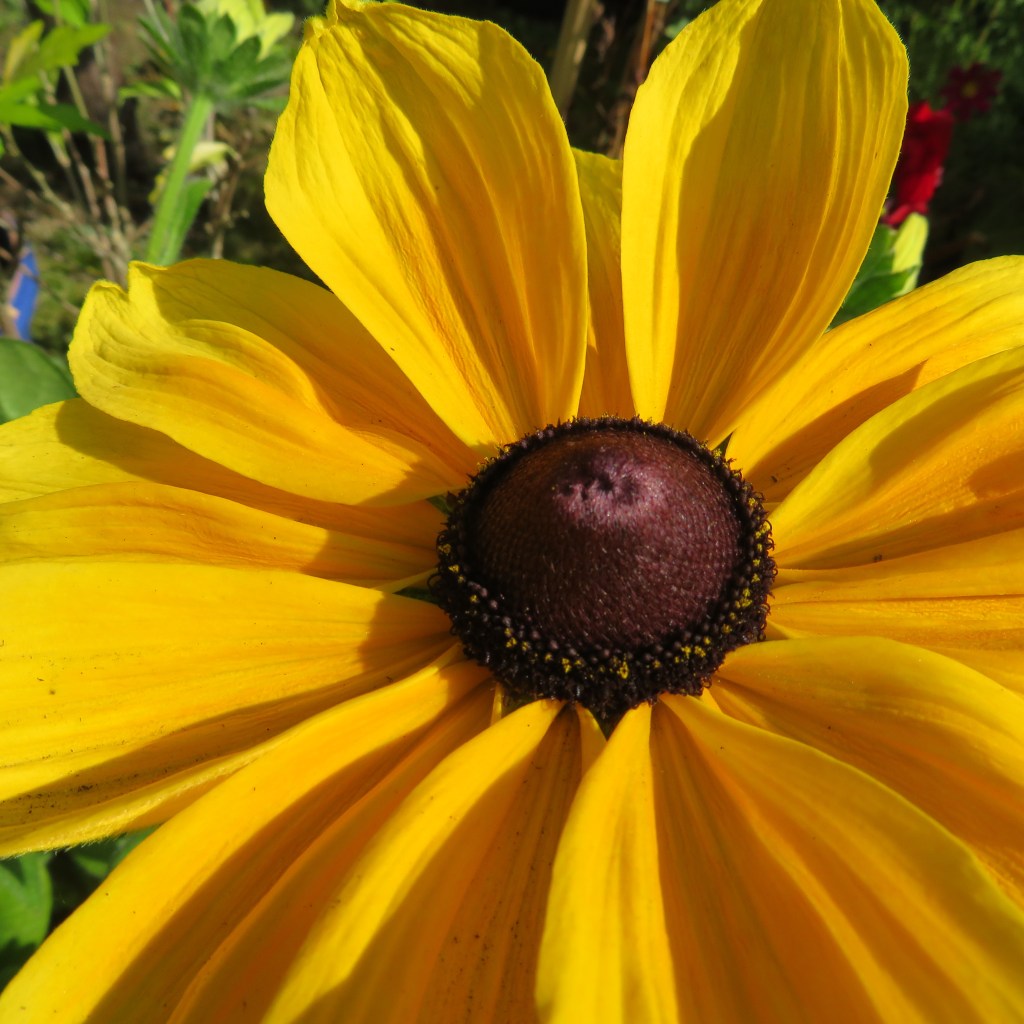
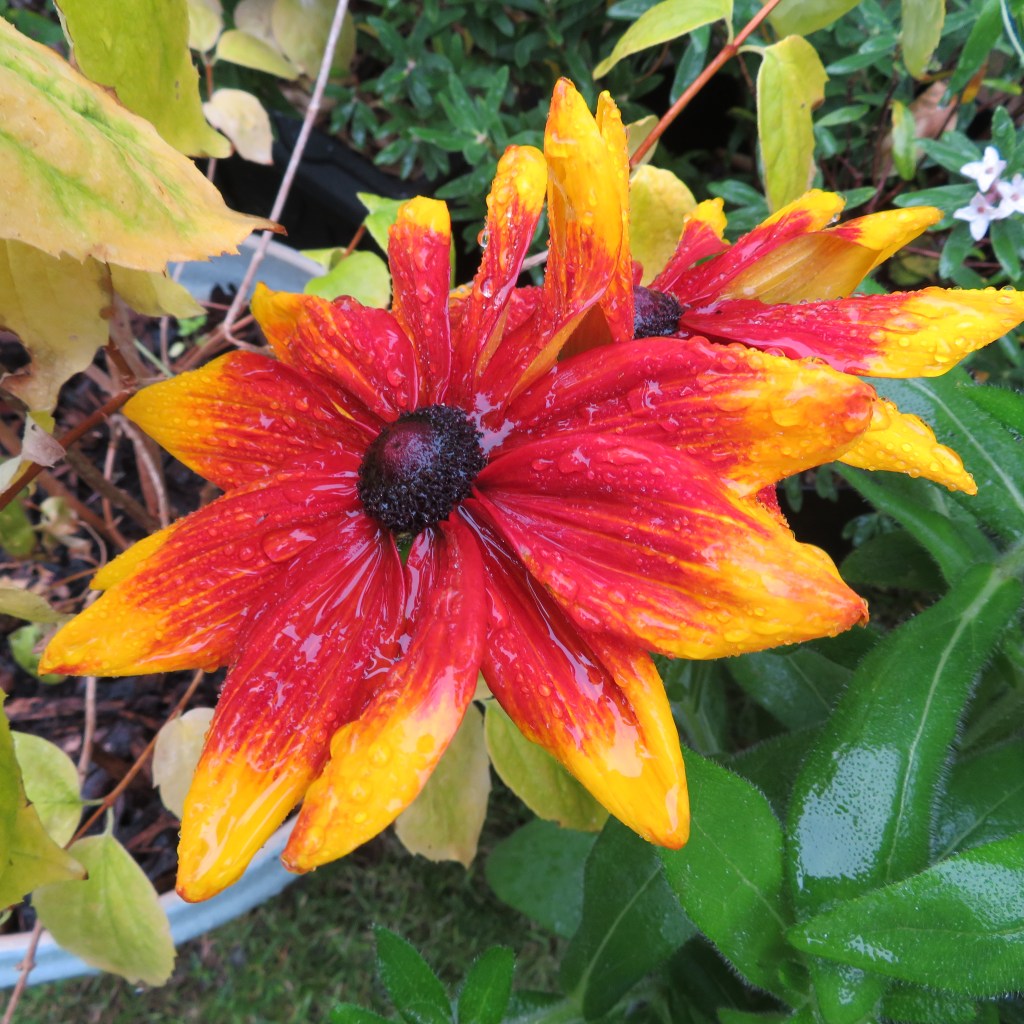
Although the rudbeckias, also known as cone flowers or black-eyed-Susans, are less widely used as medicine than their cousins, the Echinaceae, they were/are used by various Native North Americans, particularly the Cherokees and the Iroquois, for various ailments and as a vegetable.[i]
I find the Rudbeckia particularly interesting because of its etymology, a name first coined by Carl Linnaeus (1707 – 1778), without doubt our most celebrated botanist.
Olof Celsius (1670-1756), uncle to the famous Elders Celsus who gave us the Centigrade or Celsus scale, was a botany professor at Uppsala University in Sweden when he introduced Linnaeus, his young and impoverished tutee, to Olof Rudbeck (1660 – 1740), rector of the University. Rudbeck recognised Linnaeus ability and took an immediate liking to him, appointing him, his deputy lecturer and botanical garden demonstrator while he was still in his second year of studies, then tutor to his children, and eventually as his successor.
Linnaeus showed his gratitude to Rudbeck by choosing a plant to name after him. The care he took in his choice is evident:
So long as the earth shall survive and as each spring shall see it covered with flowers, the Rudbeckia will preserve your glorious name. I have chosen a noble plant to recall your merits and the services you have rendered, a tall one to give an idea of your stature, and I wanted it to be one which branched, flowered, and fruited freely, to show that you cultivated not only the sciences but also the humanities. Its rayed flowers will bear witness that you shone among savants like the sun among the stars; its perennial roots will remind us that each year sees you live again through new works. Pride of our gardens, the Rudbeckia will be cultivated throughout Europe and in distant lands where your revered name must long have been known. Accept this plant, not for what it is but for what it will become when it bears your name.
Whose heart would not be warmed by such eloquence? Whose soul would not be soothed by walking along a border full of Rudbeckia in the soft evening sun after a hard day’s work?
‘In spring when the bright sun comes nearer to our zenith … See how all creatures become lively and gay, see how every bird bursts into song. See how all the plants push through the soils and how all the trees break into leaf? Why even into man himself new life seems to enter. … Yes, Love comes even to the plants’,[ii] wrote Linnaeus.
And the connections between Celsus, Linnaeus and ABBA? They are all famous Swedes that have raised the admiration of their generations and for Linnaeus well beyond as his binary system of naming plants is still the one used today.
Photo Credits: Author’s photos ALWP CEBP
[i] Moerman DE. Native American ethnobotany. Portland, Oregon: Timber Press; 1998.
[ii] My abbreviation of a longer text cited in Blunt W. The compleat naturalist; a life of Linnaeus. New York: Viking Press; 1971.
 Medicine Trees
Leave a comment