Background – Microorganisms mutate
Following the COVID-19 pandemic, everyone is aware that viruses mutate to produce new variants which may become more dangerous because of increased infectivity or pathogenicity. Therefore, constant surveillance is necessary and new vaccines formulated as boosters against new mutants. Everyone also knows that timely testing is important to detect new infections so that timely control measures can applied. Both the vaccines and the rapid tests we have become so familiar with are based on targeting specific viral proteins. With mutation, both the vaccines and the tests may no longer work because of the different proteins presented by the altered virus.
What is perhaps less well known is that all infective micro-organisms (bacteria and parasites, and I include viruses here) mutate leading to both drug-resistance and failure of rapid protein (antigen) tests. This is what has just been reported (28 September 2023) for malaria, this ancient disease that still infects millions of people and kills hundreds of thousands each year. The ancient Chinese and the Greeks also knew of it and an antigen test recently identified its remains in a millennia-old Egyptian mummy. That the disease still kills so many attests to the resilience of the mutating parasite despite over a century’s effort by the pharmaceutical industry to improve on the Cinchona bark (Please see previous post by Professor Burguillo on it).
The New Findings
Resistance to artemisinin and its derivatives have been known for many years and for this reason, artemisinin compounds are recommended only as combination products with a partner synthetic drug such as lumefantrine and amodiaquine. The recent study found that in addition to a new resistance-conferring mutation, a new mutation led to the most widely used Rapid Diagnostic Test (RDT) giving false-negative results. The target malaria protein (HRP) is modified such that it no longer reacts with the antibody in the test.
The Implications
People harbouring the mutated malaria parasite no longer test positive and treatment may not only be delayed but also ineffective when given. Those visiting malarious areas where the mutation is prevalent should seek alternative tests such as one based on the parasite’s lactate dehydrogenase if they have persistent symptoms of malaria such as fever, chills, and headaches.
If you have liked this post, please forward it on to your Facebook friends by pressing on the Share button and invite your friends to join. Who knows, with increasing world travel you may help them avoid a serious illness and in any case appreciate the wonder of medicines originating from plants. Thank you.
#MedicineTrees #MedicinalPlants #Herbal #NaturalMedicine #Botanical #PlantMedicines #ChineseTraditionalMedicine #TCM #Malaria #Absinthe #Artemether #ChineseHerbs #MalariaResistance #ArtemisiaAnnua @MedicineTrees2023 #Antimalarials #RapidMalariaTest #MalariaTestFailure
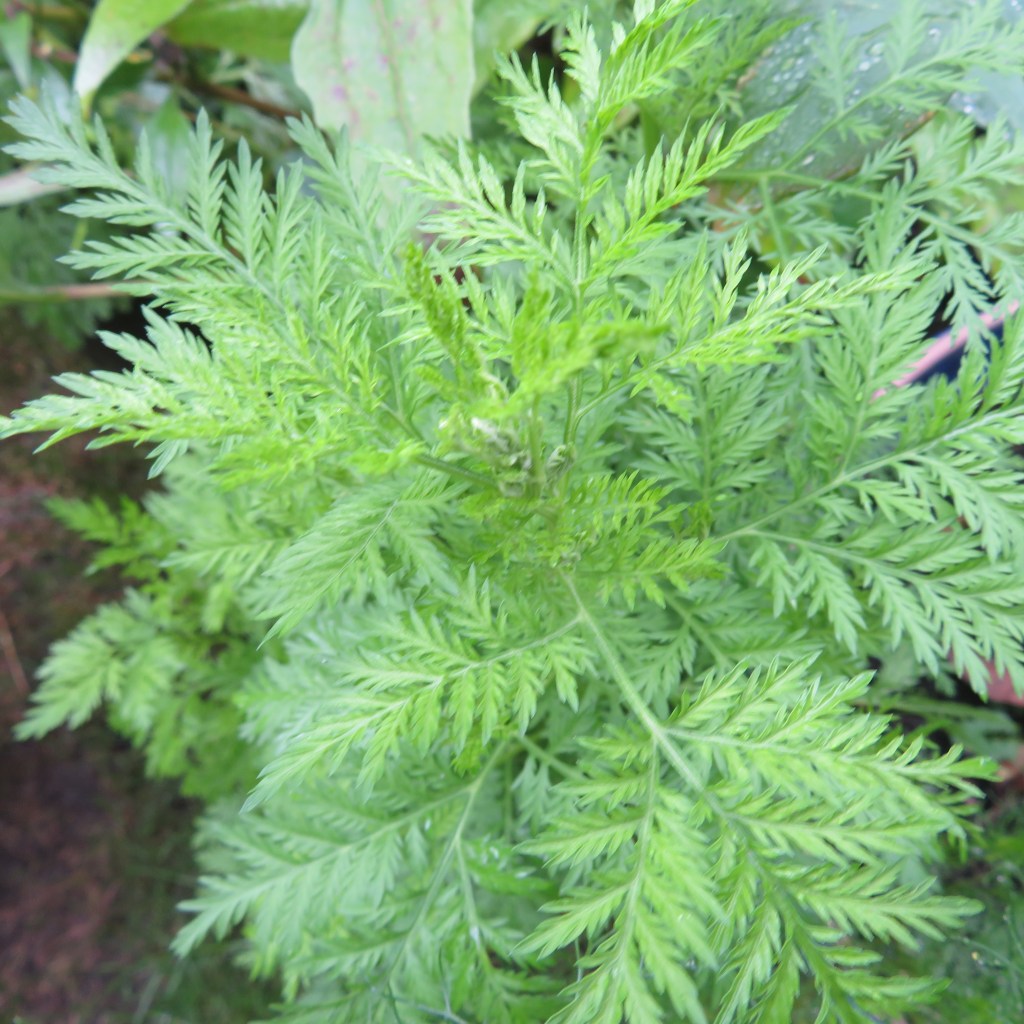
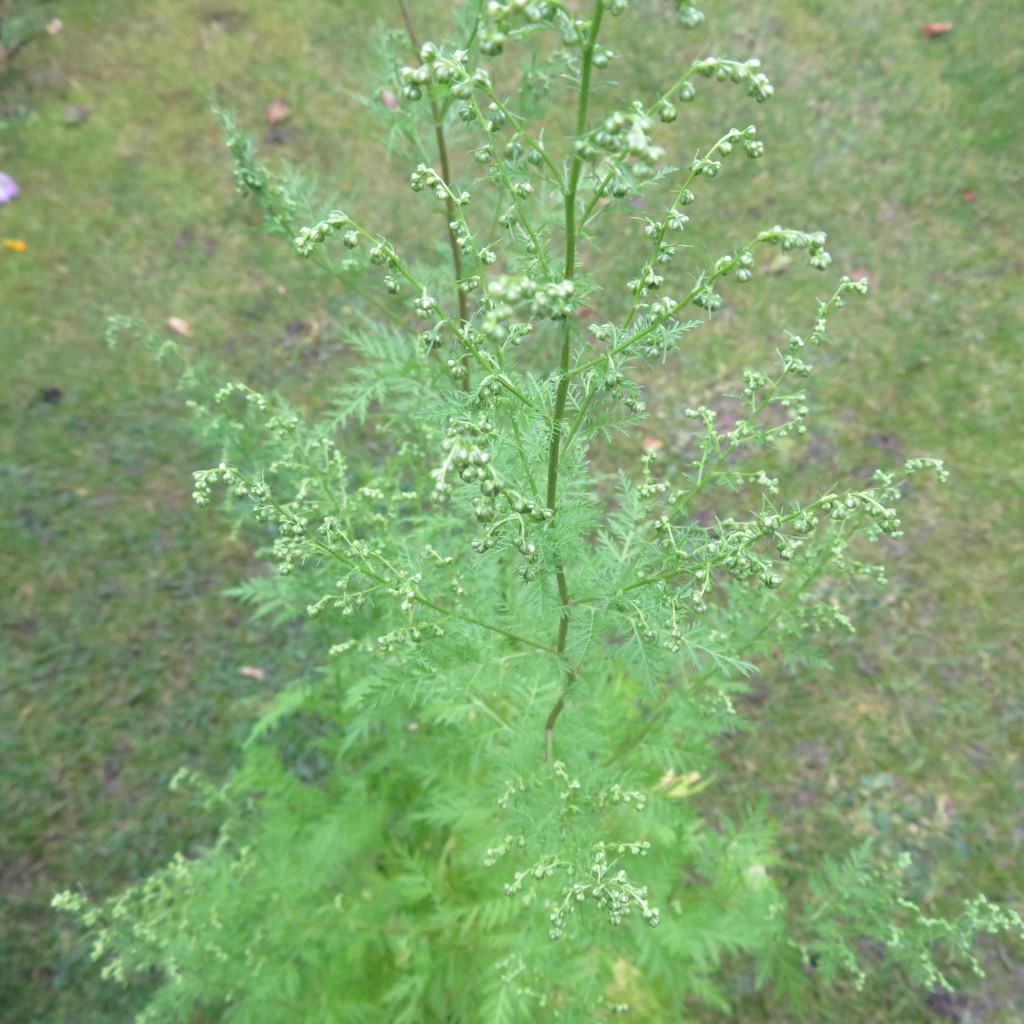
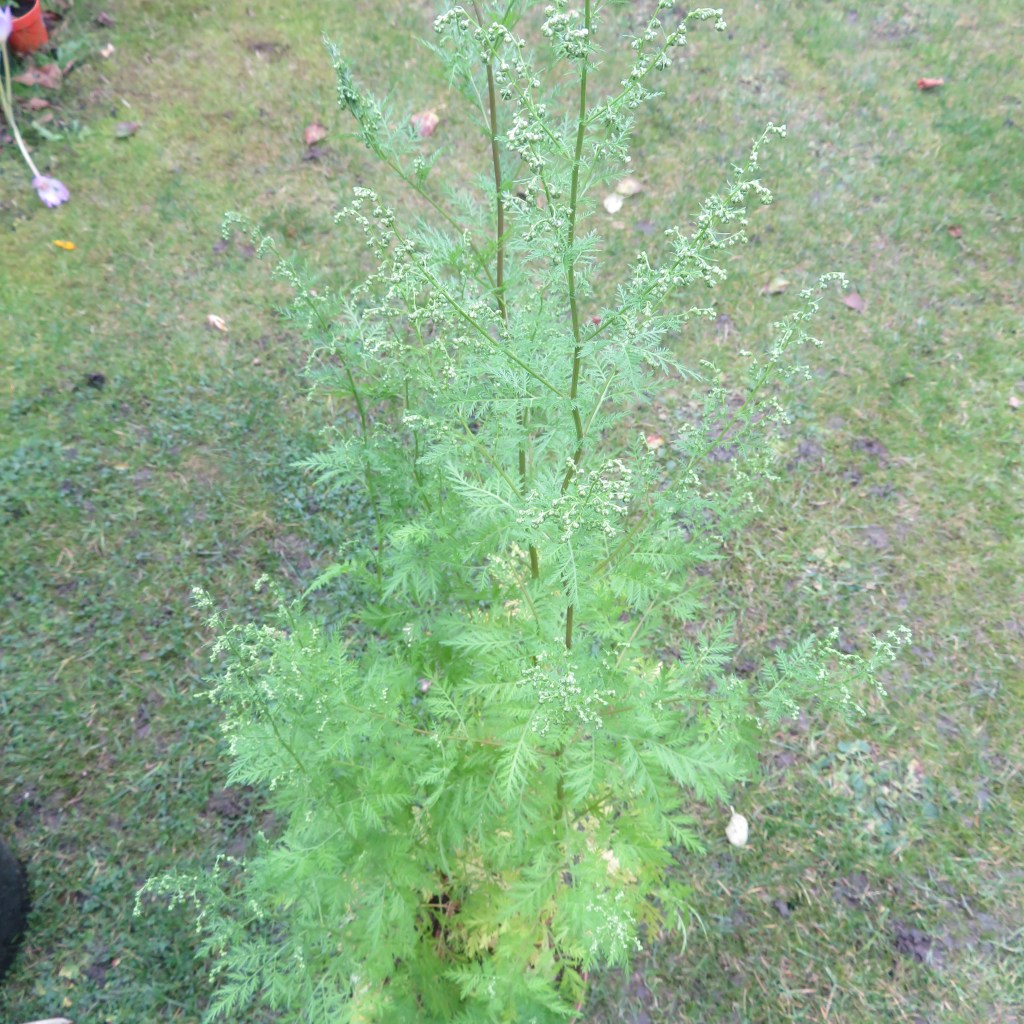
Photo credit – ALWP CEBP – A healthy specimen of Artemisia annua growing in my garden in September 2023.
For the previous posts on artemisia, please see:
Part 1 Wormwood (Artemisia absinthium) – Part 1 Hamlet and a treasure at Salamanca University
Part 2 Nobel Prize Winning Artemisinin out of the Vietnam War
Further Reading:
1. Mihreteab S, Platon L, Berhane A, et al. Increasing Prevalence of Artemisinin-Resistant HRP2-Negative Malaria in Eritrea. New England Journal of Medicine 2023;389:1191-202.
2. Greenwood B. Artemisinin-Resistant and HRP-Negative Malaria Parasites in Africa. New England Journal of Medicine 2023;389:1162-4.

 Medicine Trees
Leave a comment