How I discovered Shakespeare’s aphrodisiac
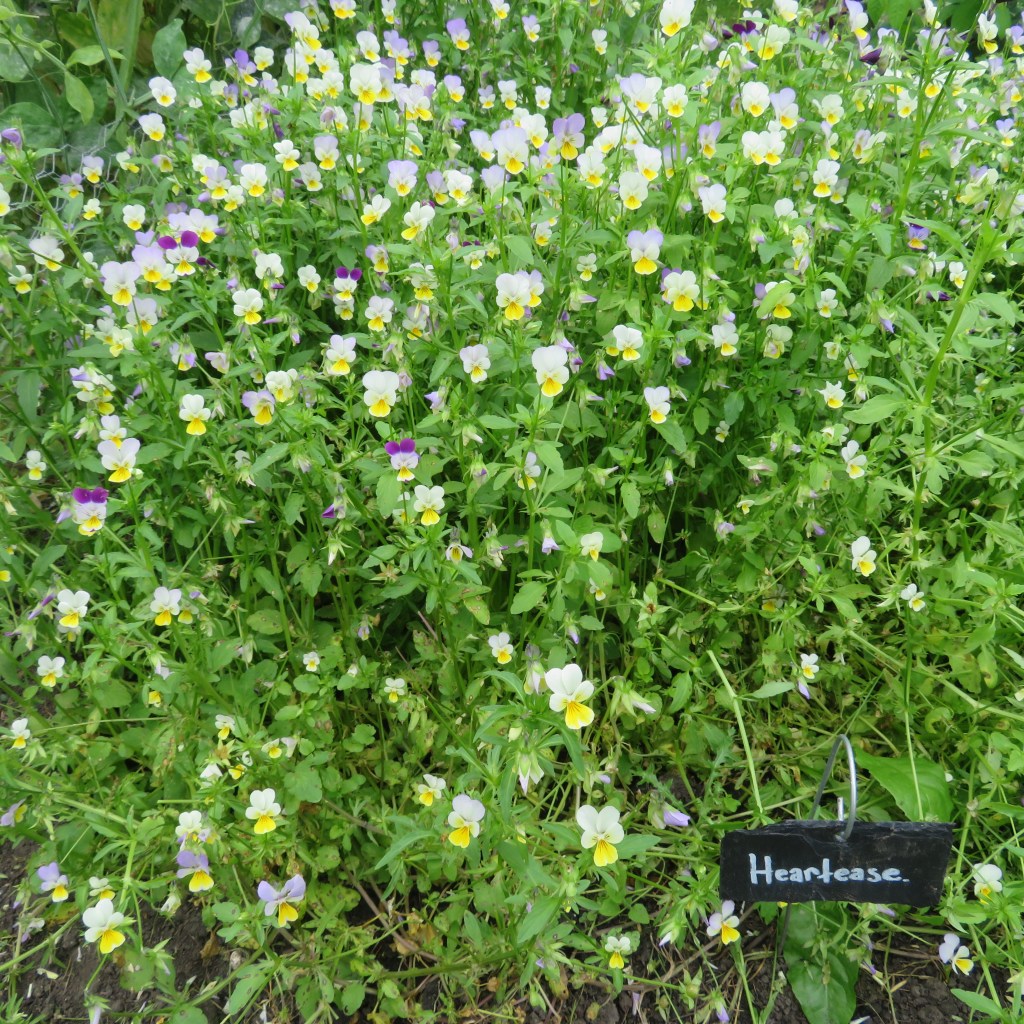
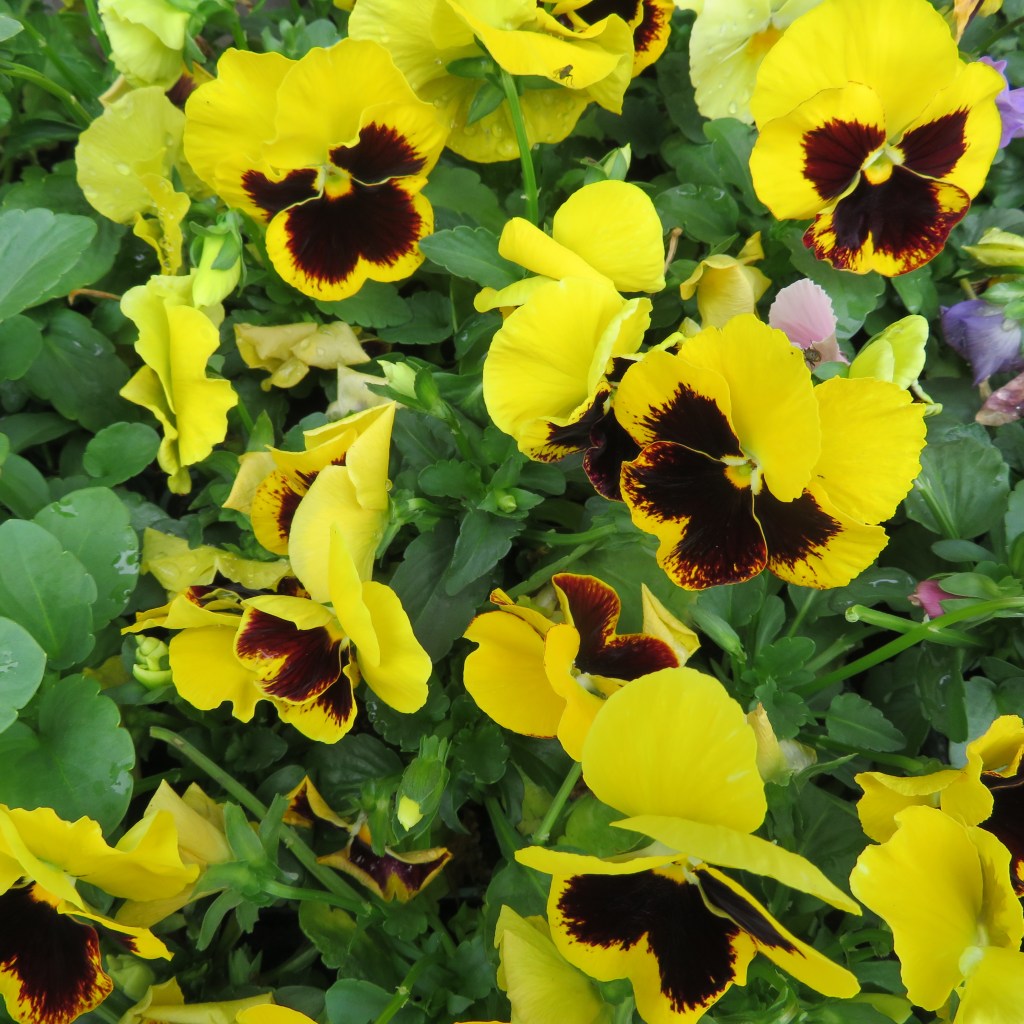
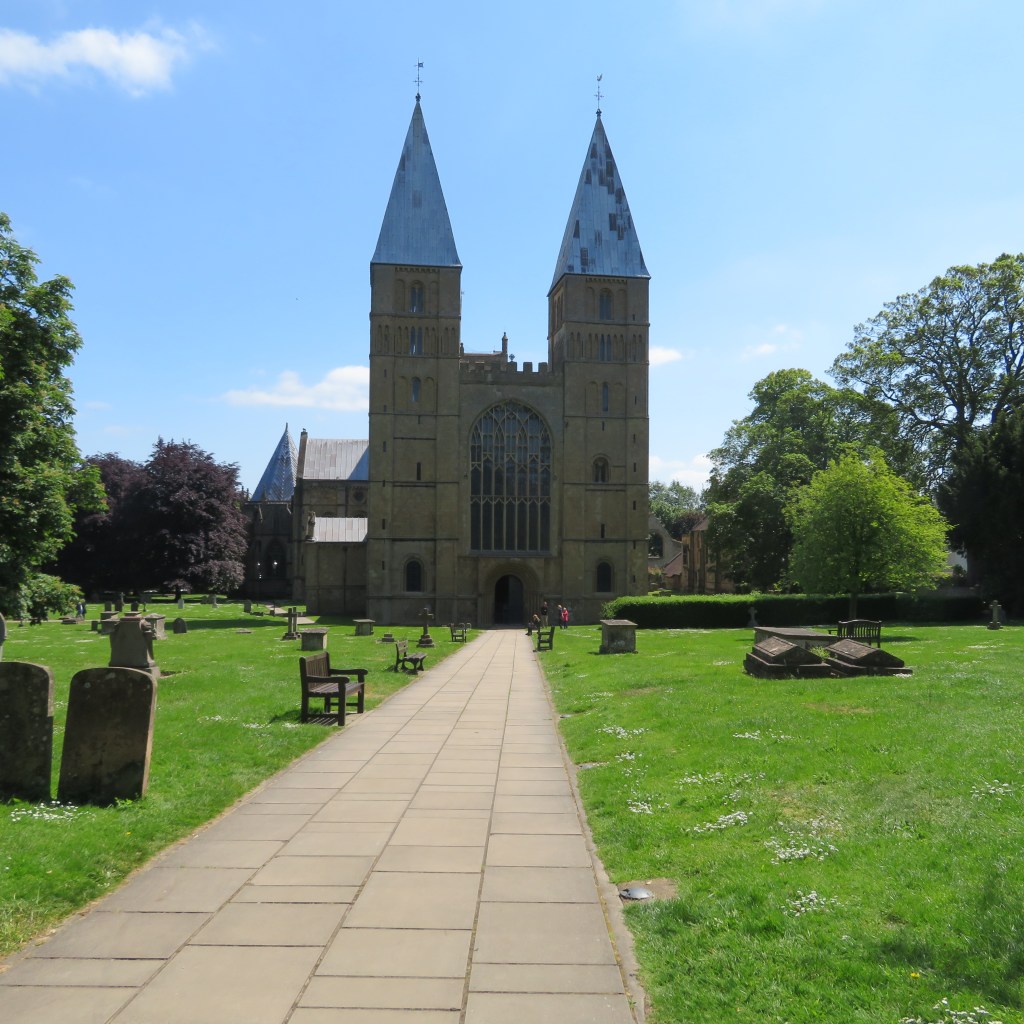
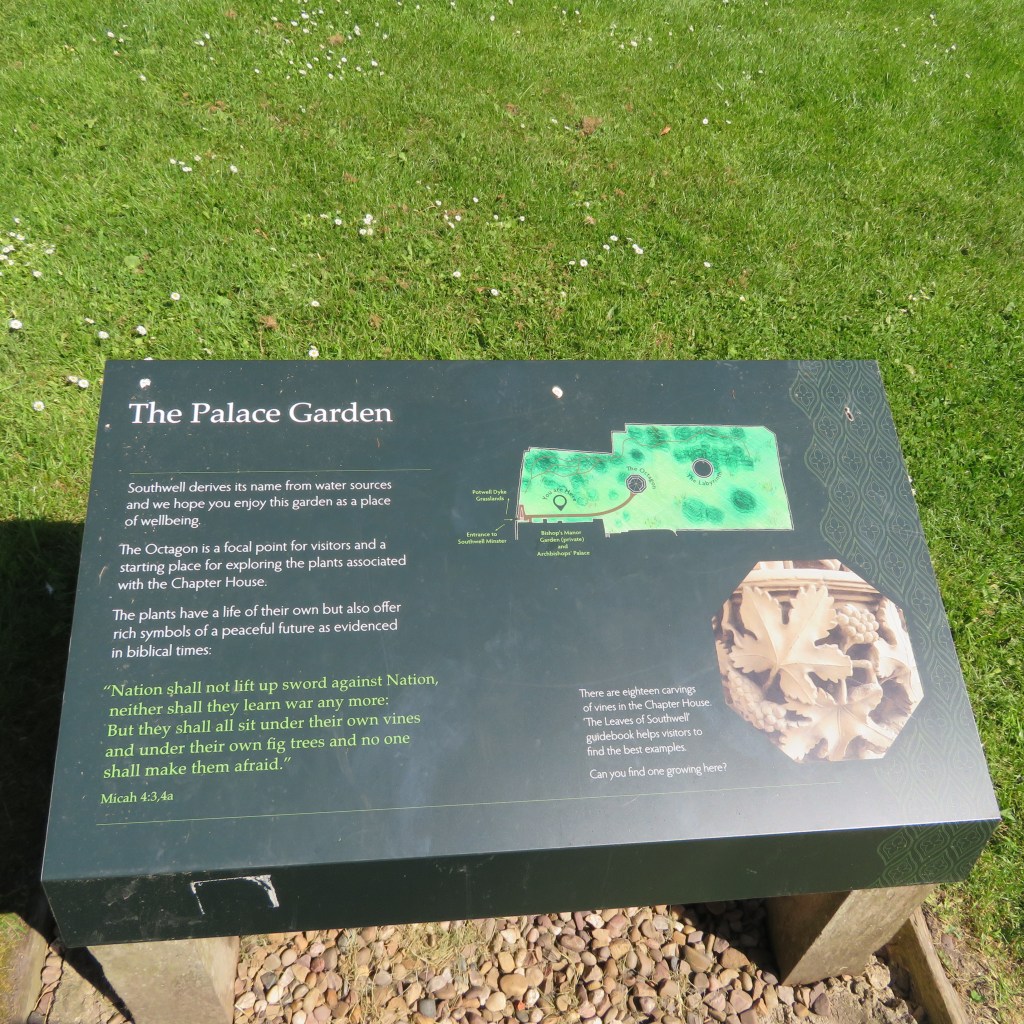
Discovering Shakespeare’s aphrodisiac was a happy accident for me. It was on a visit to the lovely garden within the grounds of Southwell Minster, Nottinghamshire, England, that I encountered the lovely lady resplendent in shy shades of blue, yellow, and white (see the first photo). ‘Heartsease’, said the gardener. Folklore says she (Viola tricolor) is an aphrodisiac. It was then that I made the connection with Shakespeare, that master of multi-layered literature.
The origin of Heartsease as an aphrodisiac?
Fairy king Oberon explains in Shakespeare’s Midsummer Night’s Dream
Yet marked I where the bolt of Cupid fell.
It fell upon a little western flower,
Before, milk-white, now purple with love’s wound,
And maidens call it “love-in-idleness.”
Fetch me that flower; the herb I showed thee once.
The juice of it on sleeping eyelids laid
Will make or man or woman madly dote
Upon the next live creature that it sees.
How should it be administered?
When Oberon anoints Demetrius’s eyes in the hope of directing the young Athenian’s affections toward Helena, he recites these rhyming verses that recall the origin story of love-in-idleness:
Flower of this purple dye,
Hit with Cupid’s archery,
Sink in apple of his eye.
When his love he doth espy,
Let her shine as gloriously
As the Venus of the sky. —
When thou wak’st, if she be by,
Beg of her for remedy.
The outcome?
Once Demetrius is anointed with this purple flower, the only “remedy” for his infatuation would be Helena herself.
Shakespeare was well versed with many of the medicinal herbs of his day. Minsters and Abbeys and grand old houses like Southwell and Calke usually had medicinal herb gardens attached to them and the abbots were experts in their uses, albeit not often right in their suppositions about the plants’ efficacy. Gregor Mendel was no exception. With his love of plants, he discovered his famous Laws of Inheritance to explain how traits are passed down generations, why parents and children often look alike.
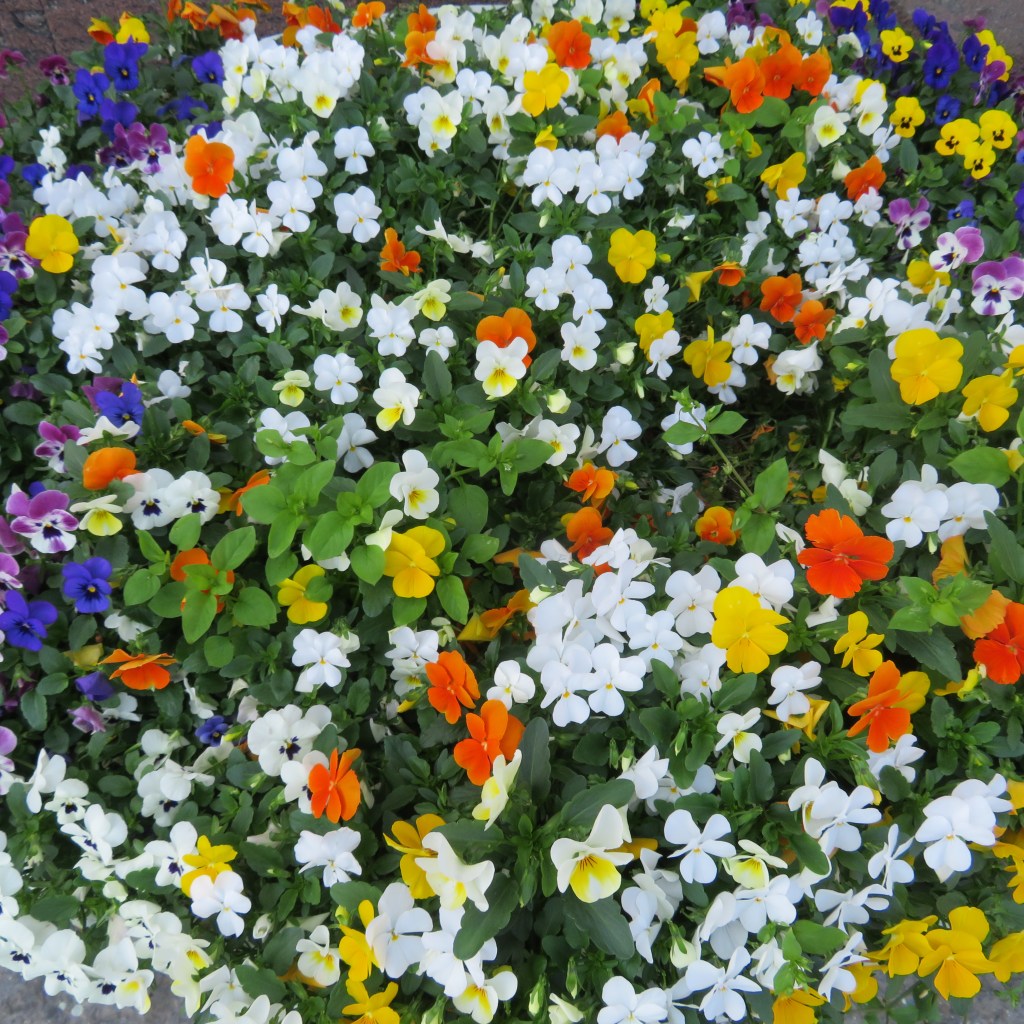
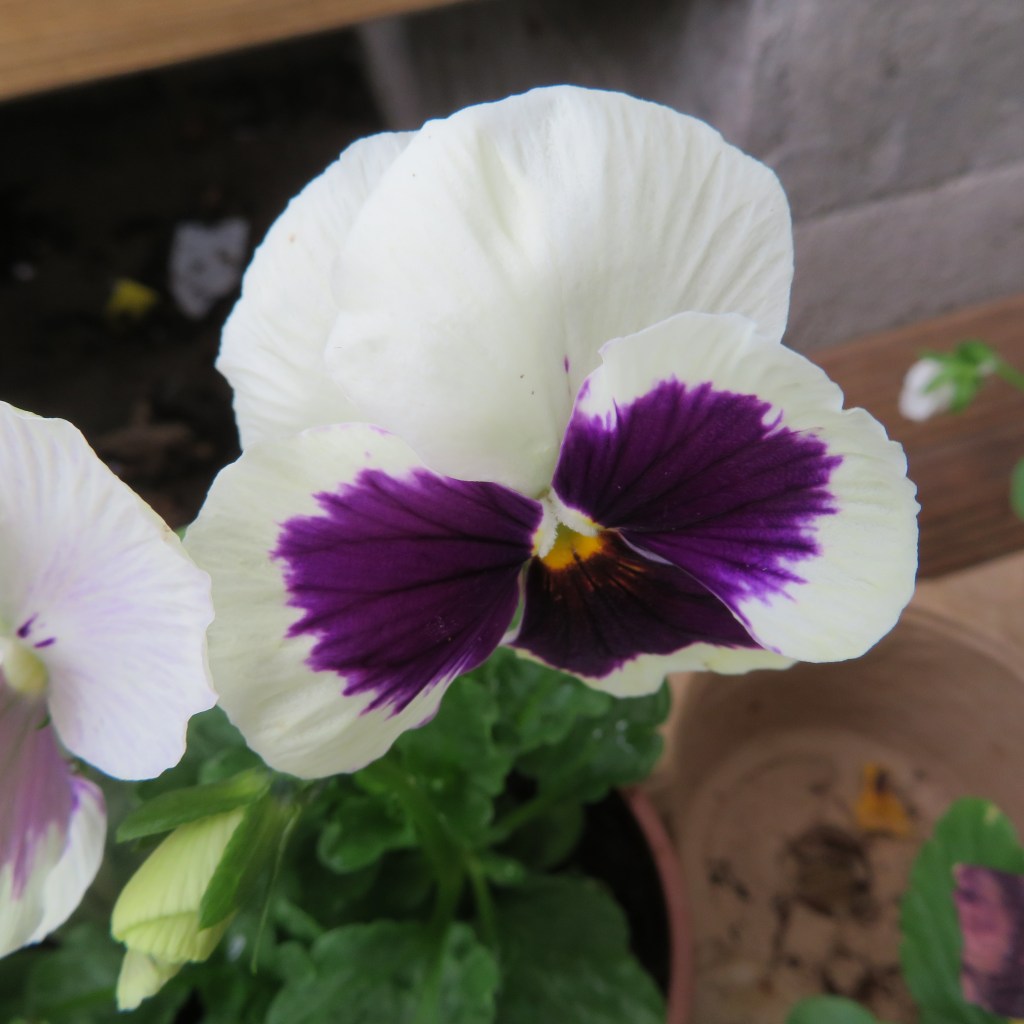
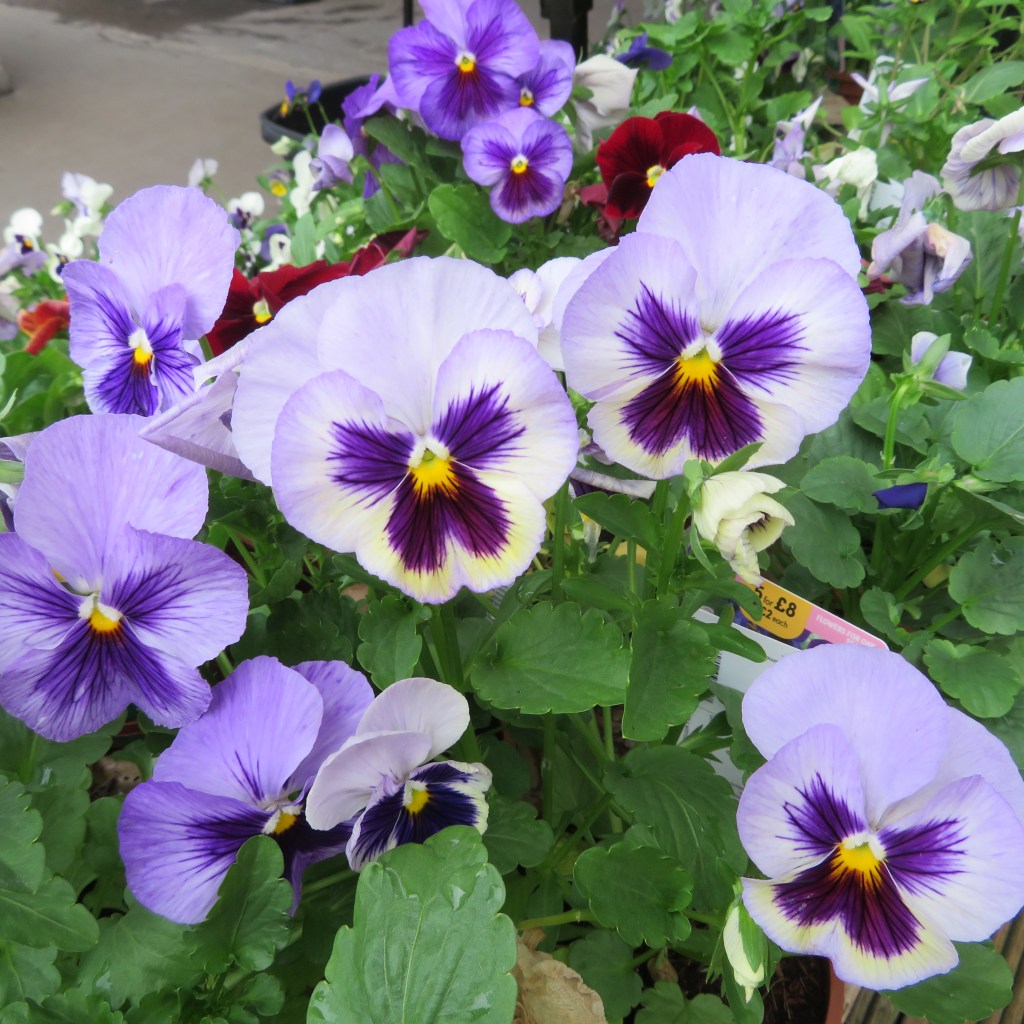
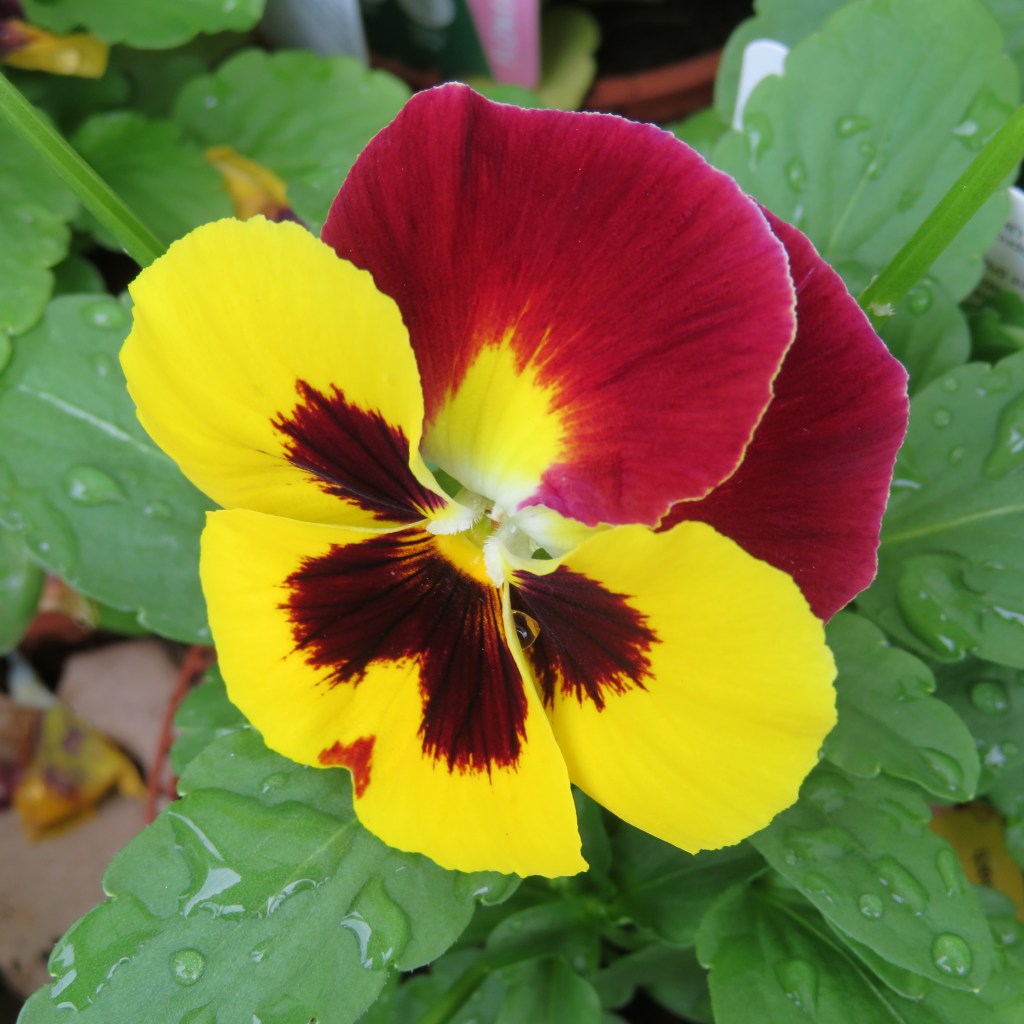
Horticulturalists know of these laws well, though not quantitatively until Mendel’s discovery, and have produced an array of novel Heartsease varieties and species, notably Viola × wittrockiana, to add colour and gaiety to our autumnal gardens (Photos 2 onwards).
See our Previous Posts for Related Information:
1. Natural hybridisation of foxgloves and Gregor Mendel – The man who made peas spill the beans 2. Wormwood (Artemisia absinthium) – Part 1 Hamlet and a treasure at Salamanca University 3. A 25th anniversary celebration with Viagra served with love in the morning tea Part I 4. Lady’s mantle (Alchemilla vulgaris) for Breast Reduction at Calke Abbey
#Heartsease #ViolaTricolor #WildPansy #LoveInIdlenes #PinkOfMyJohn #ShakespeareAphrodisiac #Aphrodisiac #Shakespeare #ErectileDysfunction #Viola #Pansy #SouthwellMinster #MedicinalGarden #Abbey #MendelsLaws
Photo Credits – ALWP CEBP
 Medicine Trees
Leave a comment