Within the infant rind of this weak flower
Poison hath residence and medicine power.
William Shakespeare, Romeo and Juliet
Agatha Christie’s A Pocket Full of Rye begins with wealthy businessman Rex Fortescue, seated at his desk in his office drinking his usual morning cup of tea. Moments later, he collapses and is rushed to hospital but dies shortly after. Indisputably poisoned, says the doctor.
‘Definitely. And what’s more – this is quite unofficial, you understand – just between you and me – I’d be prepared to make a bet on what the poison was.’
‘In-deed?’
‘Taxine my boy. Taxine.’
‘Yew berries?’
‘Berries or leaves. Highly poisonous.’
As we described in a previous post (The Yew Tree – Source of the anticancer drug paclitaxel (Taxol)), the Yew tree is the source of the widely used anticancer drug paclitaxel, marketed as Taxol, a name clearly derived from Agatha Christine’s Taxine.
As everyone knows anticancer drugs often have severe side-effects and paclitaxel is no exception. The dividing line between efficacy and unacceptable adverse effects is often a fine one. Get the dose wrong and death may be at the door. Therefore, trade-offs are required when such medicines are required.
A fatal case of poisoning by yew tree berries was widely publicised in British newspapers in early December 2023, prompted by a coroner’s warning following the death of a teenager from eating yew tree berries or leaves while out walking with his father.
The autistic teenager and his father, who was unaware of the risks associated with the yew tree, had been on a walk in a park during the day but fell ill and collapsed that evening. He was admitted to the Royal Manchester Children’s Hospital but sadly died early the next day.
The coroner, calling for wider publicity of the case, said, ‘Berries and the like might be attractive to young children who would not recognise the dangers and risks, of even illness let alone death. … the poisonous nature of the yew tree is not, on the evidence, well known to the public.’
The local council managing the park and the UK Health Security Agency (UKHSA) decided not to issue an alert at the time for fear of doing more harm than good because deaths from yew tree poisoning were relatively rare. Their concern was that drawing attention to the case would advertise a potential lethal poison to would-be suicidal people. The coroner thought this is illogical. I agree and hence this post.
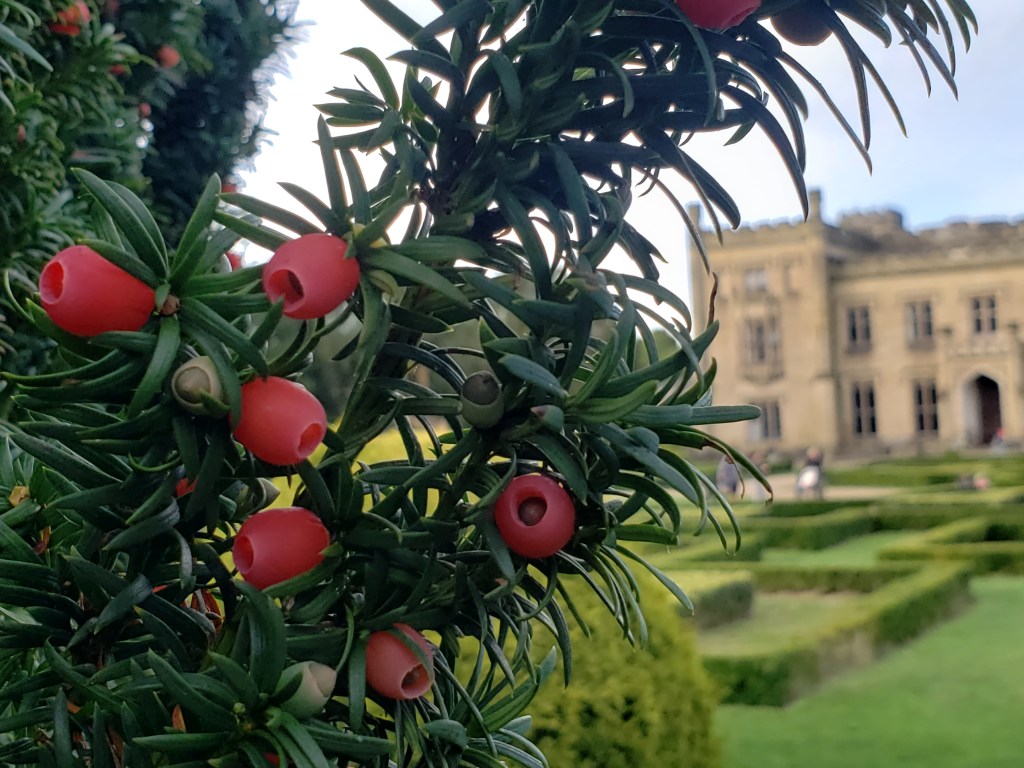
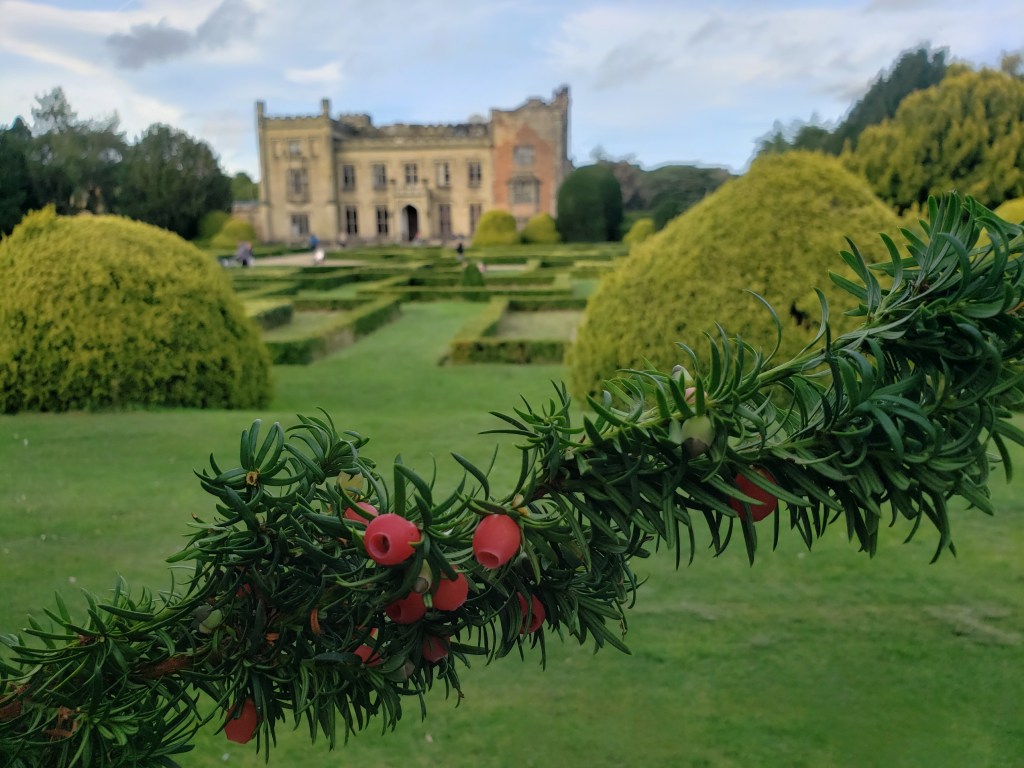
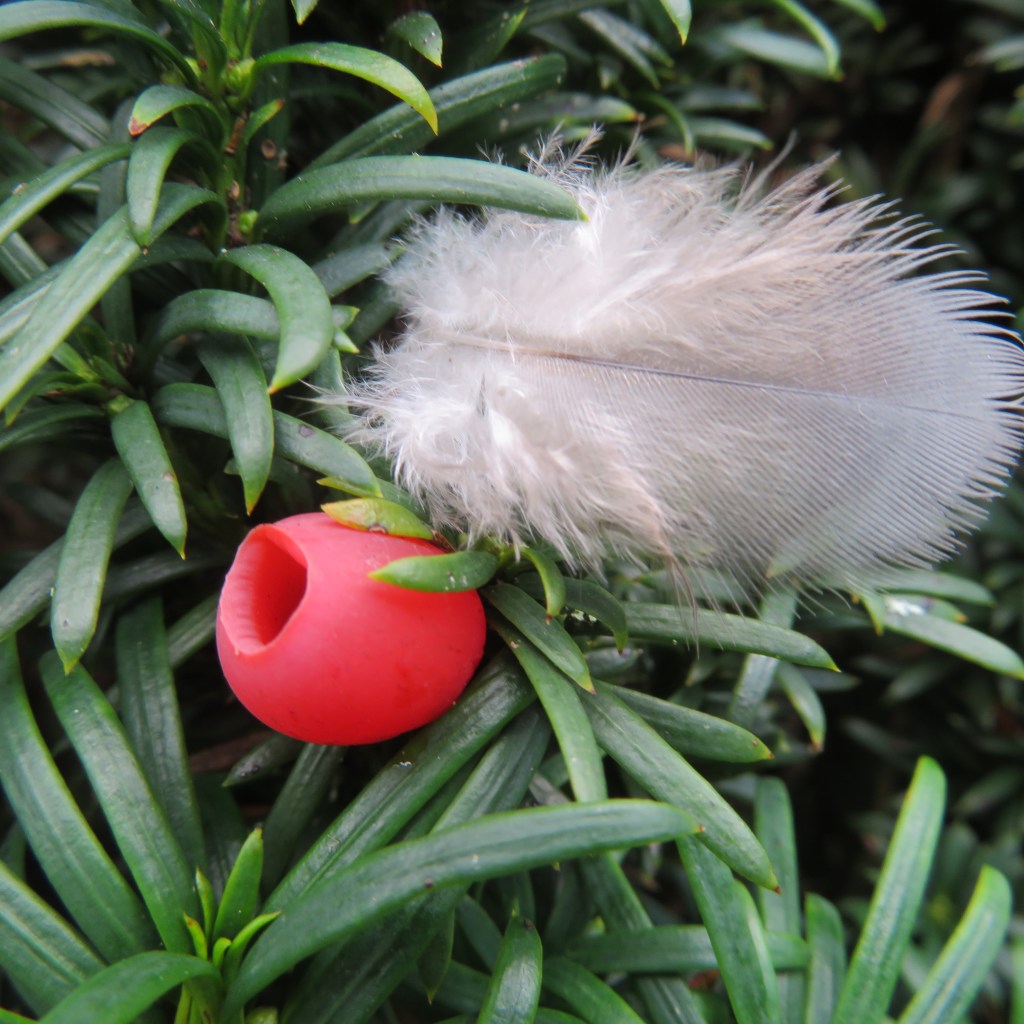
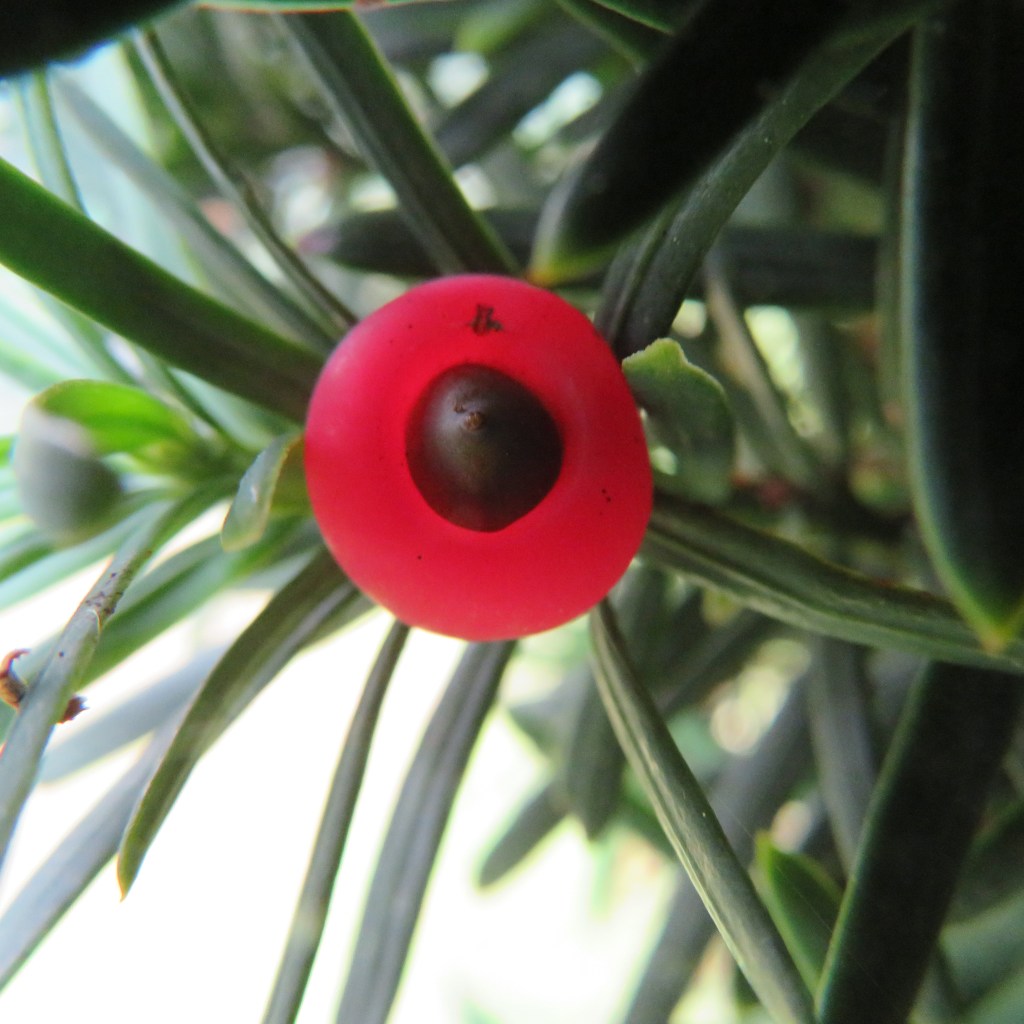
The pulp of the ripe berries is not poisonous, but the seeds are, as are the leaves. The pulp is said to taste like lychees. I do not find it so, but it is very sweet, and hence the temptation to eat them. Birds love them. The risk of serious harm with eating the berries is too high to be worth the pulp. Please avoid.
Photo Credits – Alain Li Wan Po CEBP. Photos of yew trees taken autumn 2023 at one of my local country parks – Elvaston Castle in Derbyshire #YewTree #Taxol #AnticancerDrugs #Paclitaxel #Taxine #AgathaChristie #APocketfulOfRye #MedicineTrees #MedicinalHerbs #MedicinalPlants#HerbalMedicine #PlantMedicines #FolkloreRemedies #TakingLeadFromNature #PlantPoisons #RiskBenefitOfWarnings
 Medicine Trees
Leave a comment