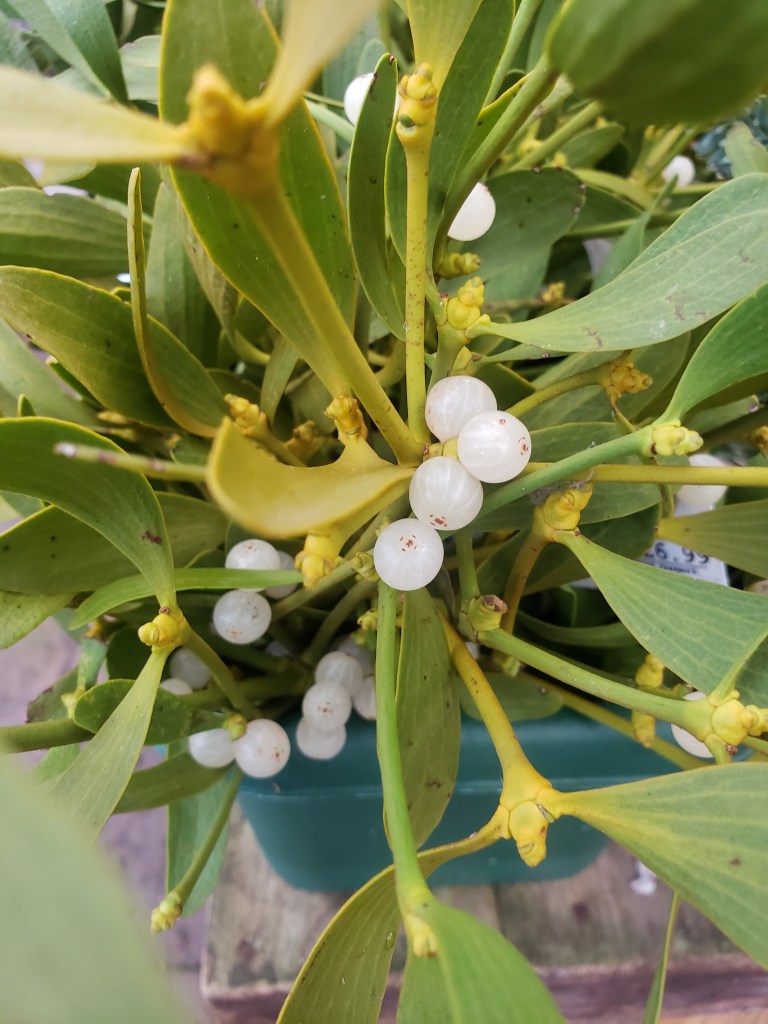
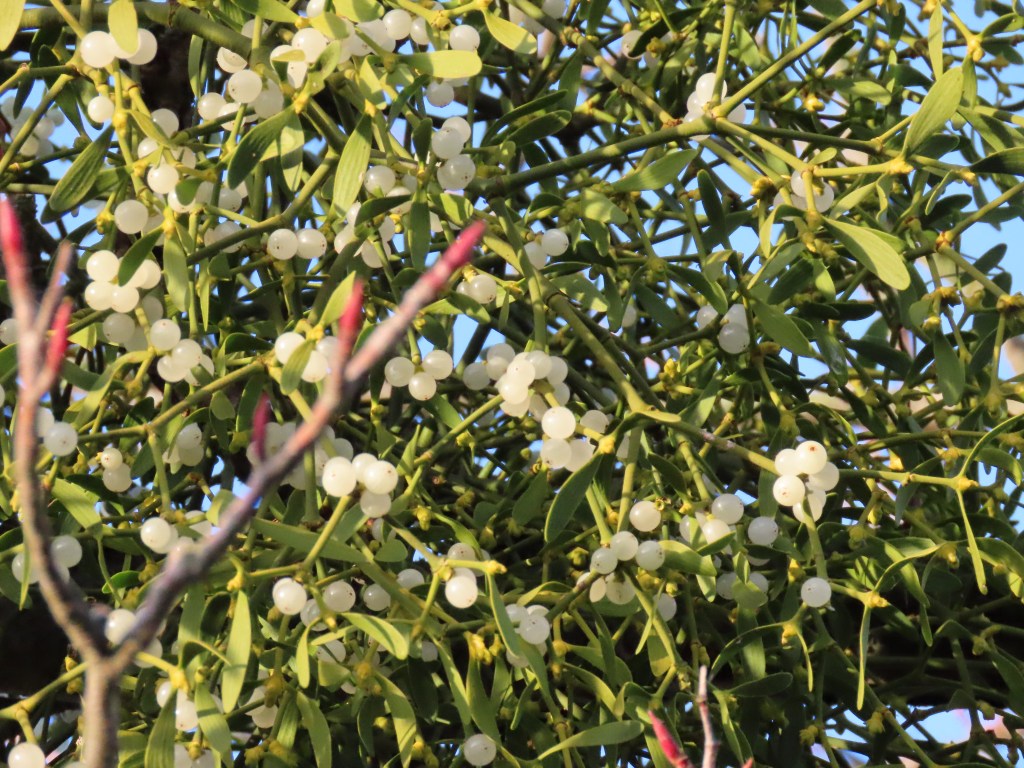
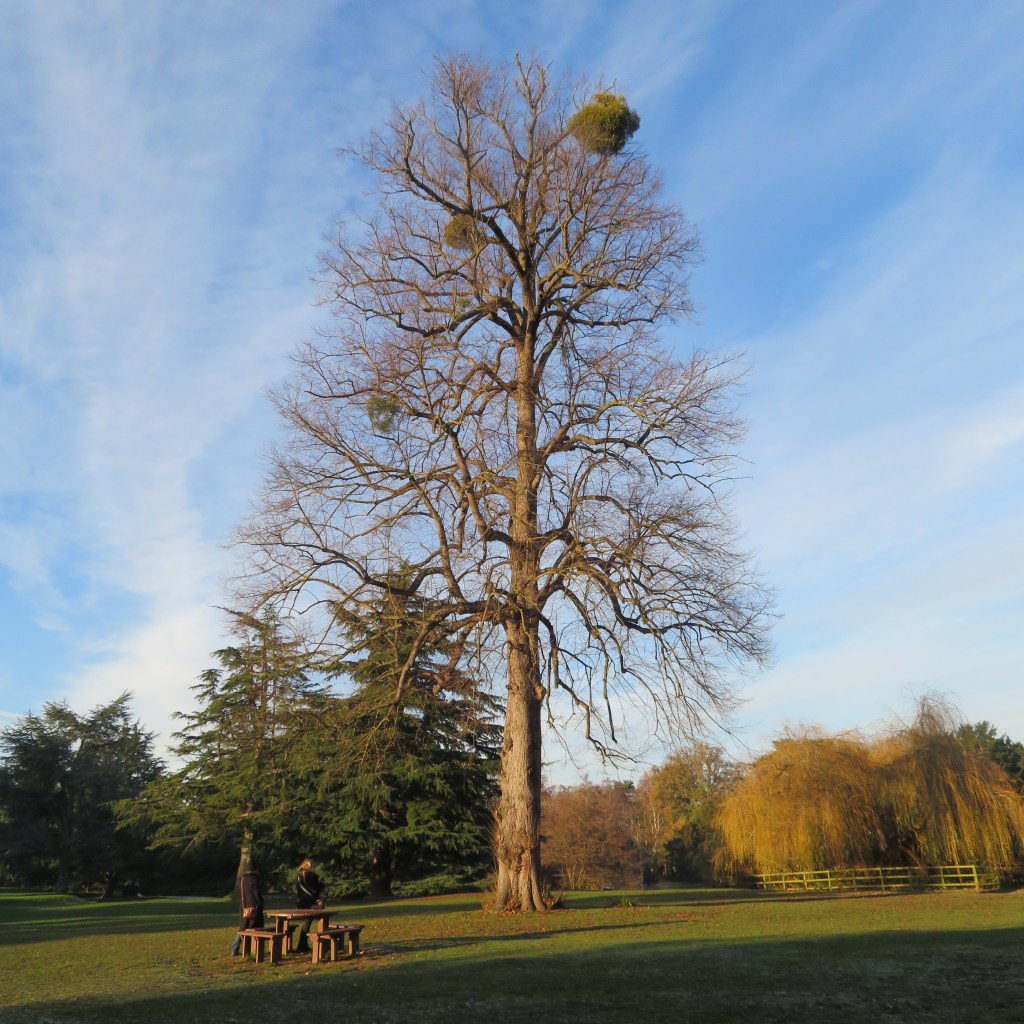
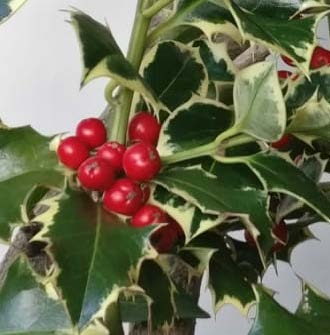
The mistletoe is very much a feature of end-of-year festivities in Britain. Florists stock its cuttings for those eager to cheer away the winter blues. The pearly white mistletoe berries duet wonderfully with the red Holly berries.
I hope that you have all shared kisses under the spell of the mistletoe during that happy season. Stories about kissing under of the ‘magical’ mistletoe go back to Norse mythology, and in the late eighteenth century spread to Britain. The plant seemingly entices resistant young ladies to yield to the kisses of amorous young men at Christmastime.
As Dickens wrote, in The Pickwick Papers, the ‘mystic branch’ casts spells.
‘the younger ladies … screamed and struggled, and ran into corners, and threatened and remonstrated, and did everything but leave the room, until some of the less adventurous gentlemen were on the point of desisting, when they all at once found it useless to resist any longer and submitted to be kissed with a good grace.’
To Pomona Sprout, Professor of Herbology in Harry Potter, ‘mistletoe is much more than a holiday decoration’ and ‘snogging’. It has magic. Some real-world professors today believe that it has wonderful therapeutic activity too. A search of Medline, the database curated by the US Library of Medicine on the 3rd of January 2024 identified 473 research papers on the European mistletoe (Viscum album), 57 in the past three years alone, but none in the first three days of 2024. Perhaps the researchers, editors, and bibliographers are still recovering from an overdose of mistletoeing during the festive season.
Papers published in the last five years show, not surprisingly, that much of the interest in the potential therapeutic value of mistletoe is in the management of cancer and as a potential antimicrobial agent. Both are areas of therapy with unmet needs; the first because despite recent dramatic advances made in cancer management, treatment resistance and relapses are common, and the second, because of increasing antibiotic resistance. There is also considerable interest in the anti-inflammatory properties of the mistletoe. With an ageing population, and the sometimes-fearsome adverse effects of existing therapies for the various types of arthritis, many patients yearn for effective but milder therapies from the plant world. There are lots of in-vitro (laboratory) investigations suggesting that the plant has anti-cancer and anti-inflammatory activities, but I can find no well validated licensed therapies based on the mistletoe although there are case-reports of patients who have done well on it when combined with various other therapies. But these are only lone swallows. The placebo effect is, of course, always potent in the management of aching bones and muscles of old age.
Let’s hope that the scientists will find the therapeutic magic bullets they are looking for. To increase their chances, various researchers are investigating other species of viscum and, interestingly, also how the host tree may affect the composition of the potential medicines produced by the plant.
We wish all the mistletoe investigators luck with a kiss under the magical plant. Who knows? One day their dreams may come true. Many patients would no doubt gladly kiss under the mistletoe for relief from intractable disease or pain. In the meantime, love under the magic plant is surely a panacea worth indulging in.
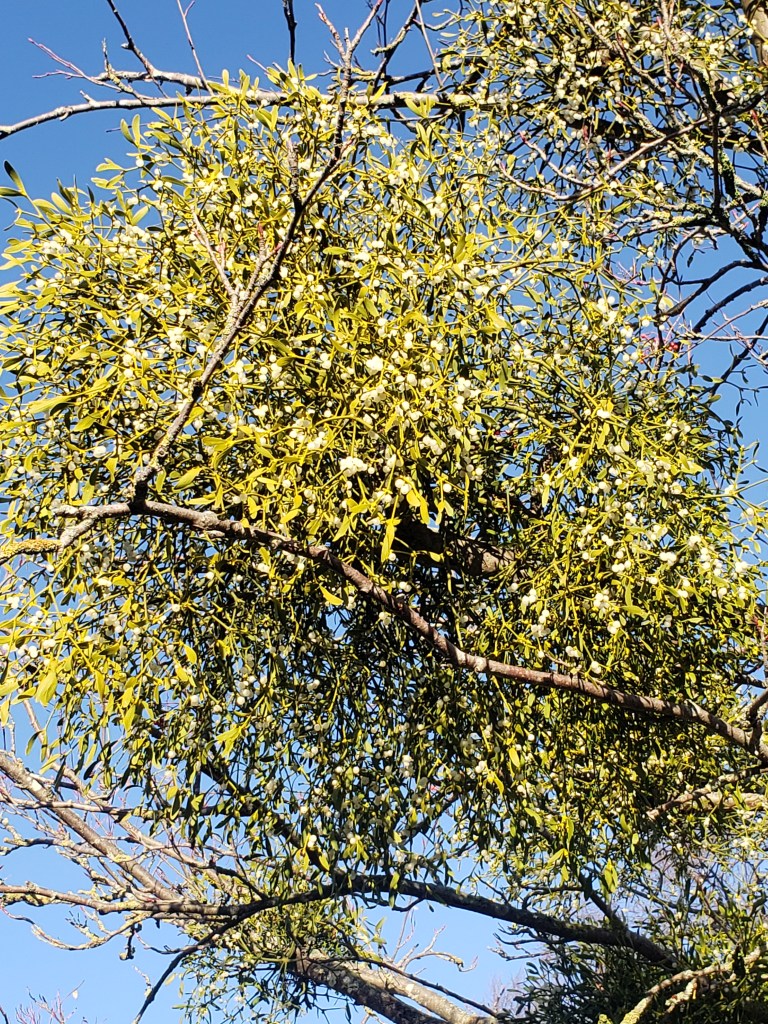
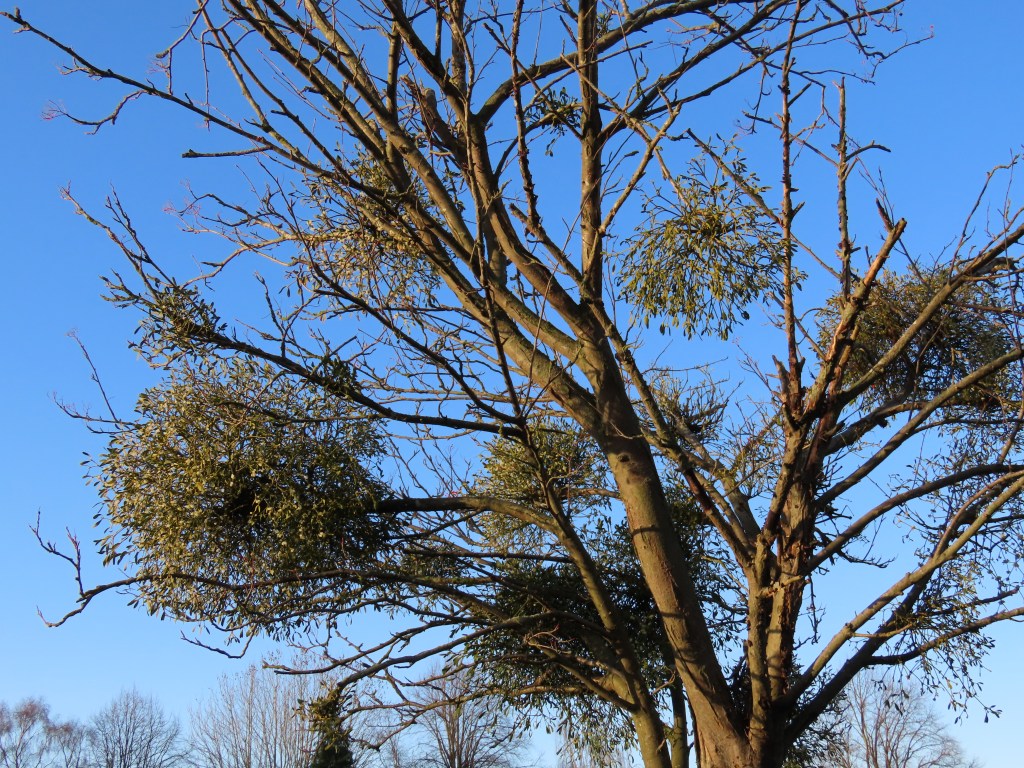
Photo Credits – ALWP CEBP Photos 1 to 5 – The Mistletoe in close-up and growing high in the trees and Photos 6 and 7 – Contrasting Holly berries.
#MedicineTrees #MedicinalHerbs #MedicinalPlants #HerbalMedicine #PlantMedicine #HerbalTeas #FolkloreRemedies #TakingLeadFromNature #Mistletoe #ViscumAlbum #HarryPotterMistletoe #DickensMistletoe #NaturalCancerTherapy #NaturalAntimicrobials #ArthritisNaturalRemedies #MistletoeHollyHistory

 Medicine Trees
Leave a comment