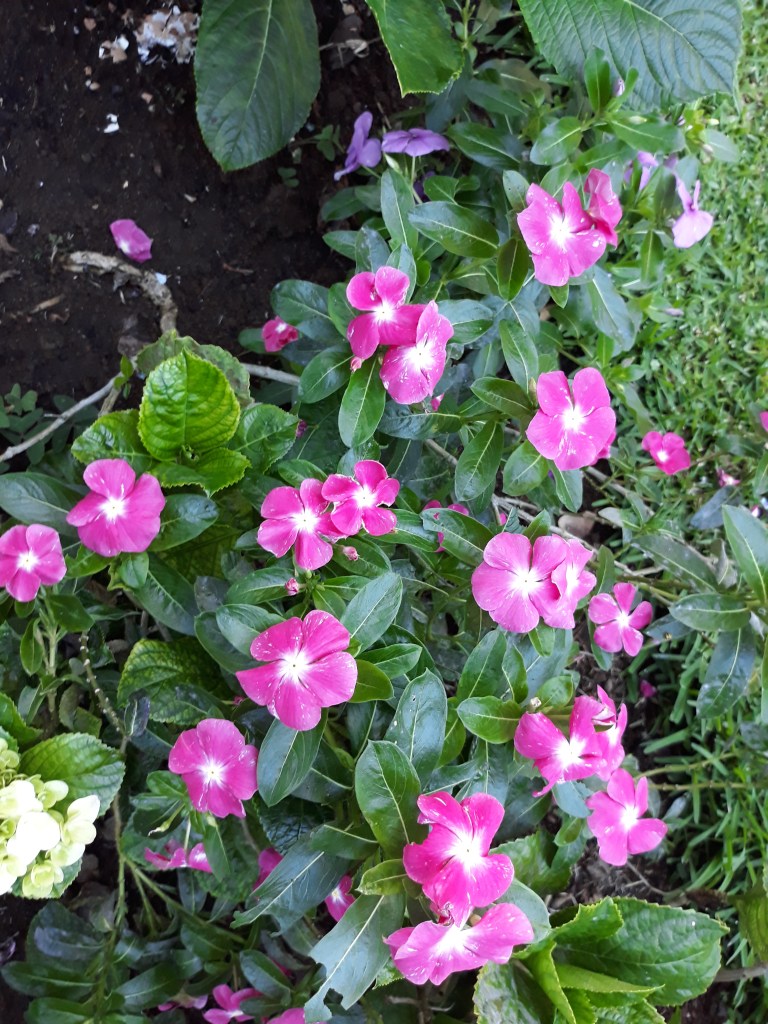
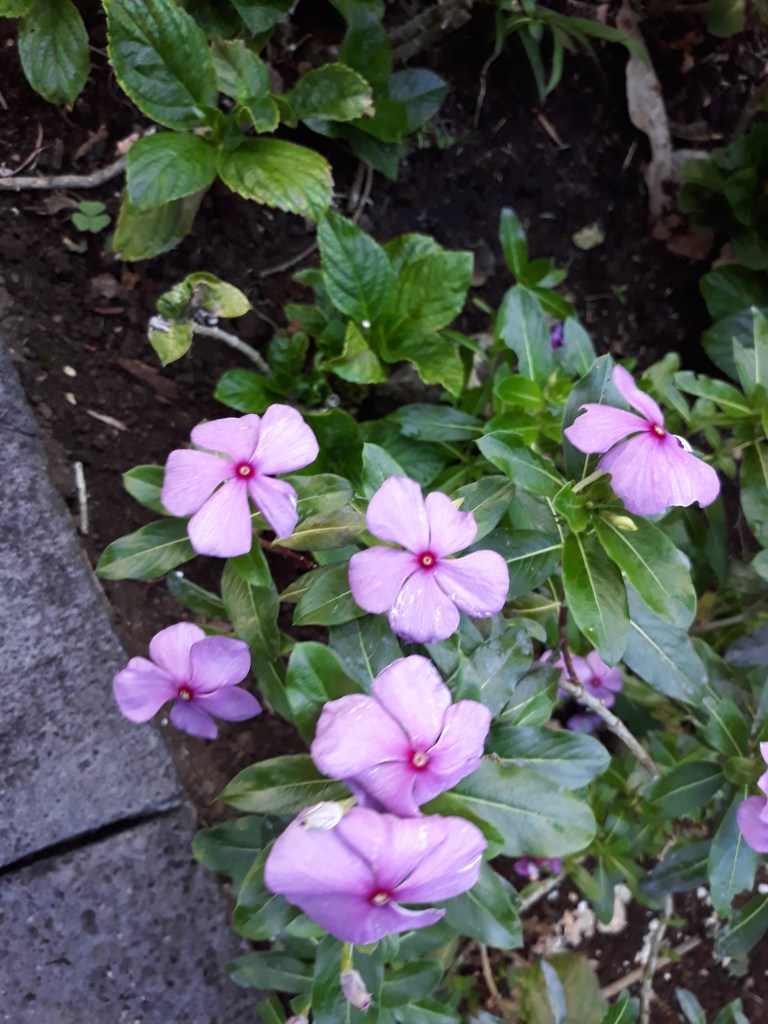
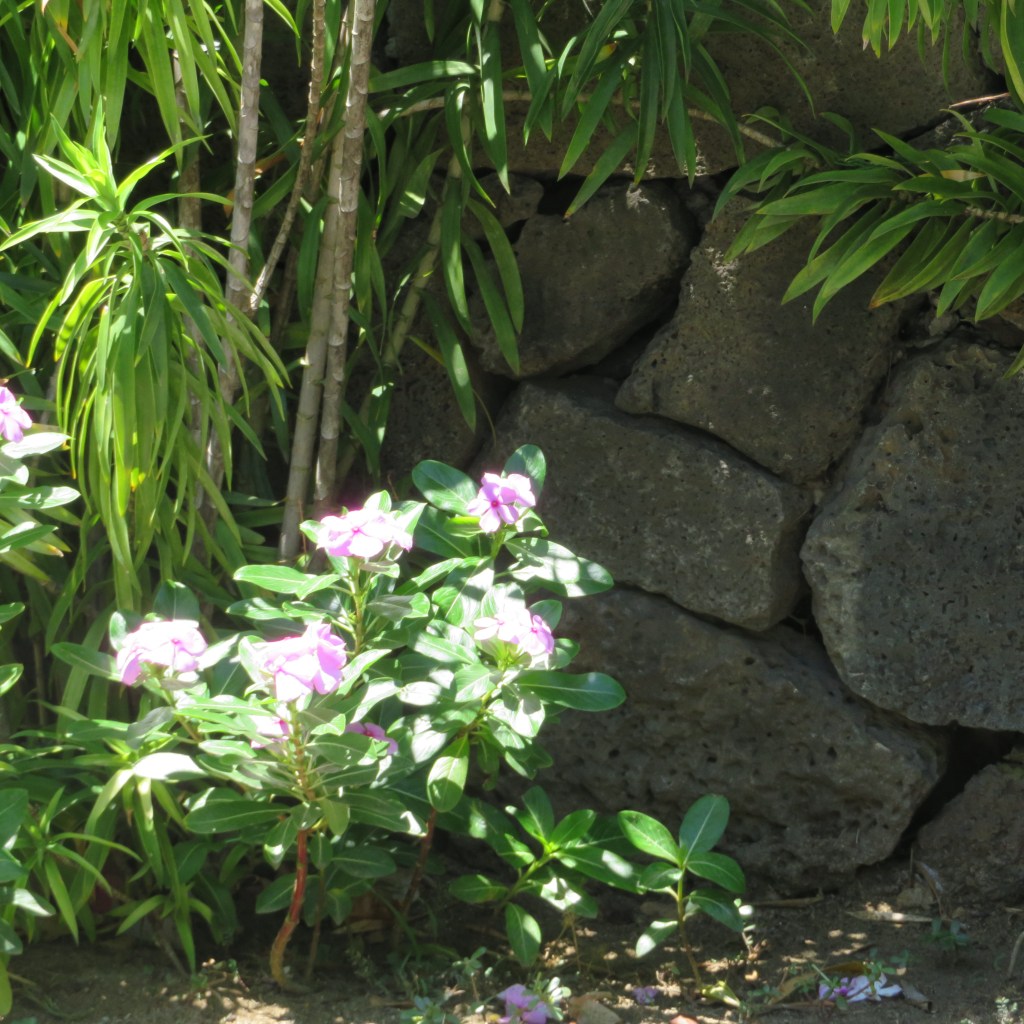
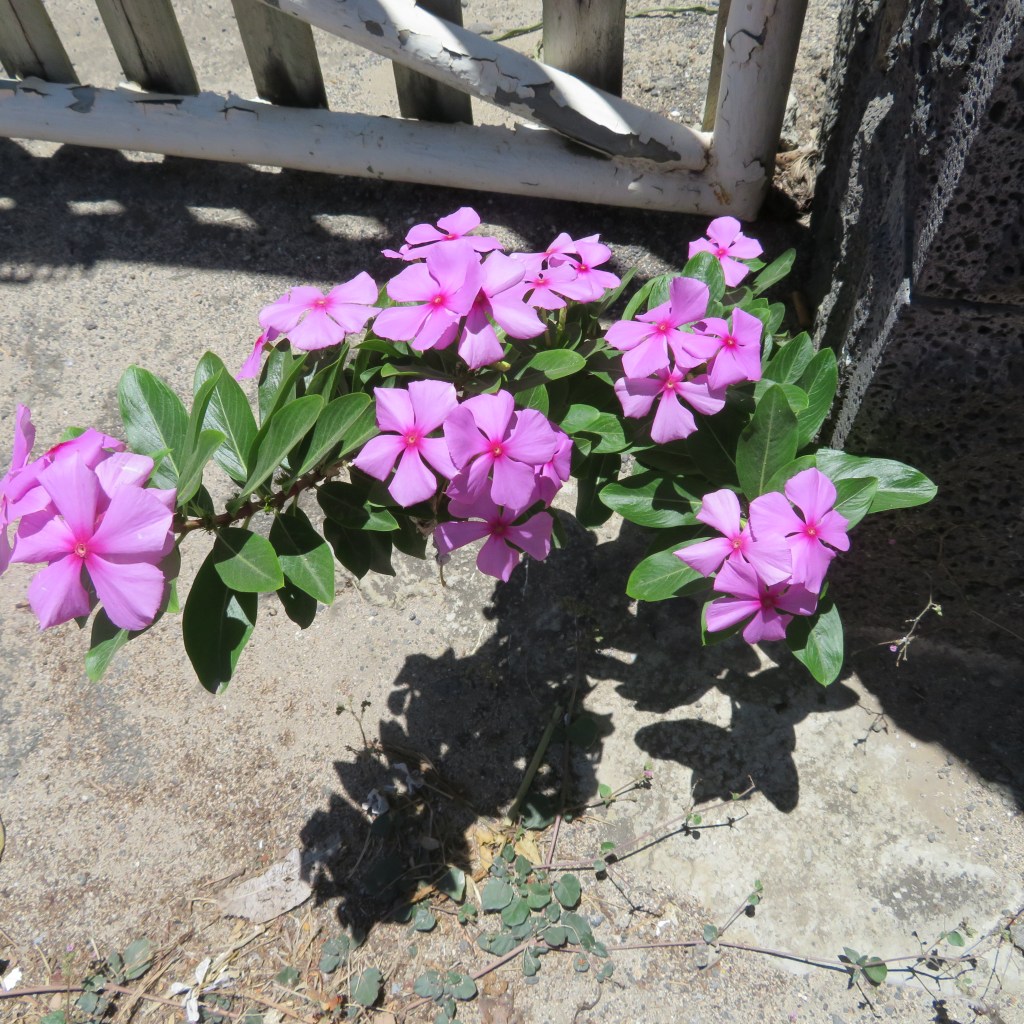
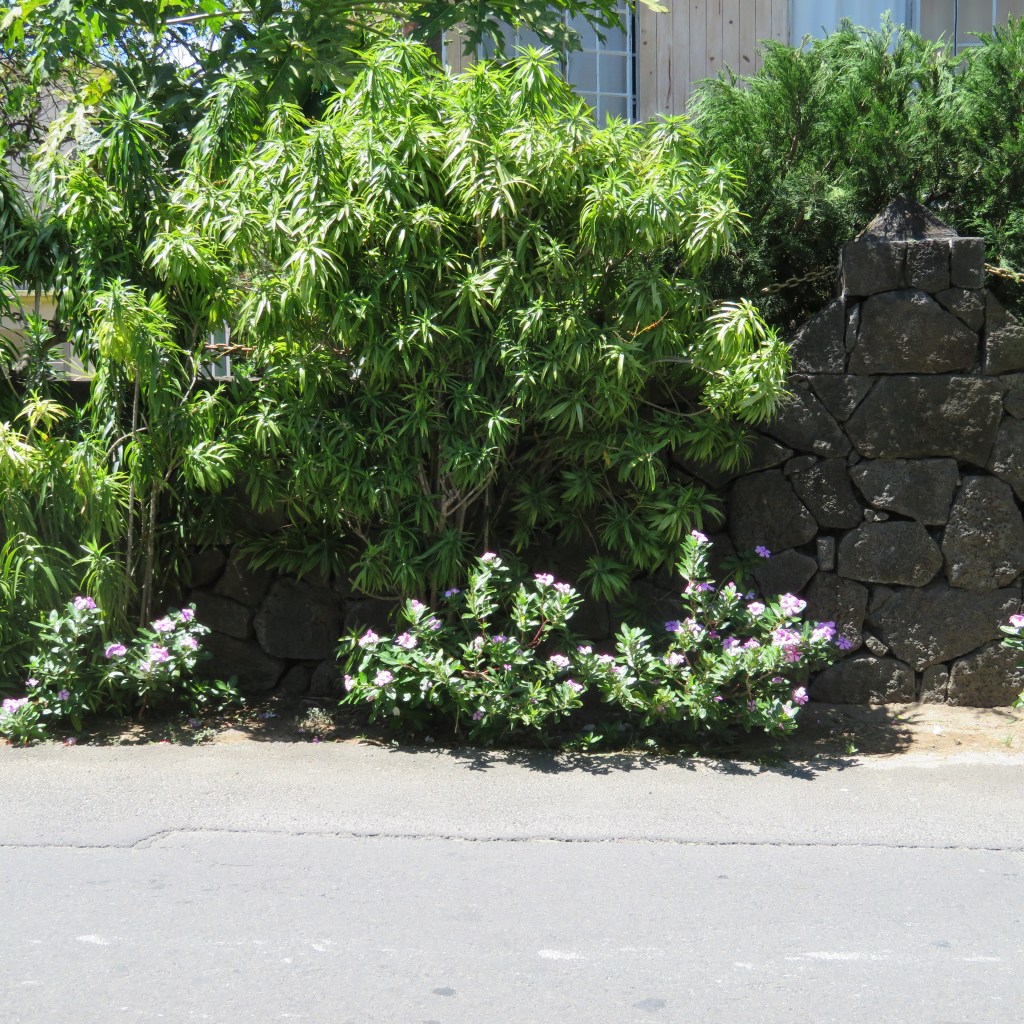
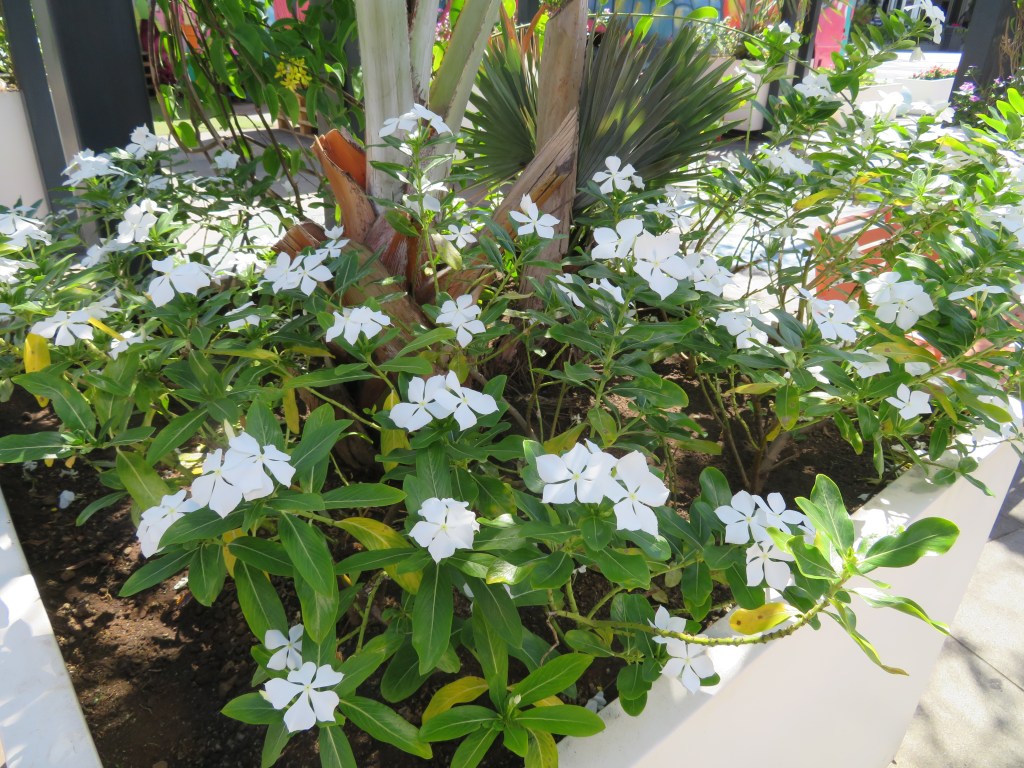
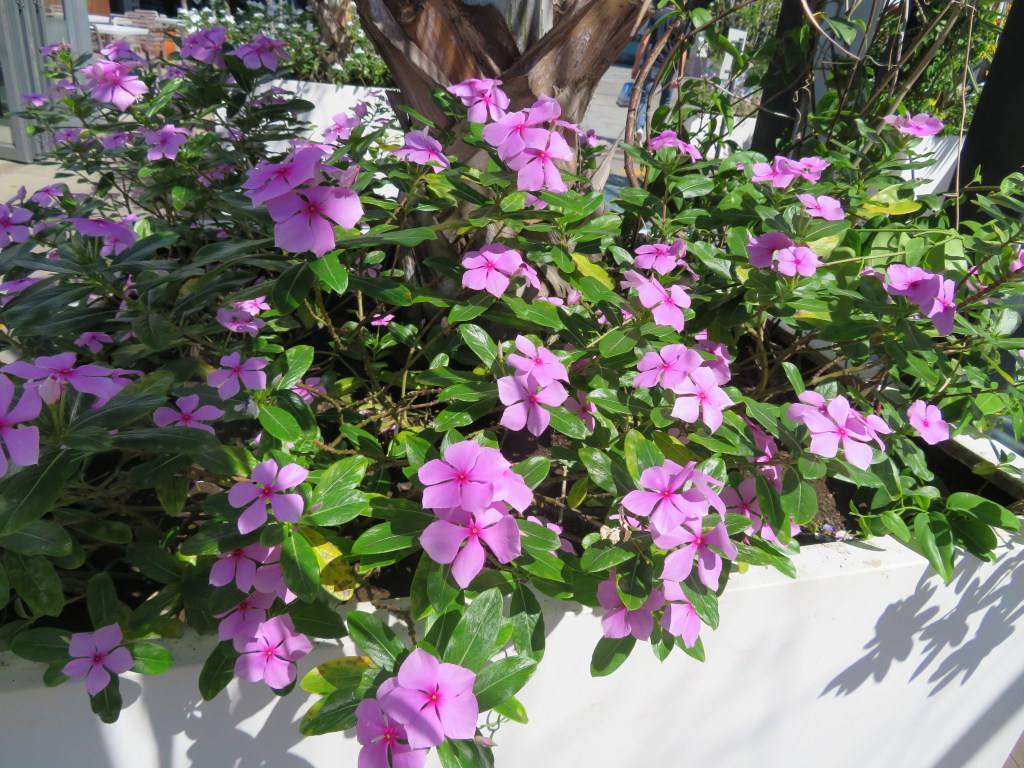
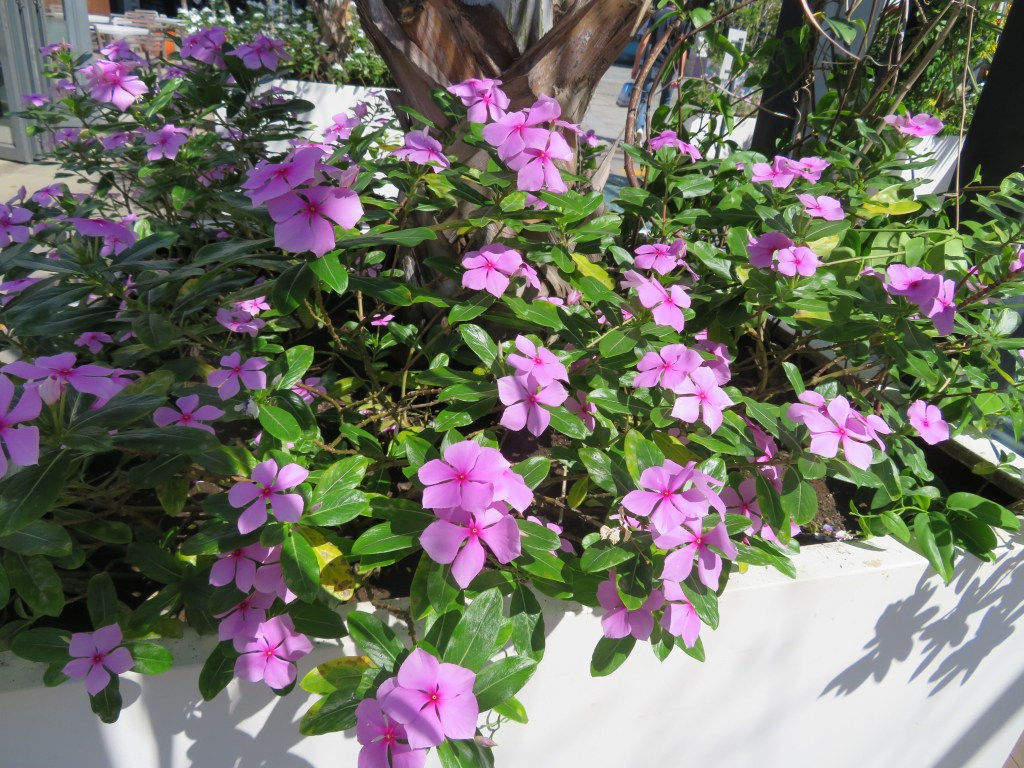
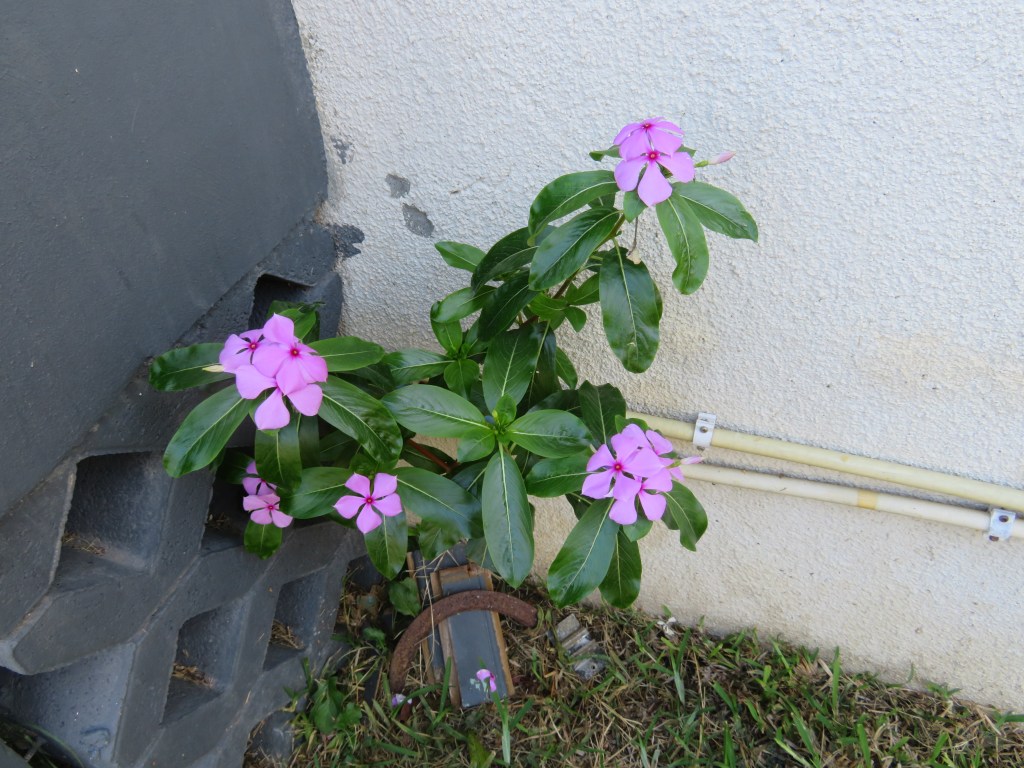
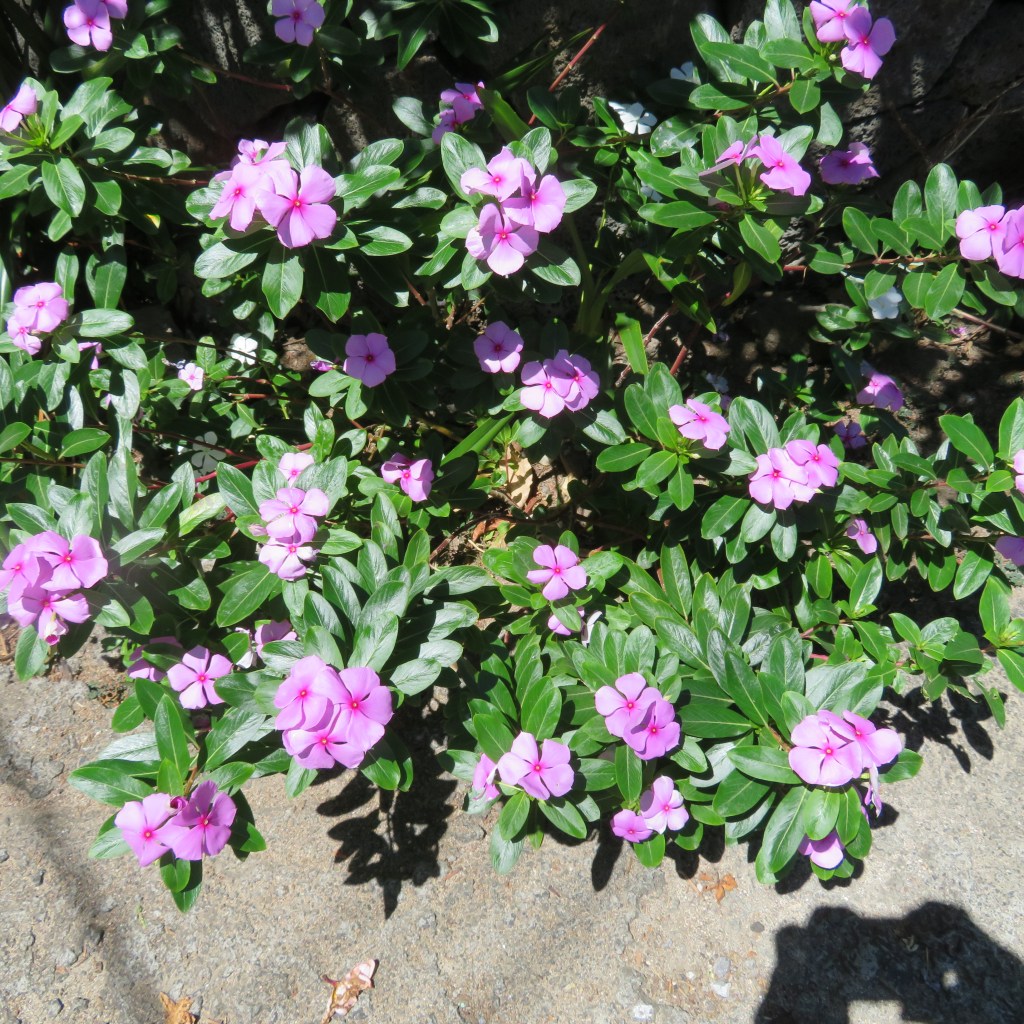
Medicines often have lovely names. Vincristine and vinblastine are two important anticancer medicines obtained from the periwinkle. In the beautiful island of Mauritius where I took most of the photographs and where the periwinkle, Cantharanthus roseus or Vinca rosea (Madagascar periwinkle) is as equally at home along street borders as in well-manicured gardens, some will tell you that vincristine reminds them of the call, vini Cristine (come Cristine) in Creole, as if to beckon the lady for a walk among the lovely wildflowers. Usually rose pink, as the name suggests, cultivars of the periwinkle now produce flowers ranging from red to lilac and white.
The periwinkle is at home in Europe too, brought back by colonists to brighten their gardens. History records that Etienne de Flacourt (1607-1660), a governor of the French East India Company in Madagascar, sent to the French Jardin du Roi, seeds and cuttings of the periwinkle which he probably brought home in 1655. Reappointed Governor-General of the Company, he set sail again for Madagascar in 1660 but when his ship reached the coast of Lisbon, they were attacked by Maghrebian pirates and were forced to jump overboard. The Chevalier drowned during that sad episode. As the first person to describe the periwinkle, perhaps the flower should have been named after him as Vinca de Flacourt.
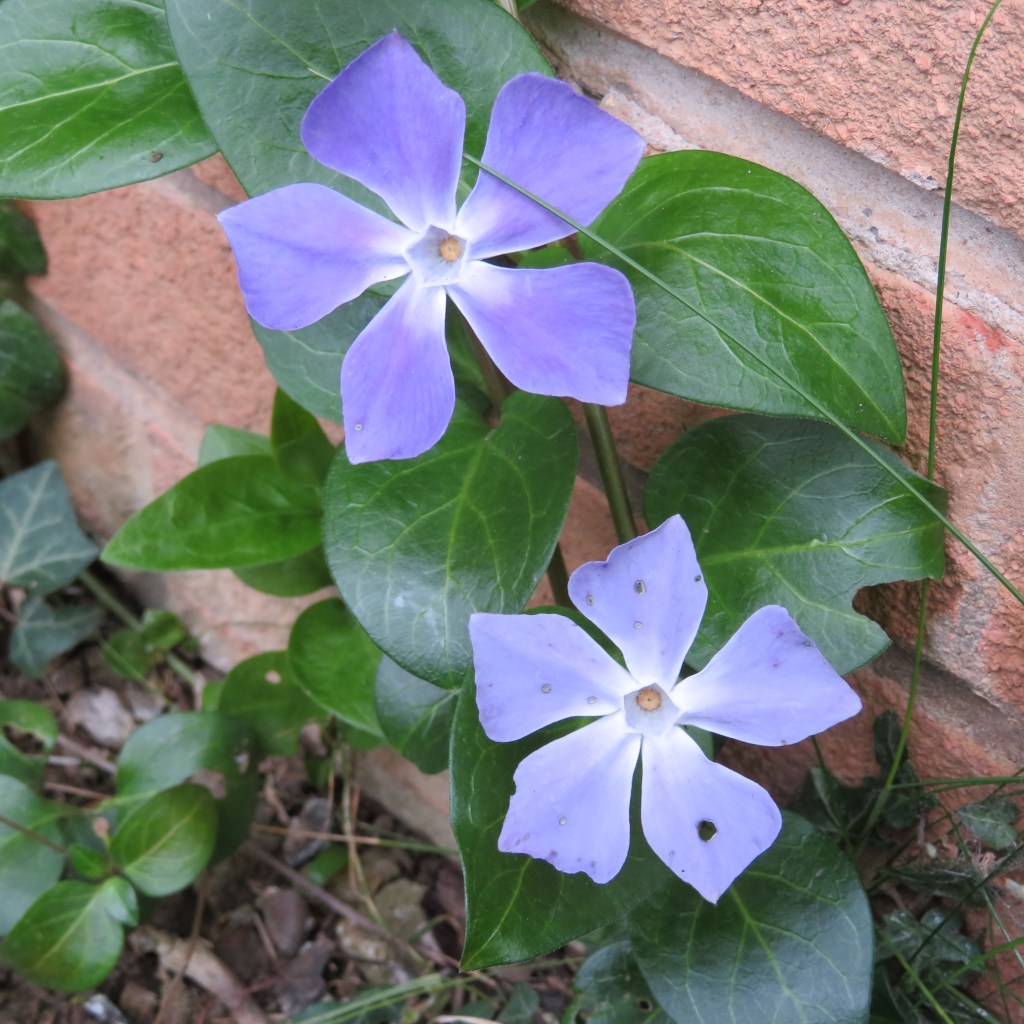
The first photo is of a periwinkle from my garden in the English Midlands. Madame de Sévigné, the marquise, often at the Sun King Louis XIV’s high table, was convinced of the then exotic plant’s medicinal value, urging her daughter, Françoise-Marguerite de Sévigné, comtesse de Grignan, to treat her inflamed lungs with the very green, very bitter, and specific tisane.
‘Enfin, ma bonne, quoiqu’il en soit, consolez-vous, et guérissez-vous avec votre bonne pervenche, bien verte, bien amère, mais bien spécifique à vos maux, et dont vous avez senti de grands effets : rafraîchissez-en cette poitrine enflammée’, the marquise implored.
Others, in other continents, in other times, used the periwinkle for other ‘maux’. In the 1950s, learning of its long history in the West Indies as an antidiabetic agent, Ralph Noble in Canada and Gordon Svoboda in the US began investigating it in their search for orally active antidiabetic agents. Insulin, which required frequent injections, was then the only effective antidiabetic agent available. Periwinkle had no effect on blood glucose but in the spirit of Pasteur, chance favoured the scientists’ prepared minds. Noticing that the plant killed mice when given by injection, they worked out that it did this by destroying their white blood cells. Deranged proliferation of white blood cells is of course at the core of the leukemias and so began Noble, Svoboda, and their colleagues’ evaluation of the plant’s use in cancer. Today, over seven decades after their discovery, vincristine and vinblastine are still used as first-line drugs in combination cancer chemotherapy. Although the two compounds are structurally closely related, they have different activities and side-effects and are therefore indicated for different cancers. Taking a lead from nature, others have produced effective derivatives of the natural vinca alkaloids such as vinorelbine, an orally active drug. The use of the vinca drugs is increasing worldwide despite the introduction of more selective (targeted) agents and cancer immunomodulating antibodies.
#MedicineTrees #MedicinalHerbs #MedicinalPlants #HerbalMedicine #PlantMedicine #HerbalTeas #FolkloreRemedies #TakingLeadFromNature #NaturalMedicines #Periwinkle #Pervenche #VincaRosea #CantharanthusRoseus #EtienneDeFlacourt #VincaDeFlacout #EastIndiaCompany #CompagnieDesIndes #Madagascar #Mauritius #IleDeFrance #IleMaurice #Vincristine #Vinblastine #NaturalAnticancerDrugs #Vinorelbine #VincaAlkaloids #FolkloreAntidiabeticAgents #FrenchMaritimeEmpire #EuropeanMaritimeEmpires
Photo Credits – ALWP CEBP
 Medicine Trees
Leave a comment