Last autumn (2023), I went to Seville, the City where both Columbus and Magellan sailed from more than five centuries ago to find a way to the East in their search for spices. In a previous post Professor Burguillo commented on the medicines that Magellan took on board in 1519 for his expedition to the Spice Islands.
Magellan’s expedition took just over three years, a year longer than planned. Many of his crew died of scurvy, then a terrifying new disease caused by a deficiency in vitamin C. As Antonio Pigafetta, his chief voyage chronicler, recounted:
‘Wednesday, November 28, 1520, we emerged from that strait (Today’s Magellan Strait), and entered the Pacific Sea. We were three months and twenty days without any fresh food. We ate biscuit, which was no longer biscuit, but powder of biscuits swarming with worms, for they had eaten the good. It stank strongly of the urine of rats. … We also ate some ox hides … Rats were sold for one-half ducado apiece, and even then, we could not get them. But above all the other misfortunes the following was the worst. The gums of both the lower and upper teeth of some of our men swelled, so that they could not eat under any circumstances and therefore died. Nineteen men died from that sickness, … Twenty-five or thirty men fell sick, in the arms, legs, or in other places, so that but few remained well.’
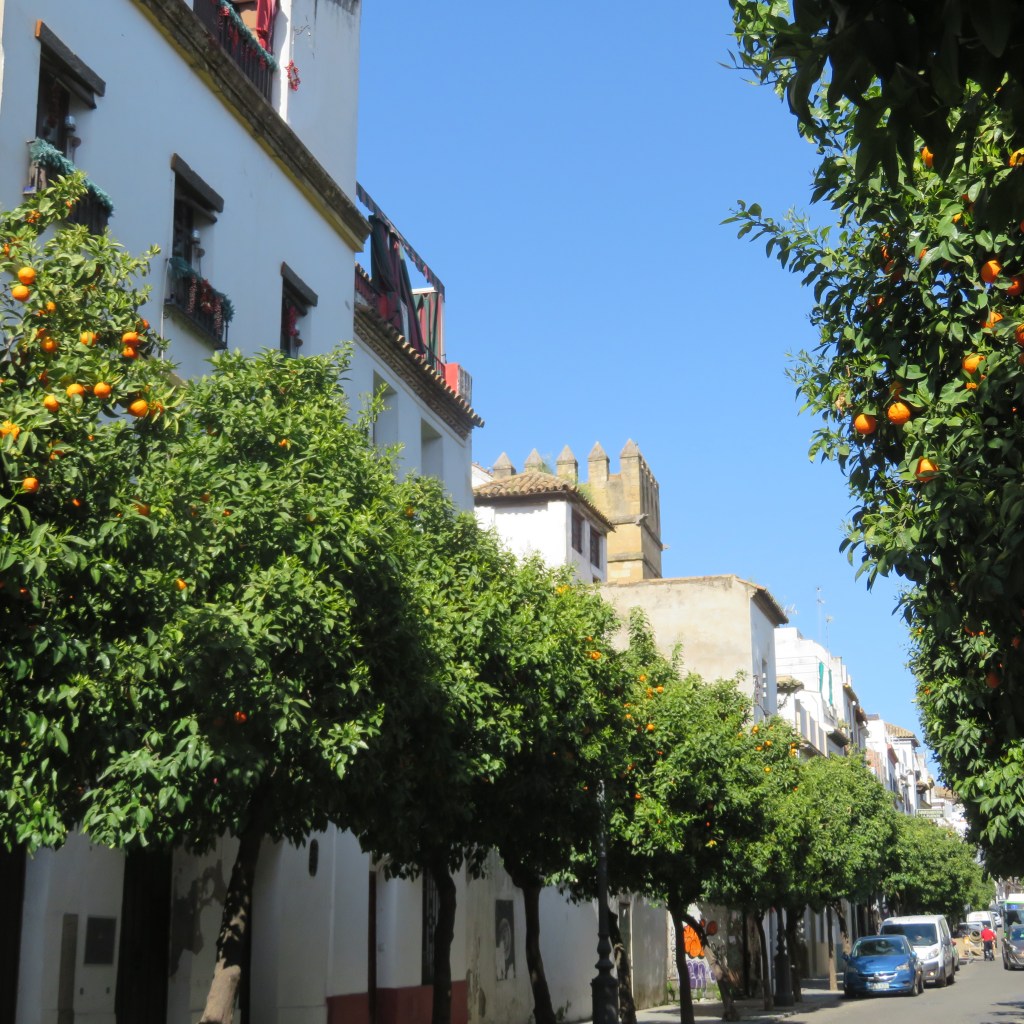
I wondered why Magellan did not take oranges that grow so plentifully in Seville and elsewhere in Andalucia. The first reason is obviously that he and his team did not know of the value of citrus fruits, and certainly not of Vitamin C, as a prophylactic against the disease. However, perhaps the main reason is that in the early sixteenth century, the abundant variety of citrus available in Seville was the bitter orange introduced by the Moors during their occupation of Andalucia. It was widely grown, more as an ornamental plant than as a medicine or food. Today, the orange trees that adorn Seville and other Andalusian towns are still of the bitter-fruit variety. Sweet oranges did not arrive in Spain until after Magellan’s voyage to the Indies. [For more on the different varieties of citrus, their arrival in the Mediterranean, and their genetic relatedness (phylogenetics), please see my previous post on the Pomelo].
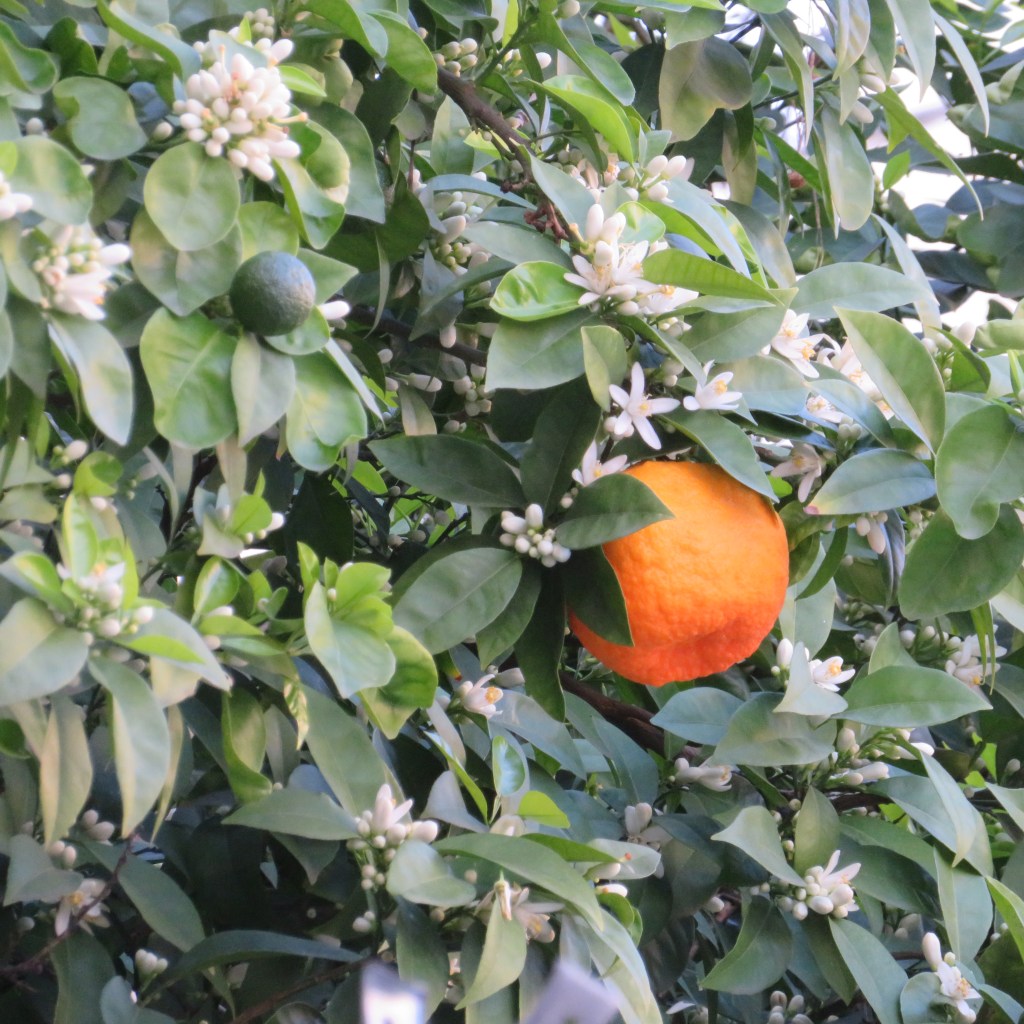
I promised to myself during my first visit in Seville that one day I would return to Andalucia to delight in the fragrance of orange blossoms at their peak. I returned this spring (2024), and I was not disappointed. There is something primal in our love of nature, particularly when plants reawaken from their winter slumber. For the Andalusian orange, both fruit and bloom peak at about the same time from February to March.
Magellan and his crew may not have thought much about the bitter orange as a medicine or food, but the British love it as marmalade. For a recipe, Mary Kettilby’s, first published in London in 1714, is probably as good as any although I would have preferred it if she had cooked less of the bitter principles out and put fewer lemons in.
As Mrs Kettilby indicated, Seville oranges are best for making British Marmalade. Please do not look for it in Andalucia for what they call ‘marmalade’ there is made of other fruits, notably peach and quince. Orange marmalade is nowhere to be found in Andalucia. Magellan did bring some hard vitamin C-rich quince marmalade (Dulce de membrillo) on board, probably solely for the officers. Perhaps that was why he and Pigafetta were spared scurvy.
Only in Britain and in its ex-territories is marmalade specifically made of oranges, and Seville oranges at that if you want the best. Never mind that the term ‘marmalade’ is derived from the Portuguese word ‘marmelo’ for quince.
Mary Kettilby’s 1714 Recipe for Marmalade
TAKE eighteen fair large Seville-Oranges, pare them very thin, then cut them in halves, and save their Juice in a clean Vessel, and set it cover’d in a cool Place; put the half Oranges into Water for one Night, then boil them very tender, shifting the Water ’till all the Bitterness is out, then dry them well and pick out the Seeds and Strings as nicely as you can; pound them fine, and to every Pound of Pulp take a Pound of double-refin’d Sugar; boil your Pulp and Sugar almost to a Candy-height: When this is ready, you must: take the Juice of six Lemons, the Juice of all the Oranges, drain it, and take its full Weight in double-refin’d Sugar, all which pour into the Pulp and Sugar; and boil the whole pretty fast ’till it will Jelly. Keep your Glasses cover’d, and ’twill be a lasting wholesome Sweet-meat for any use.
Today, marmalade is not normally used as a sweet-meat in Britain, but as a breakfast spread on toast. Delightful and understated. The best of British cooks will tell you it makes a wonderful glaze on ham too.
Previous relevant post:
1. Venetian Medicine for the Soul – A walk along the alleys and squares of the Heritage City in Bloom
2. Citrus fruits of Amalfi and Sorento. Did they contribute to the success of the Venetians and of their rivals the Genoese in controlling the spice trade during their Golden years?
3. Vitamin C in Venice The World Heritage City
4. Citrus fruits and James Lind at the birth of Evidence-Based Medicine in the high seas
5. The Magellan-Elcano expedition (Part 1): Medicines on board
#MedicineTrees #MedicinalHerbs #MedicinalPlants #HerbalMedicine #PlantMedicine #HerbalTeas #FolkloreRemedies #TakingLeadFromNature #NaturalMedicines #Seville #Cordoba #Andalusia #Citrus #Orange #Pomelo #BitterOrange #SevilleOrange #Marmalade #Quince #JamesLind #VitaminC #Magellan #PhylogeneticsCitrus #MoorsInSpain #AntonioPigafetta #MagellanElcano #OldMarmaladeRecipe #MaryKettilby #Pomelo #Scurvy #AlcazarDeLosReyesCristianos, #Mezquita-Catedral, #PlazaDeLasTendillas #PlazaRomano #MuslimSpain
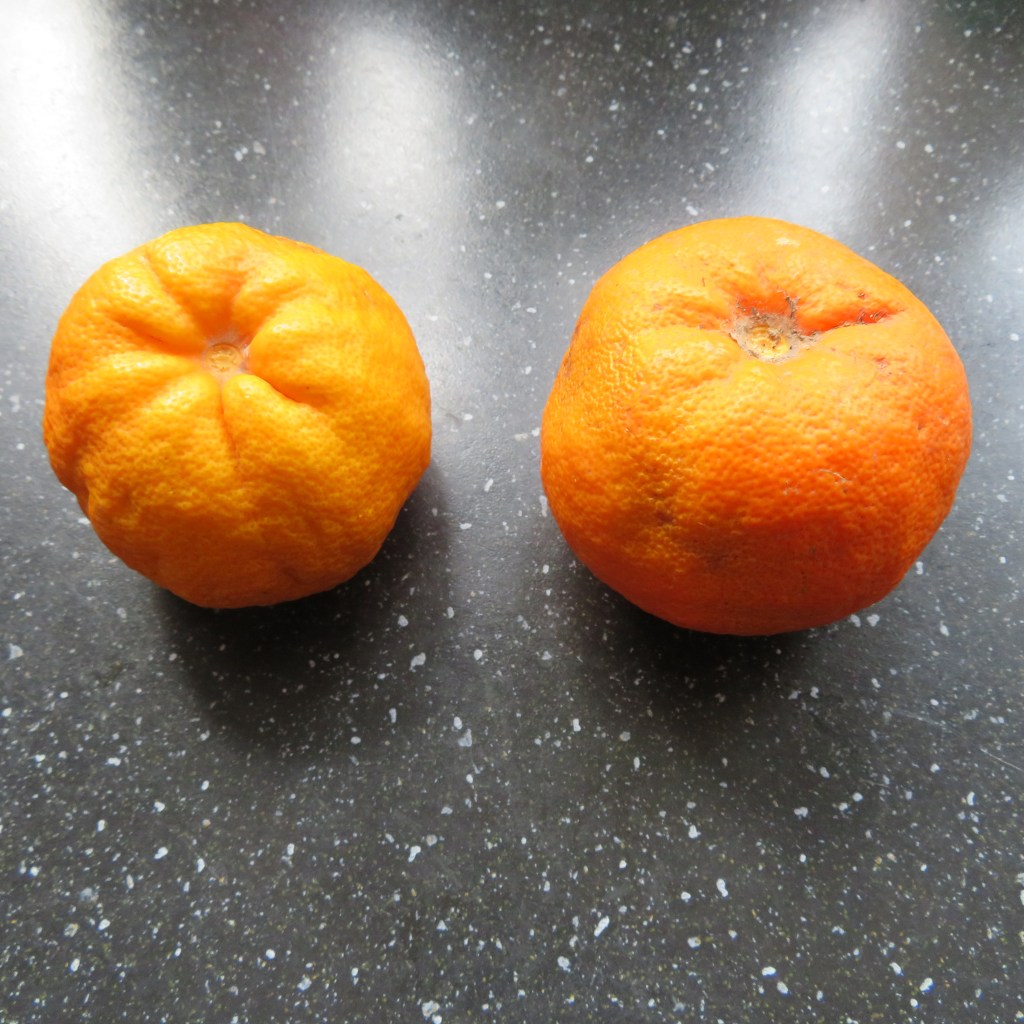
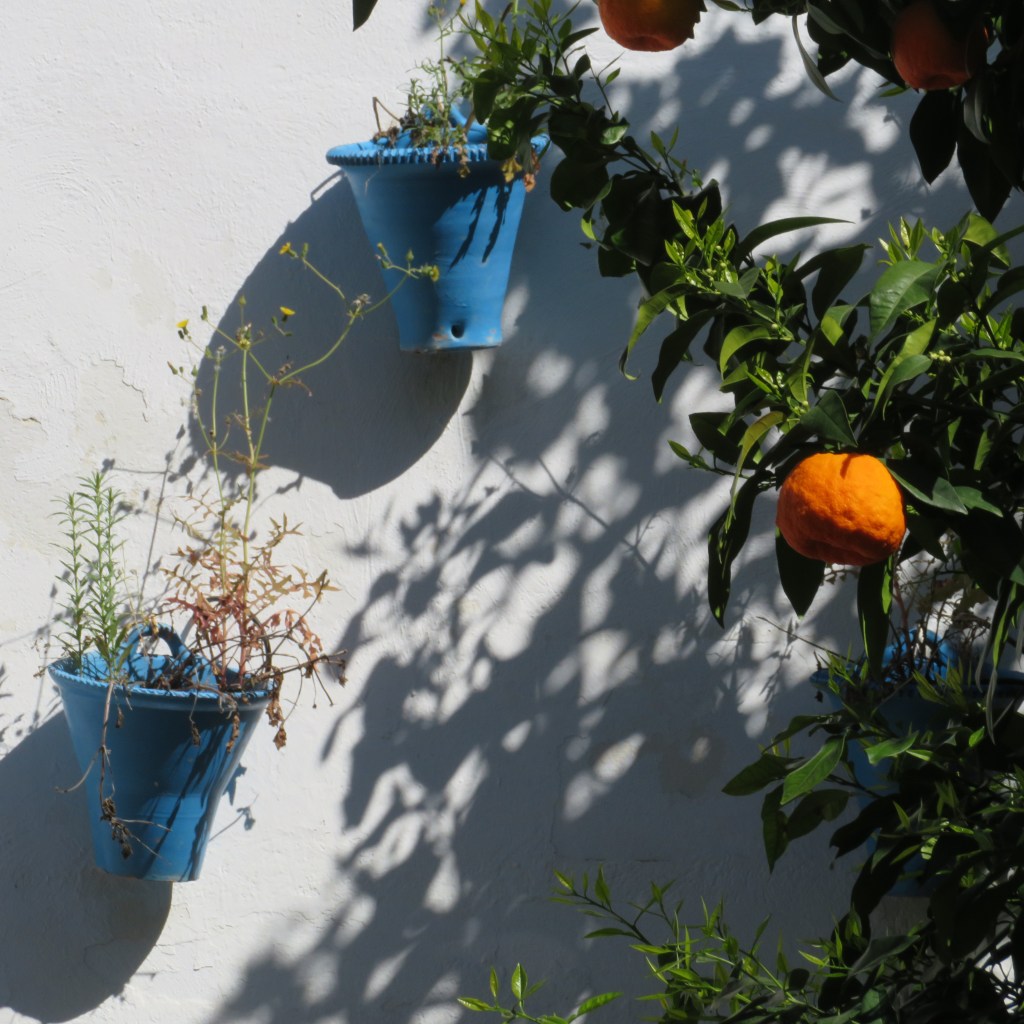
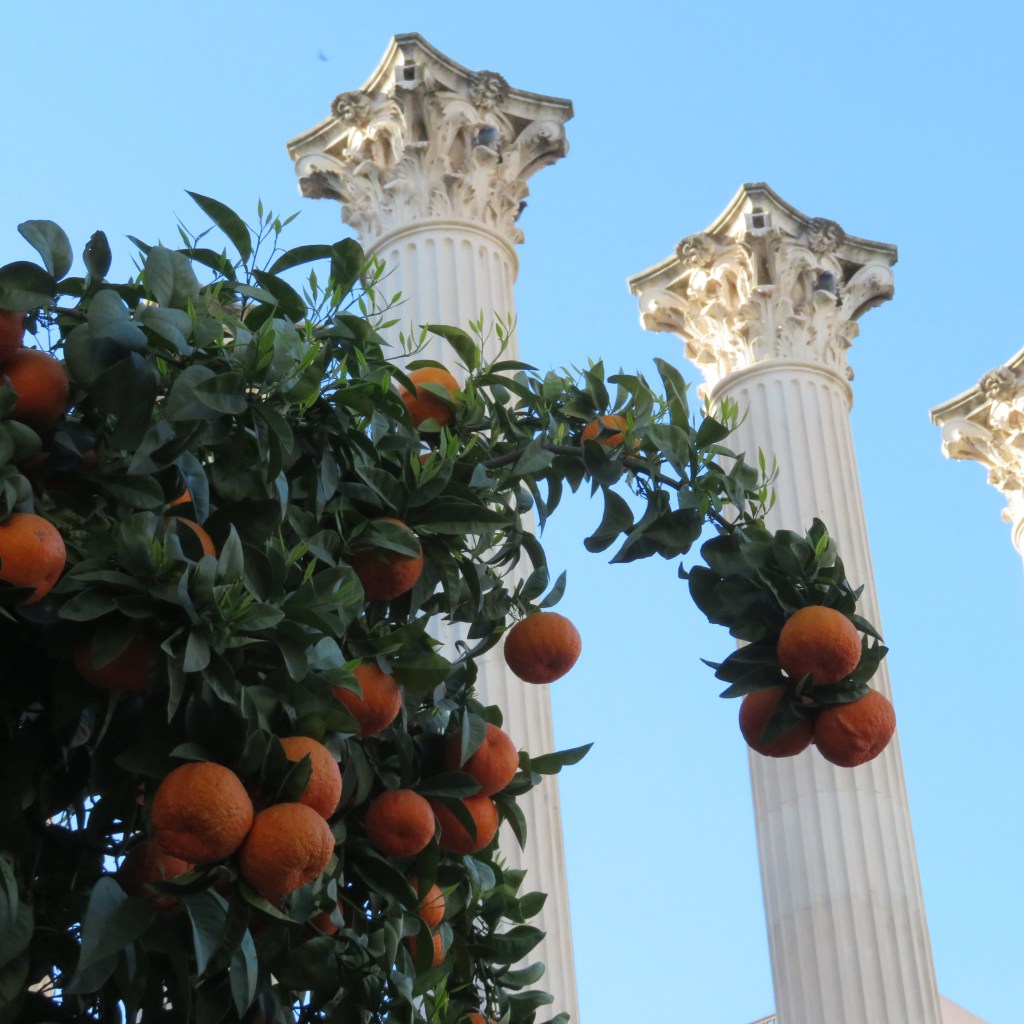
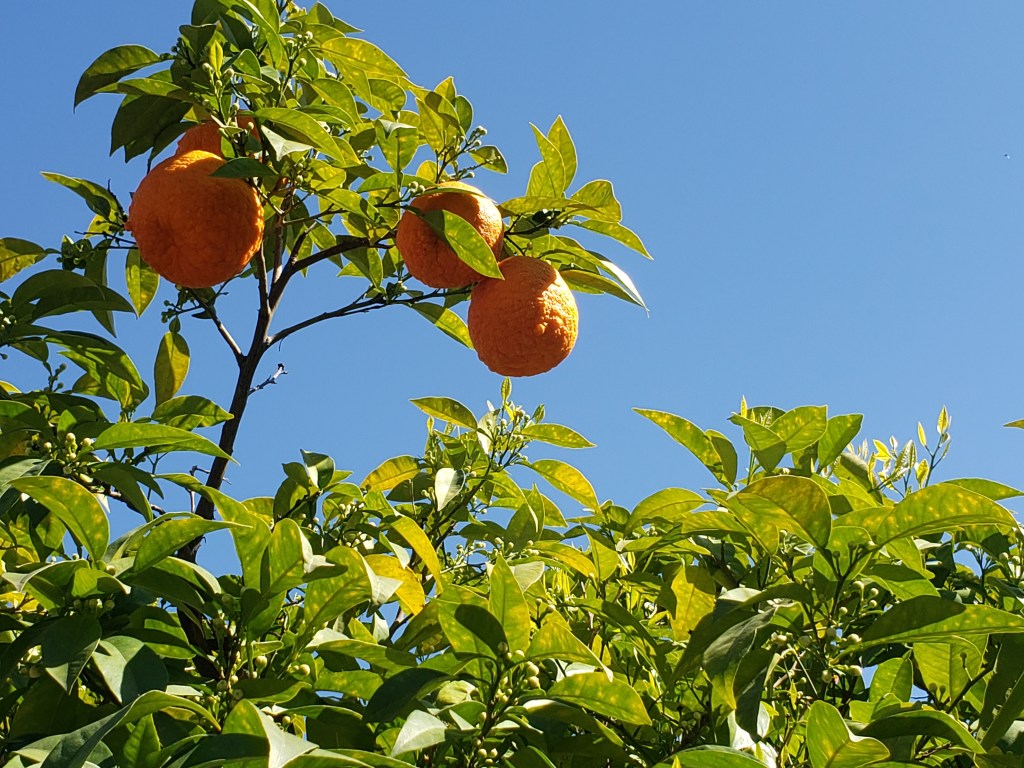
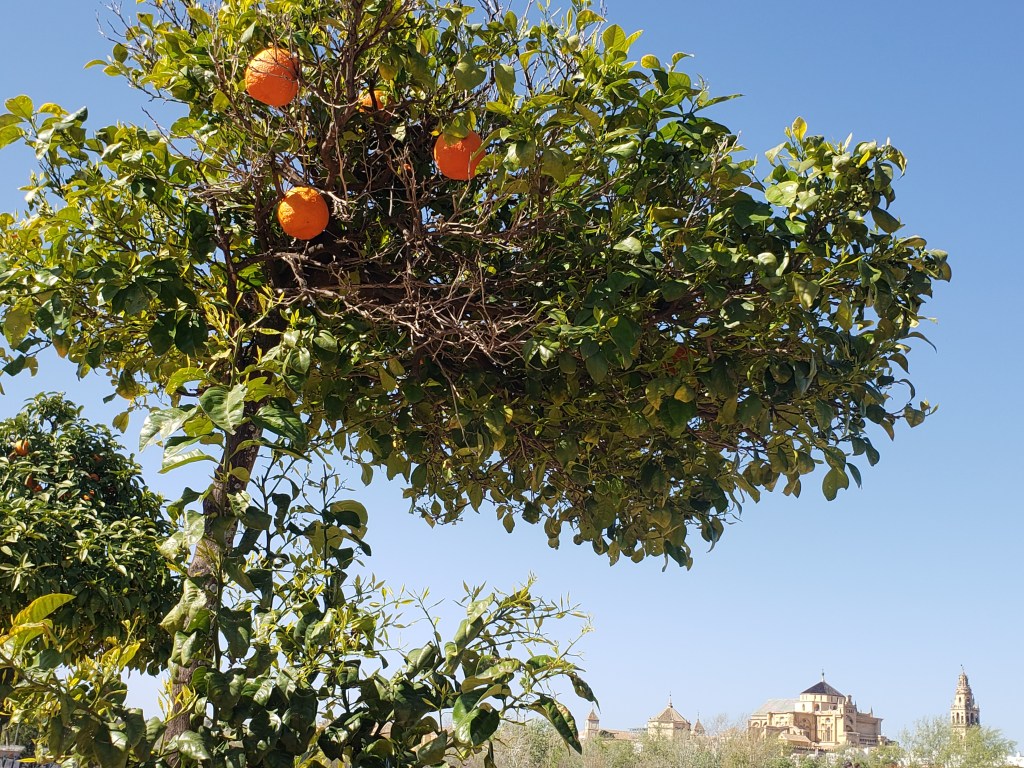
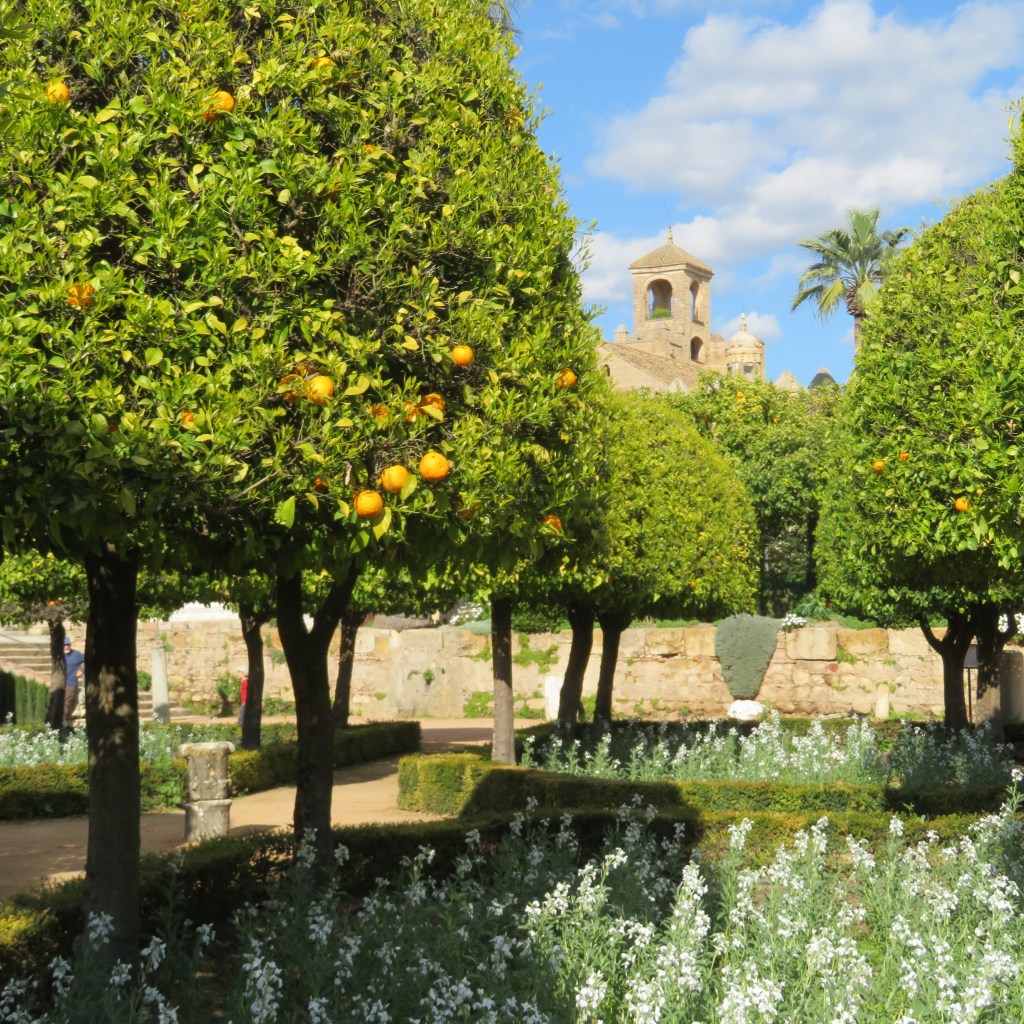
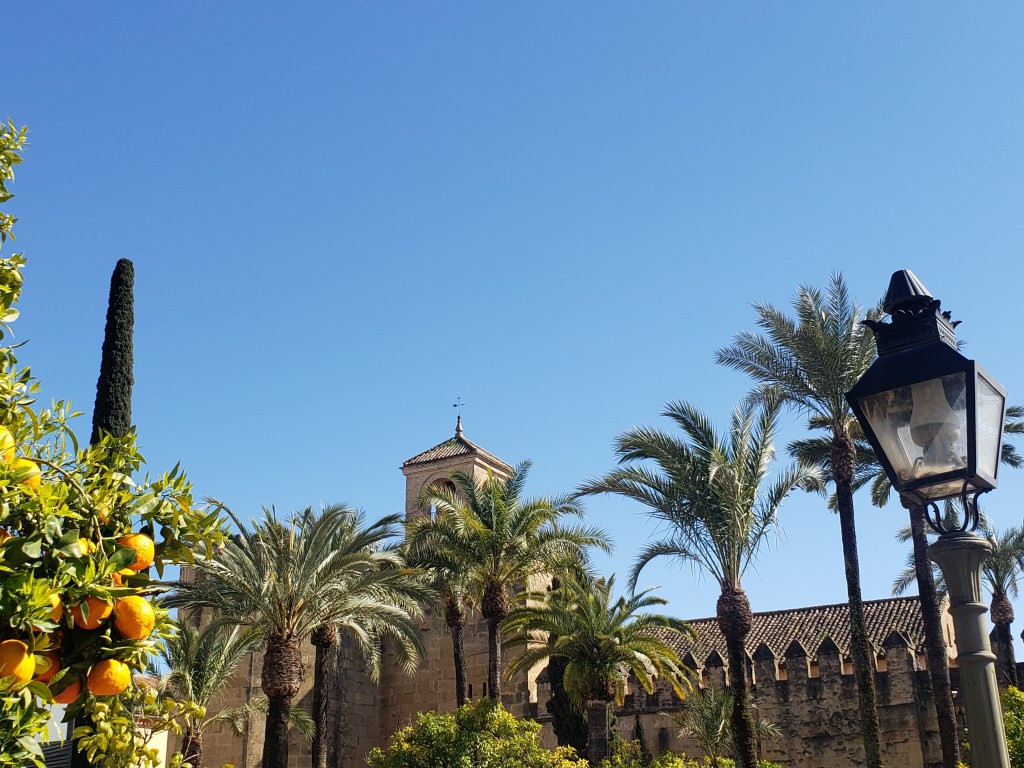
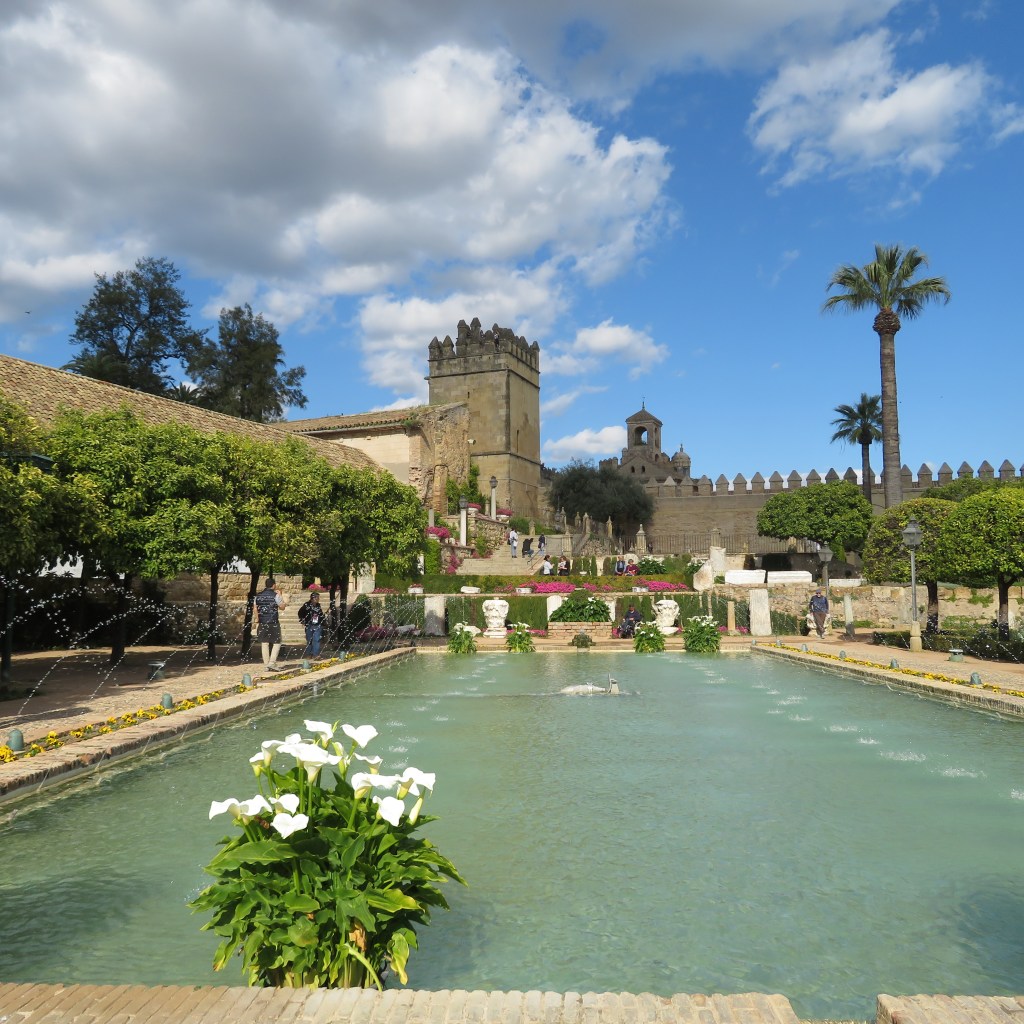
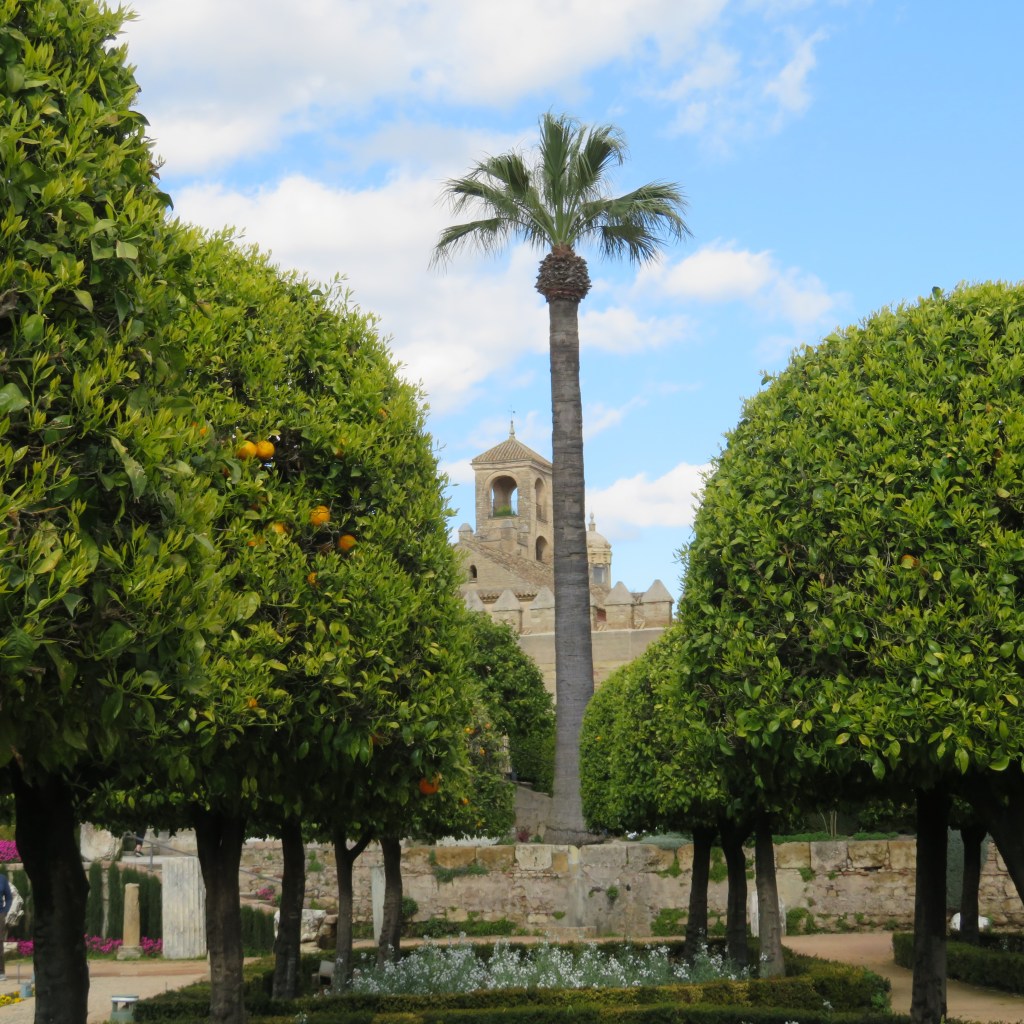
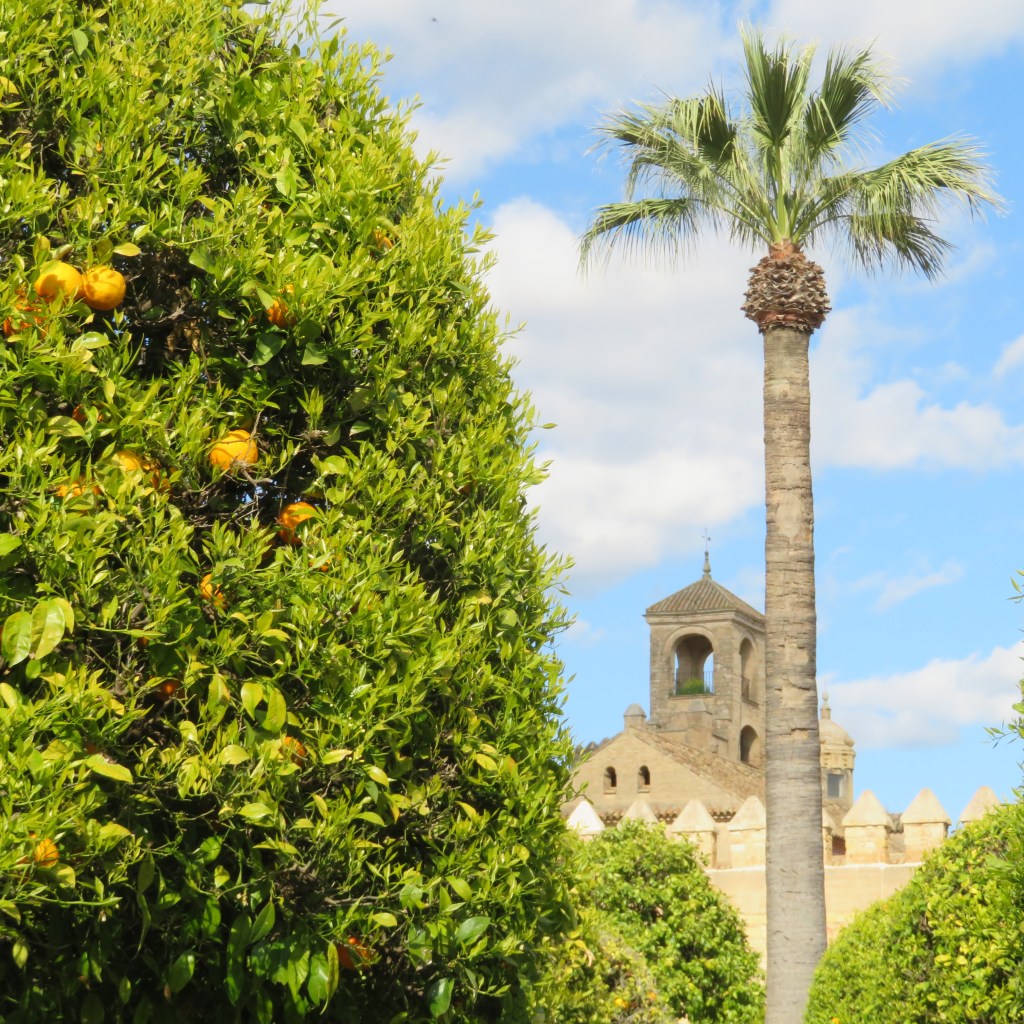
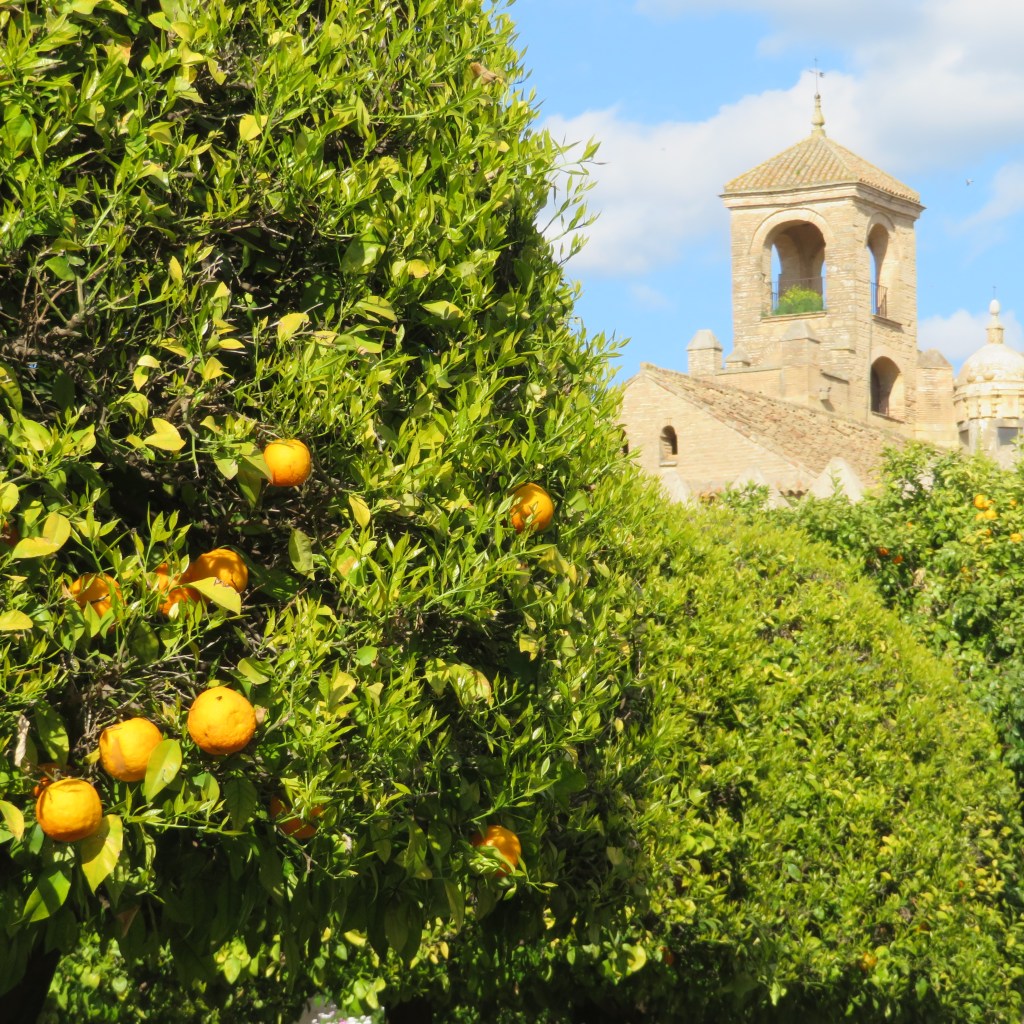
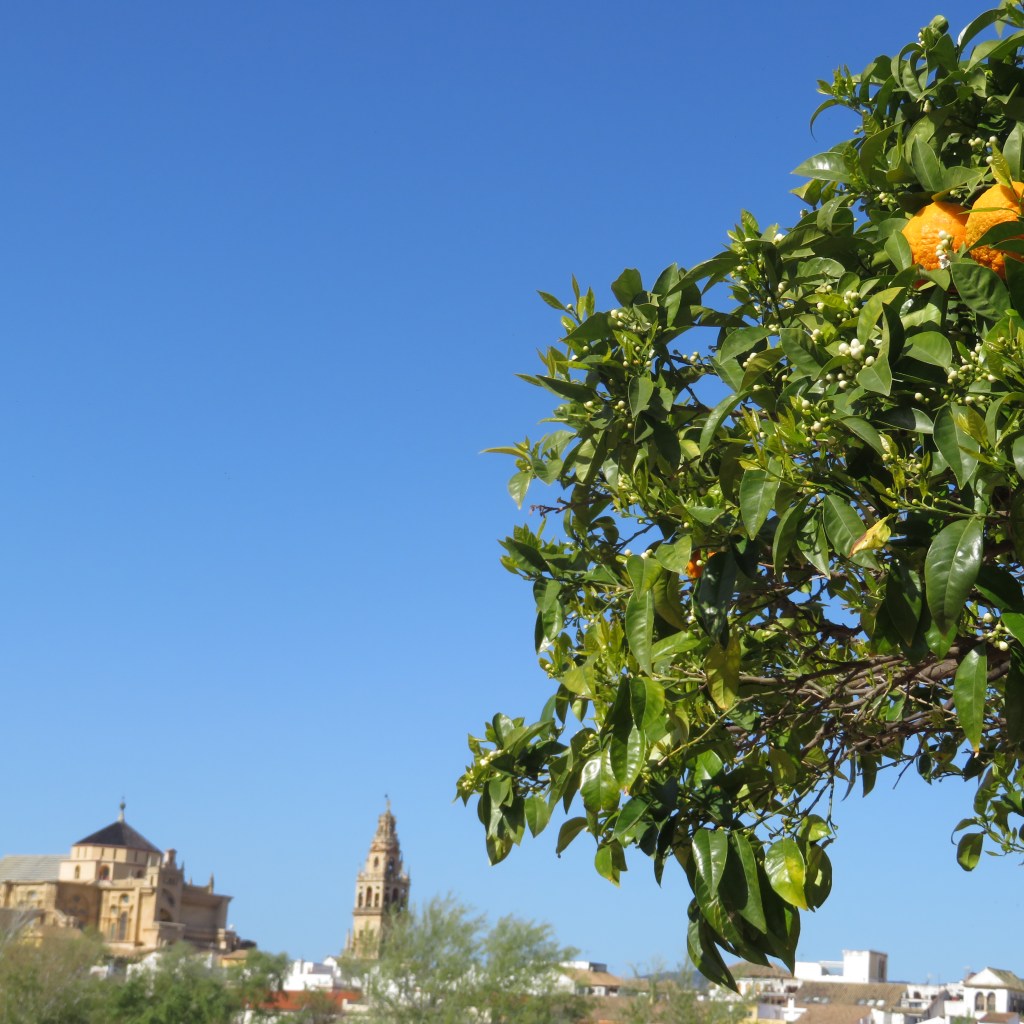
Photos and Credits – ALWP CEBP – The photos show windfall oranges I took home with me, an orange tree in full bloom, orange trees lining Calle San Francisco as they do along many such streets in Cordoba and Seville, Oranges trees against a backdrop of iconic sites in Cordoba (Alcazar de los Reyes Cristianos, Mezquita-Catedral, Plaza de las Tendillas, and Plaza Romano)
 Medicine Trees
Leave a comment