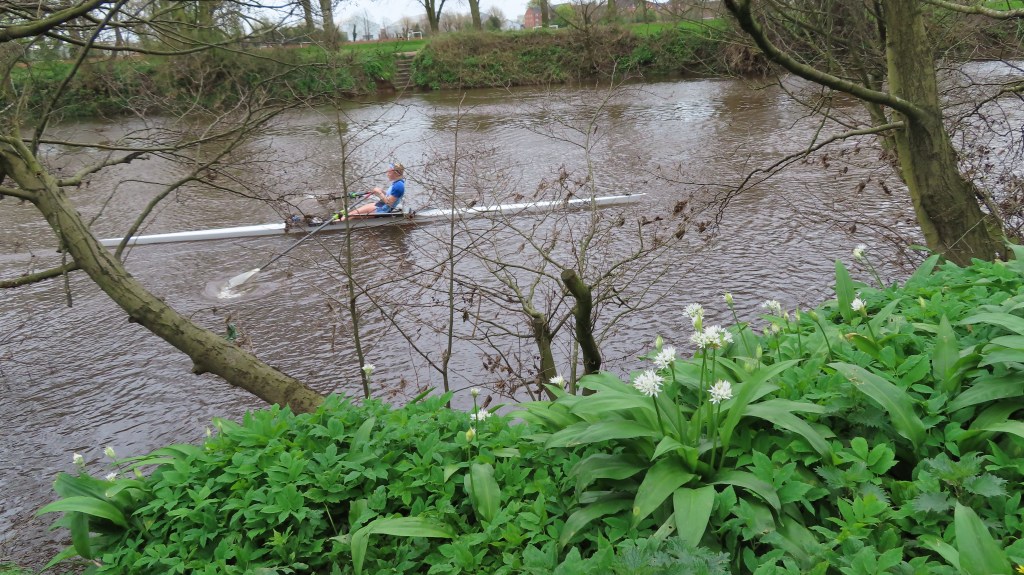
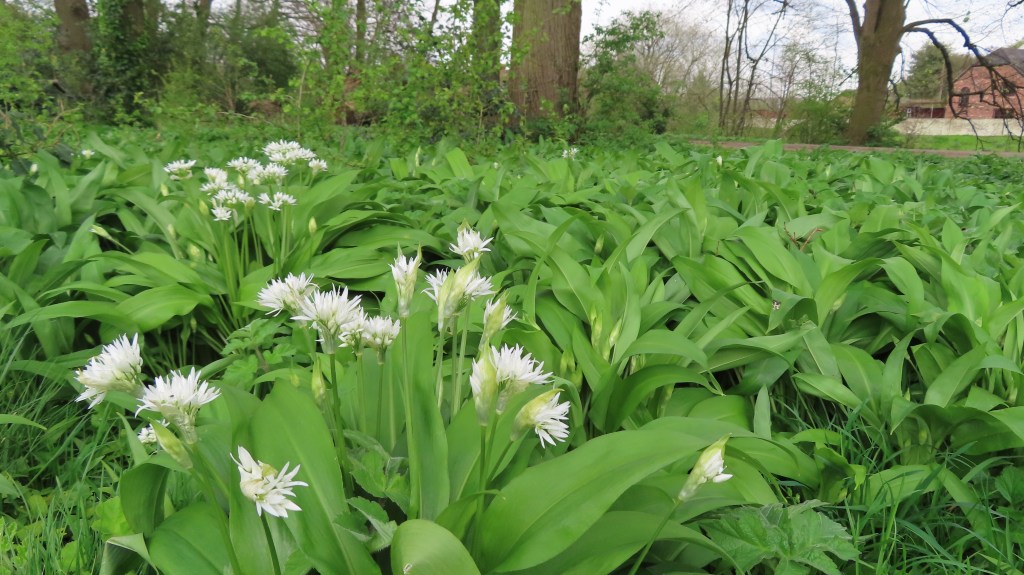
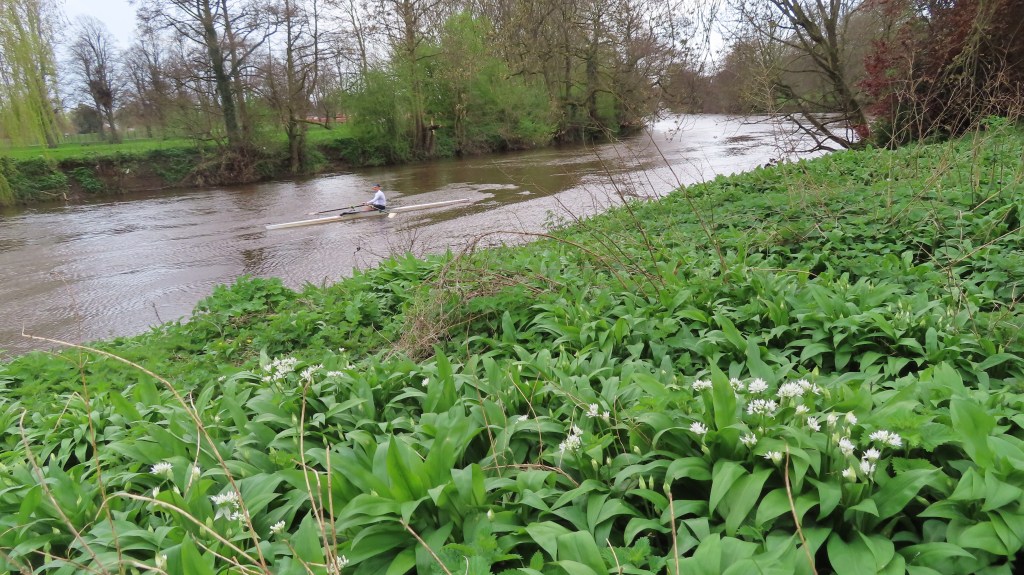
If you like the taste of garlic, you will love wild garlic, now in full season in woodlands and riverbanks in much of temperate Europe, including Britain. The plant, also known as ramson, and as Bear’s garlic and Ail des ours, both literal translations of the Latin name, is a real forager’s delight.
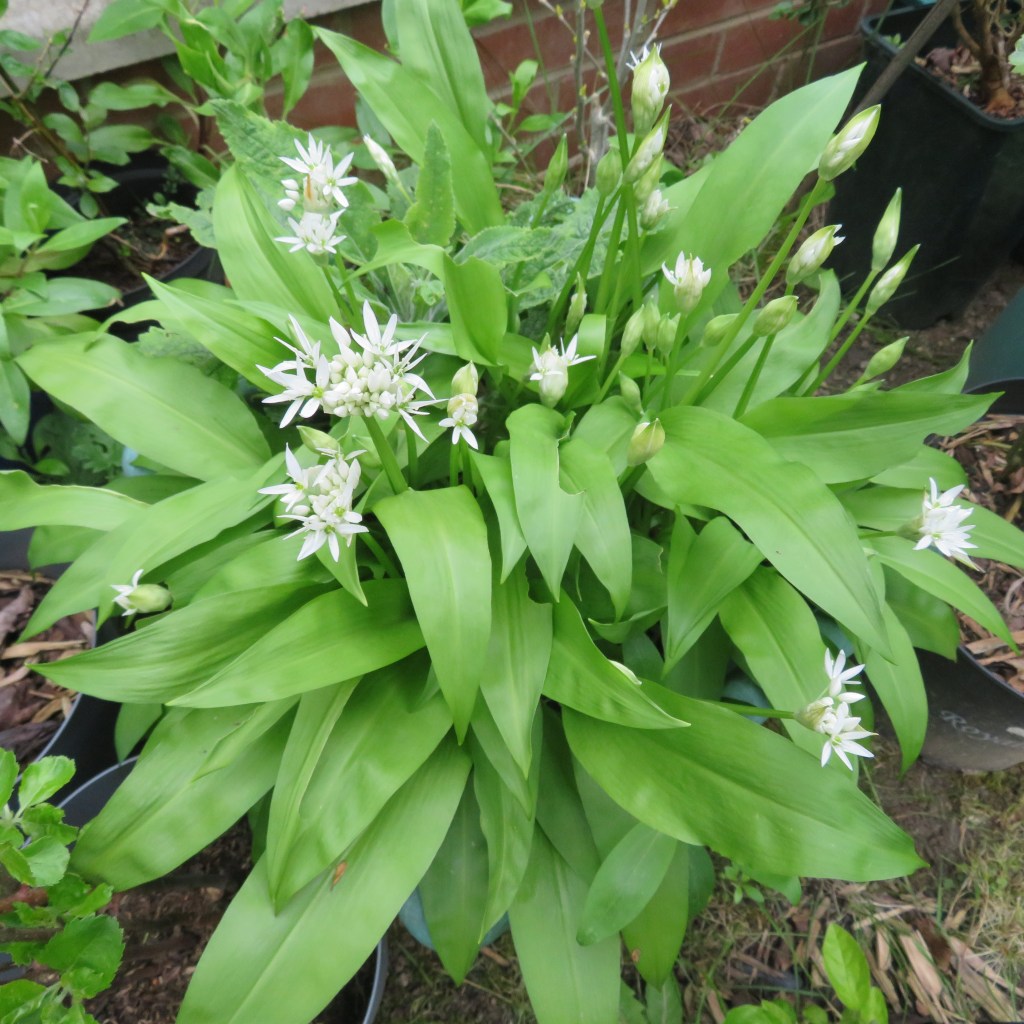
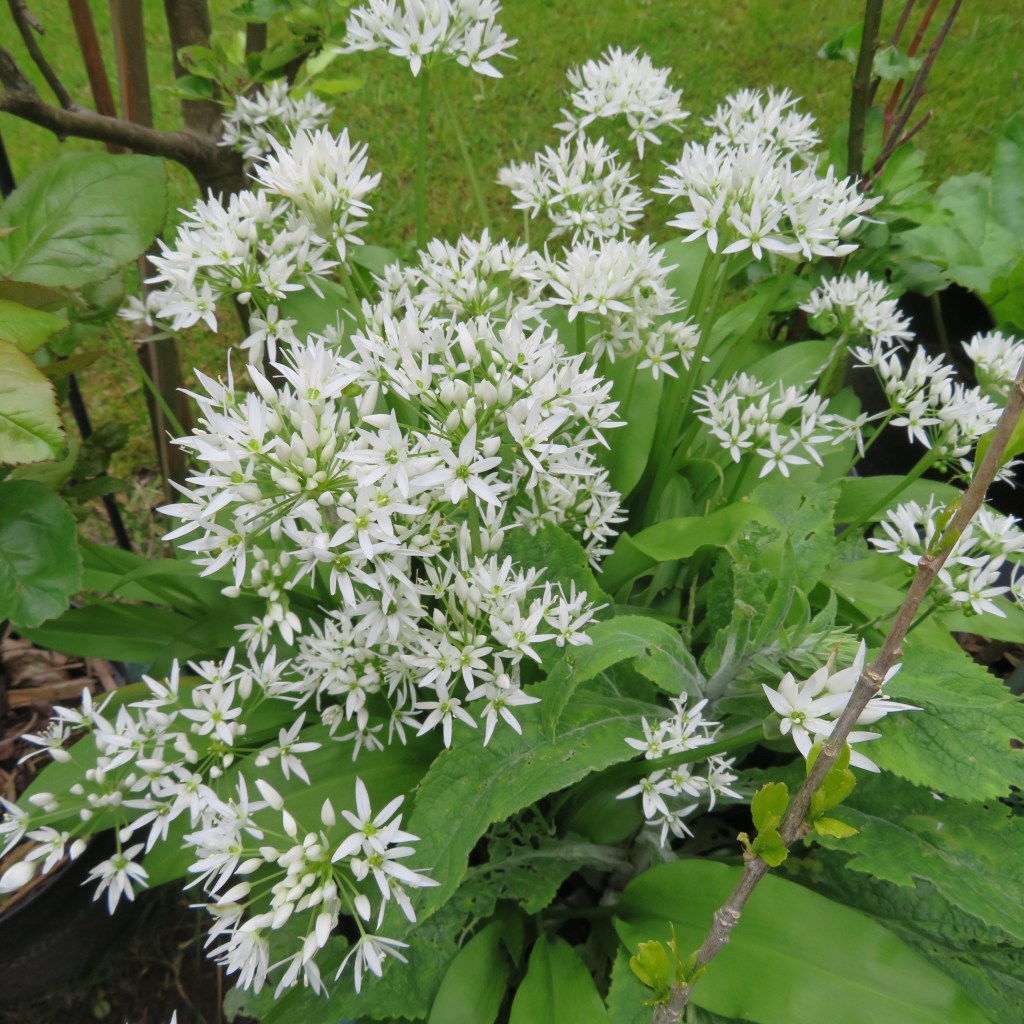
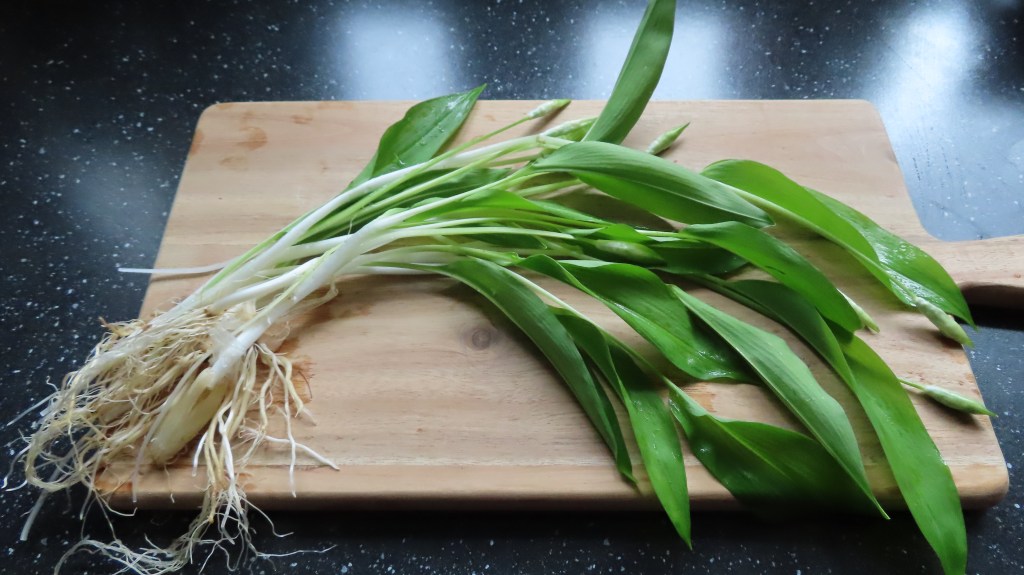
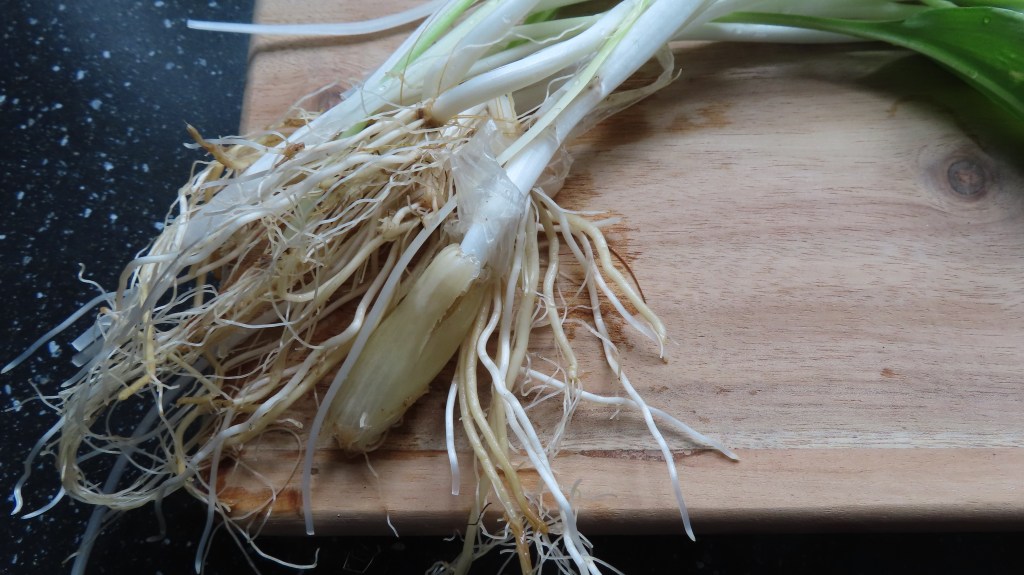
I took the first two photos on the banks of River Trent as it meanders through UNESCO Heritage Darley Park, Derbyshire, on 6th of April 2024 and the others in my garden last May. Also shown are photos taken on 9th April 2024 of the freshly picked plants ready to be made into an olive pesto. The whole plant is edible. The leaves make wonderful stir-fries and flavoursome additions to salads, and soups. Unlike conventional garlic (Allium sativum), its bulbs are very small even in the autumn and are best used whole in cooking. It is said that cows that graze on the plant produce garlic-flavoured milk.
The ancient Romans called the plant the healing herb (Herba salutaris) and through history it has been used for a variety of ailments including respiratory, cardiovascular, digestive, and dermatological problems. I prefer it as a food than as a medicine, but I recommend rambling through a field of wild garlic along a delightful riverbank in spring as rejuvenating therapy for all ages.
#TakingALeadFromNature #MedicineTrees #LongevityMedicines #MedicinalHerbs #MedicinalPlants #HerbalMedicine #PlantMedicine #HerbalTeas #FolkloreRemedies #NaturalMedicines #RejuvenatingTherapy #AlliumUrsinum#Bear’sGarlic #AilDesOurs #WildGarlic #Ramson #Garlic #Pesto #GarlicSubstitute #Forager’sDelight #SpringForager
Photo Credit – ALWP and CEBP
 Medicine Trees
Leave a comment