Enjoying the transient beauty of flowers. The Japanese have a word for it – Hanami, a delightful custom that is said to date to the eighth century but is most likely much earlier in homo sapiens history. At first Hanami in Japan was a celebration of the beauty of plum blossoms to wipe away the winter blues. Today, In this custom is more closely associated with the Sakura, the cherry blossom.
The enjoyment of the beauty of our natural flora no doubt promotes better mental health. Such a healthy pastime for better health should be called floratherapy and its study and practice, floratherapeutics. Medicinal plants are of course widely used and as our previous posts show they are a rich source of potent medicines, from antidepressants and statins to anticancer drugs, antimalarials and pain-killers.
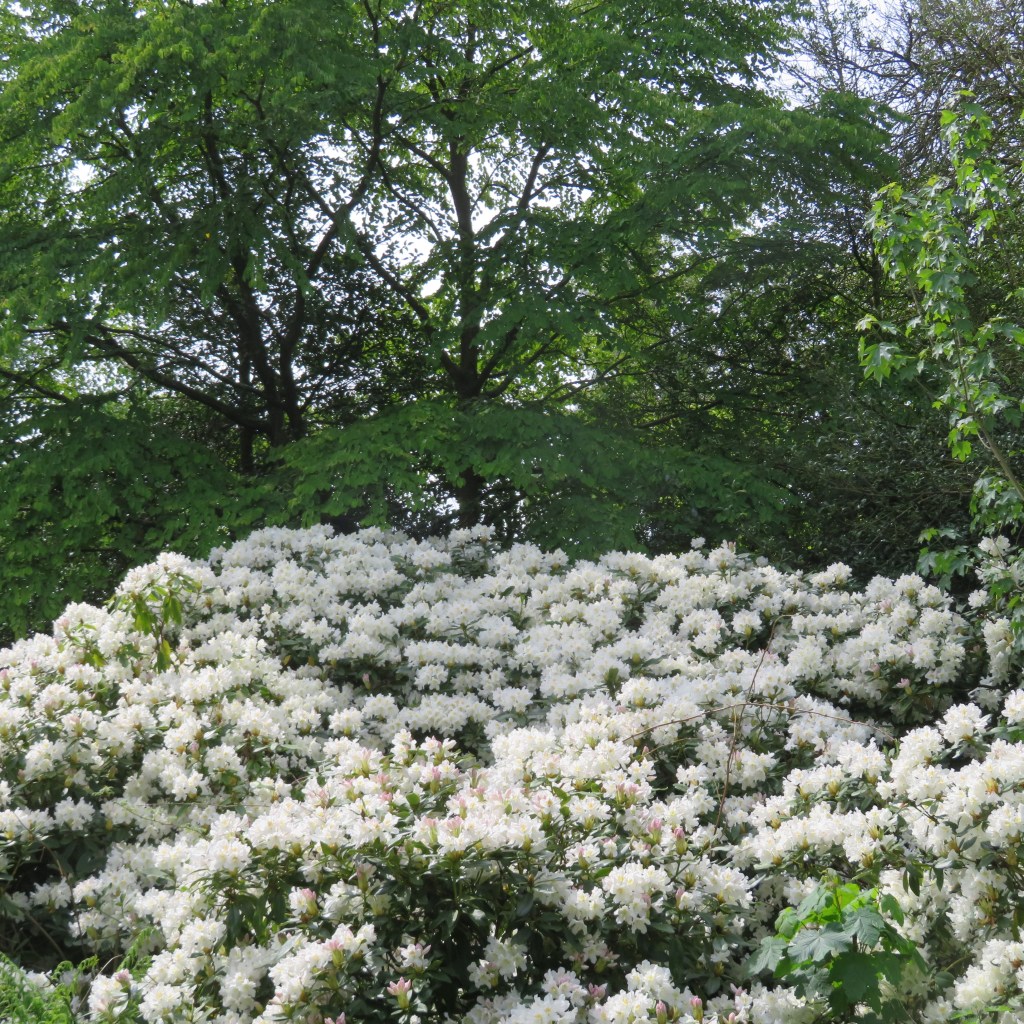
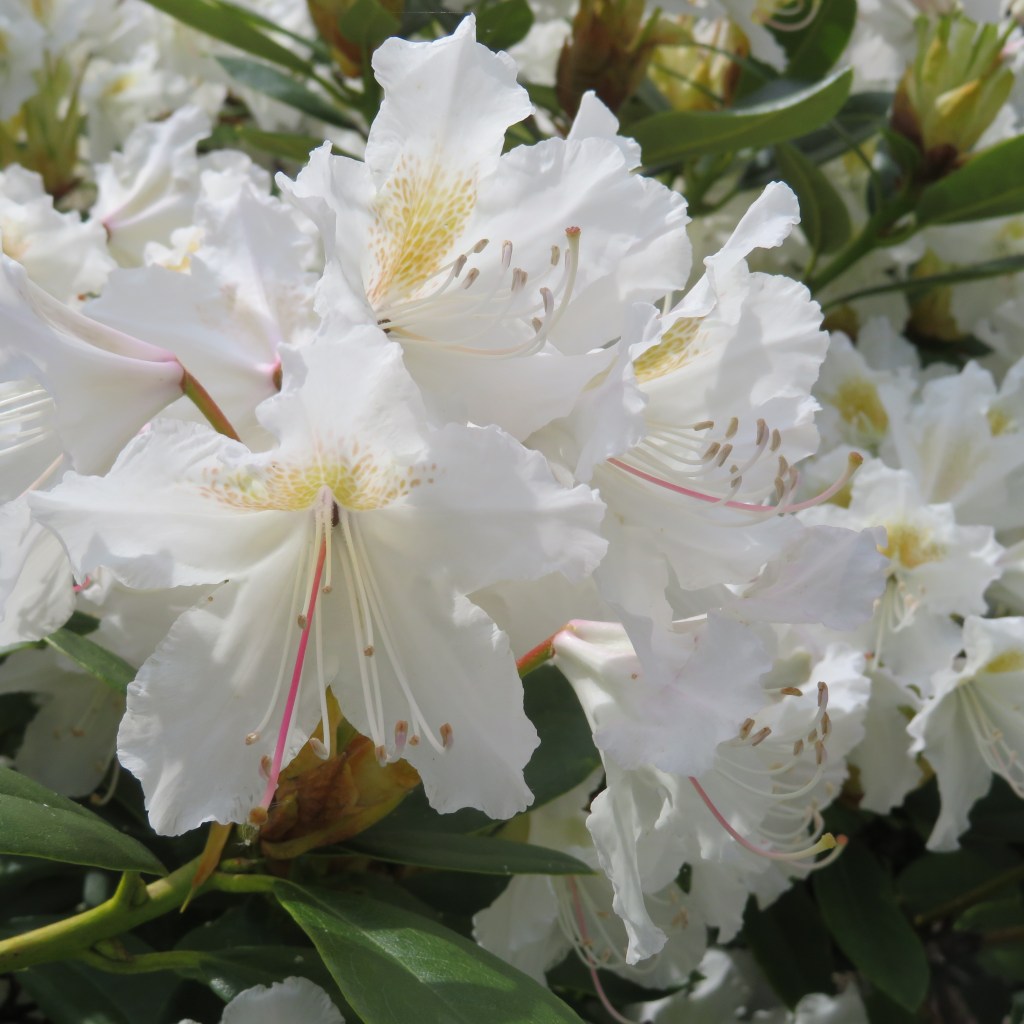
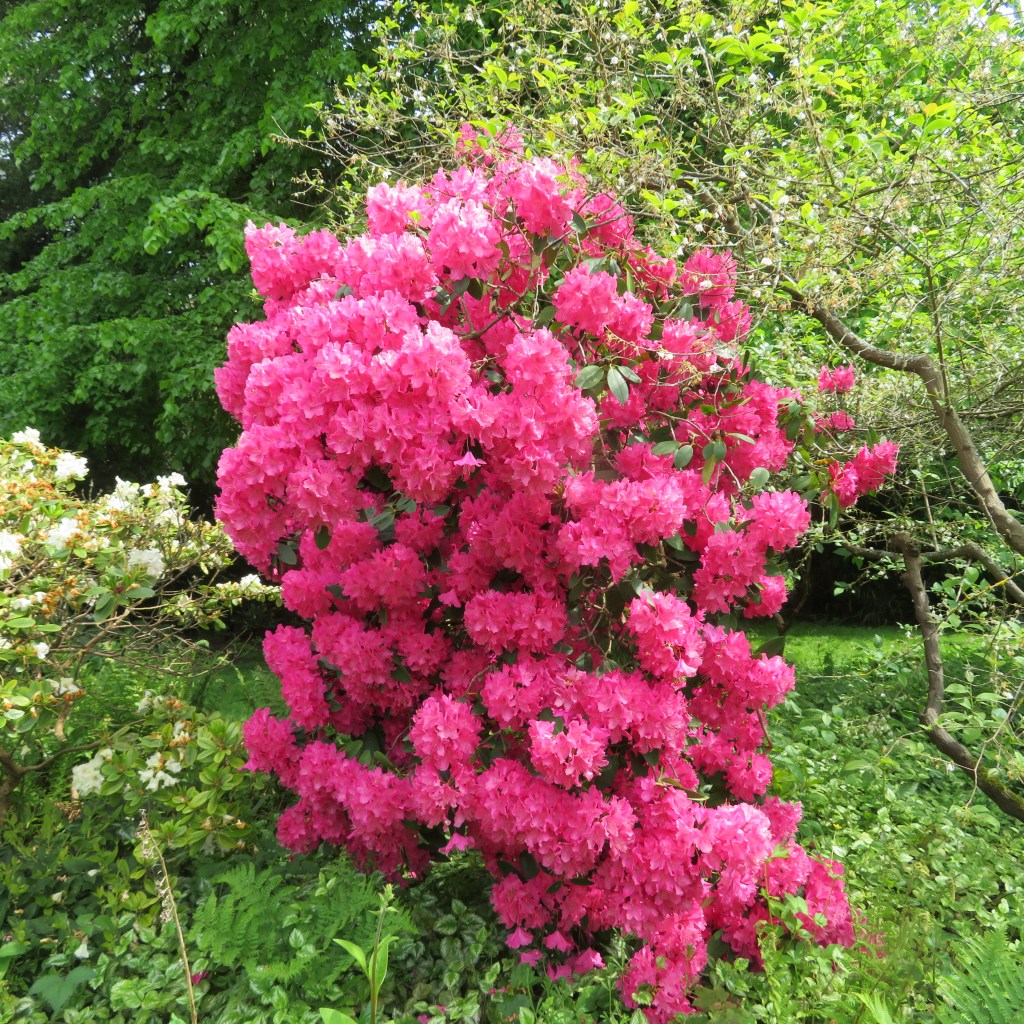
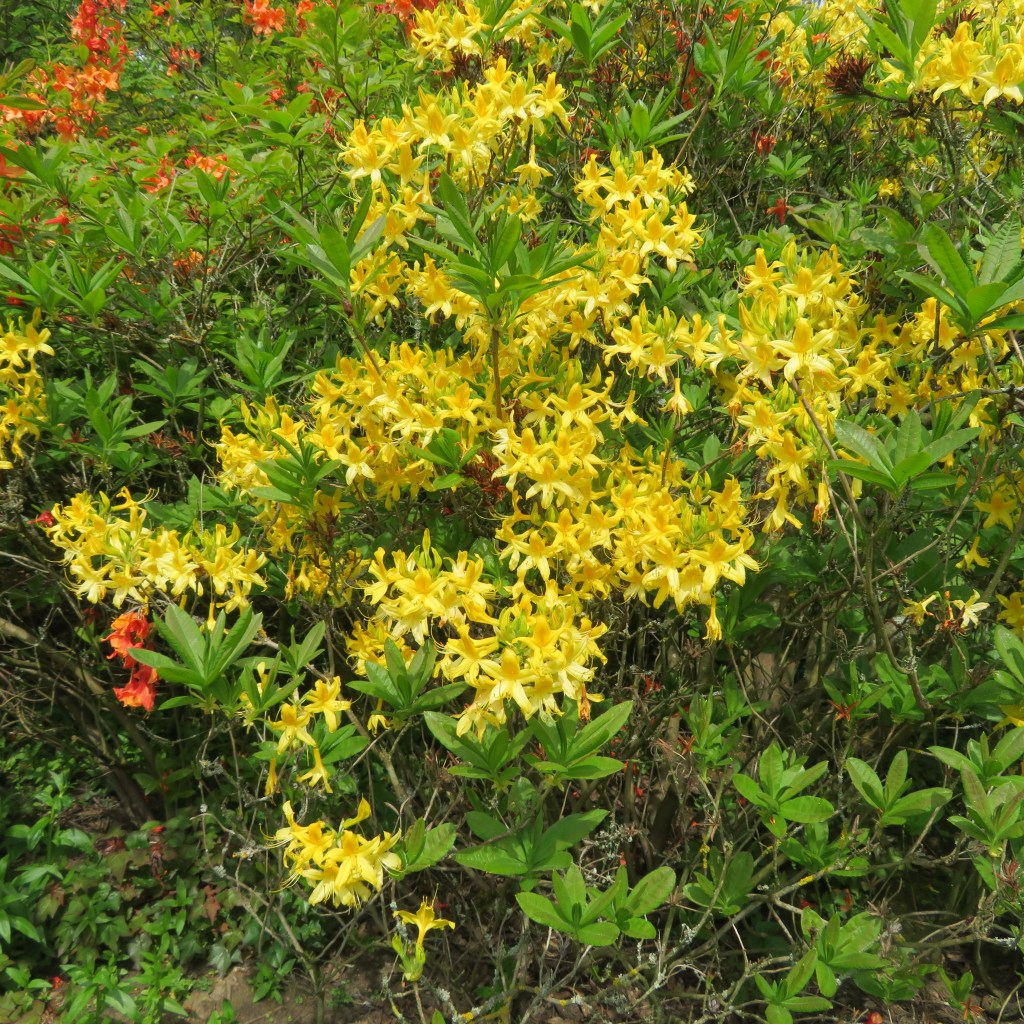
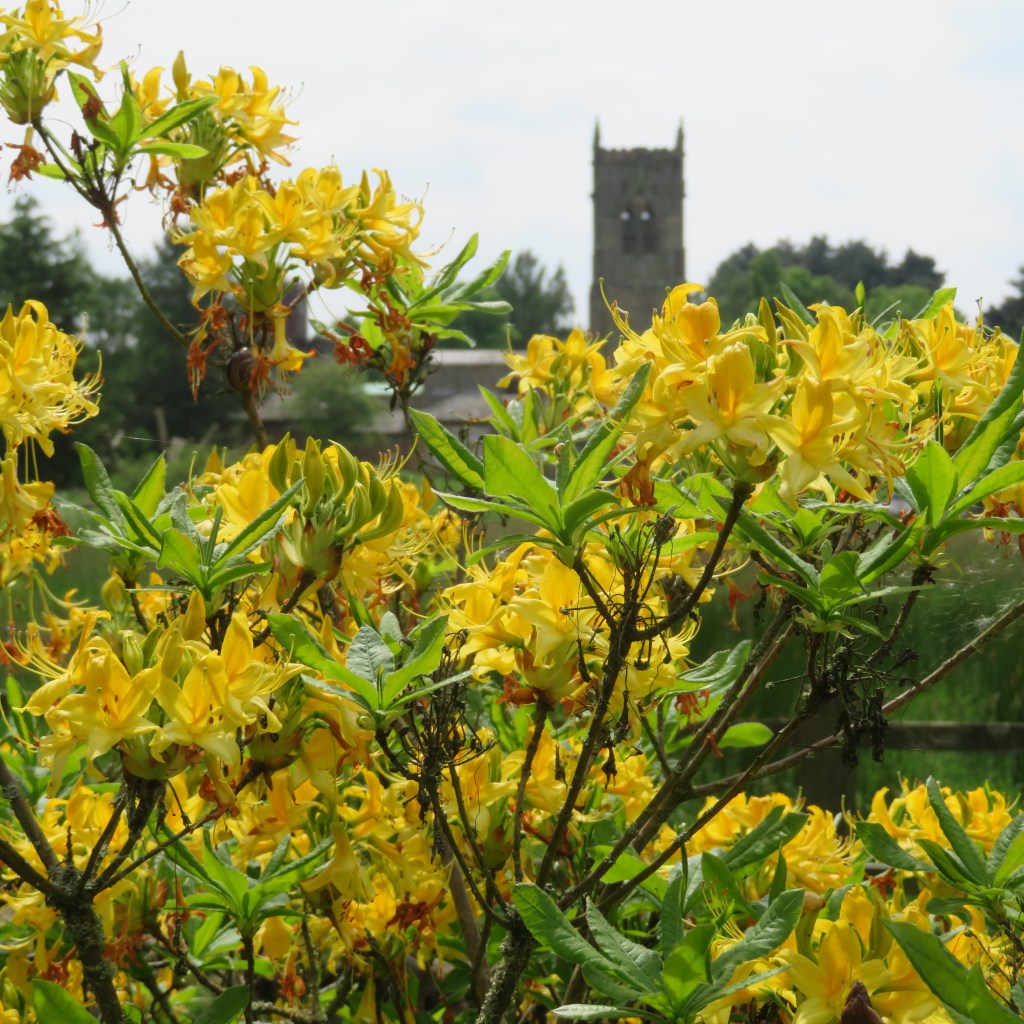
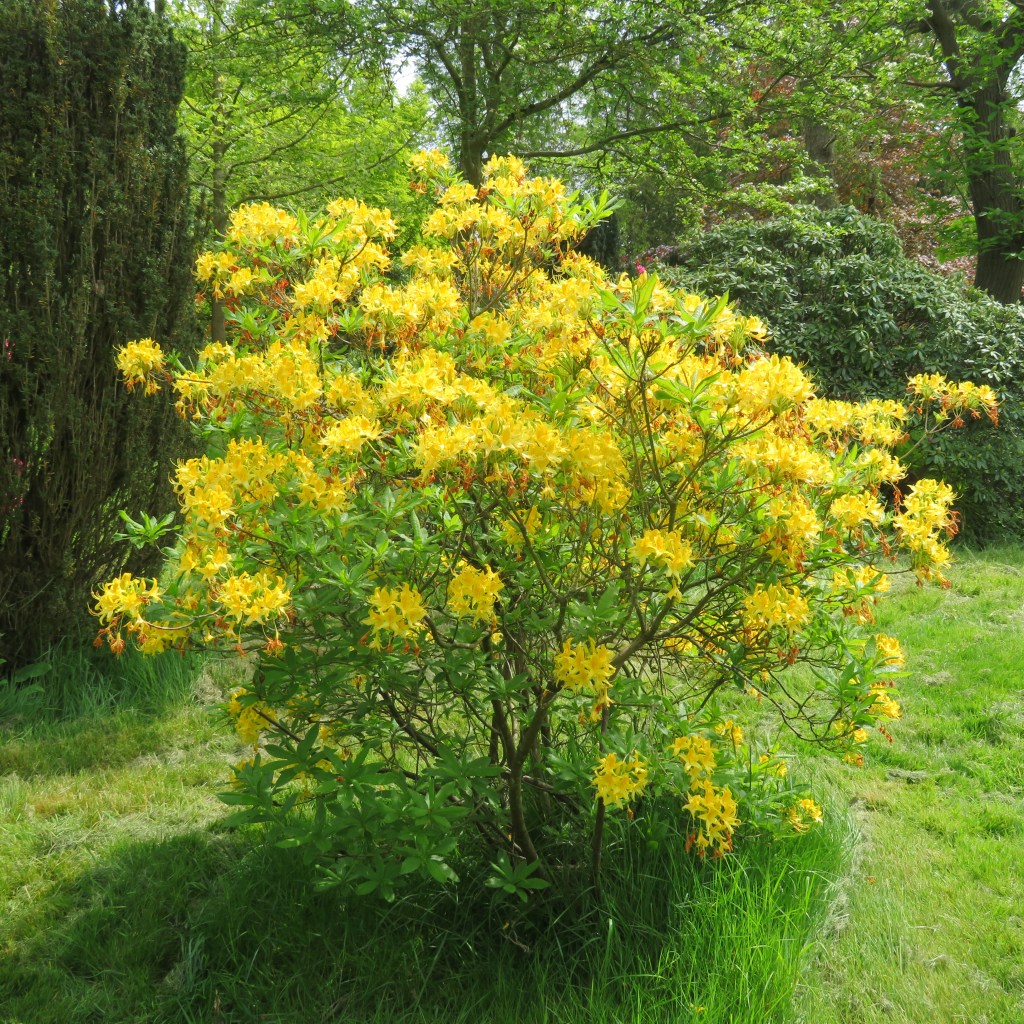
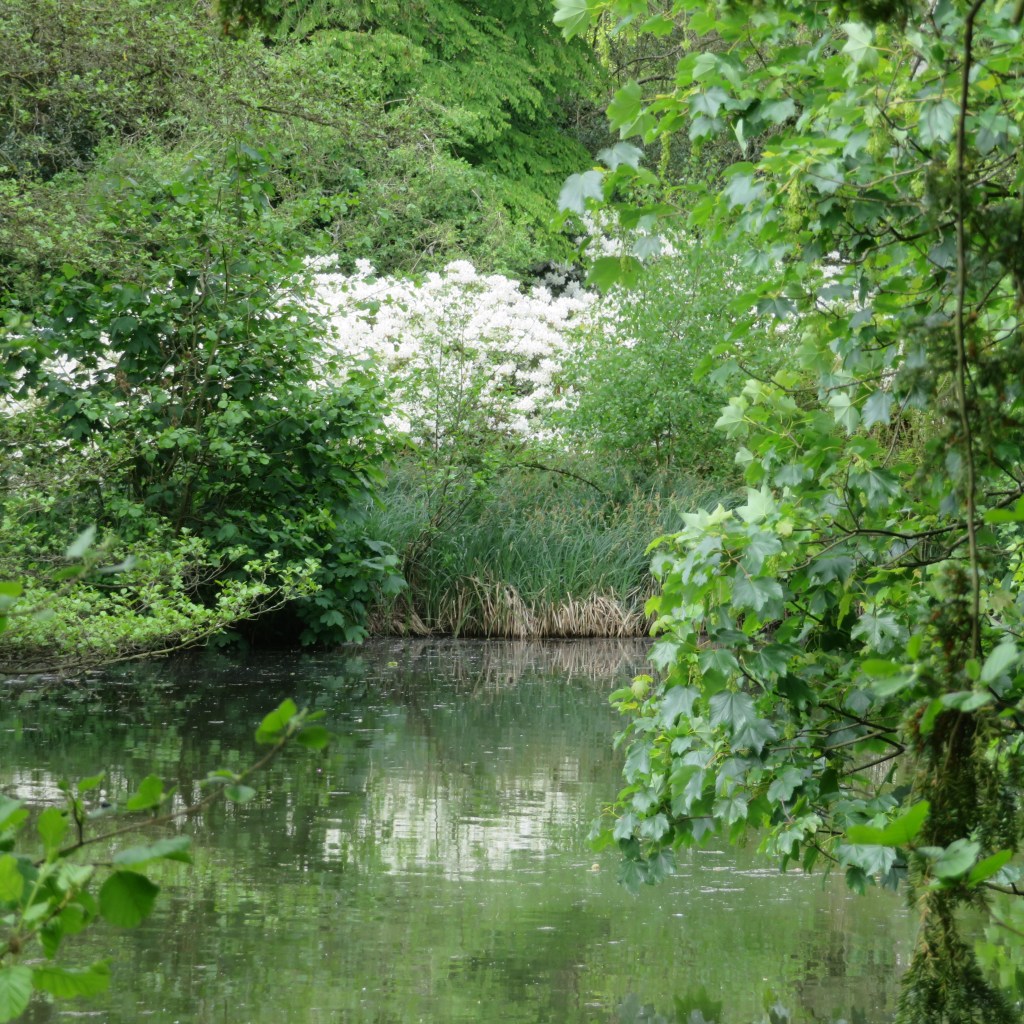
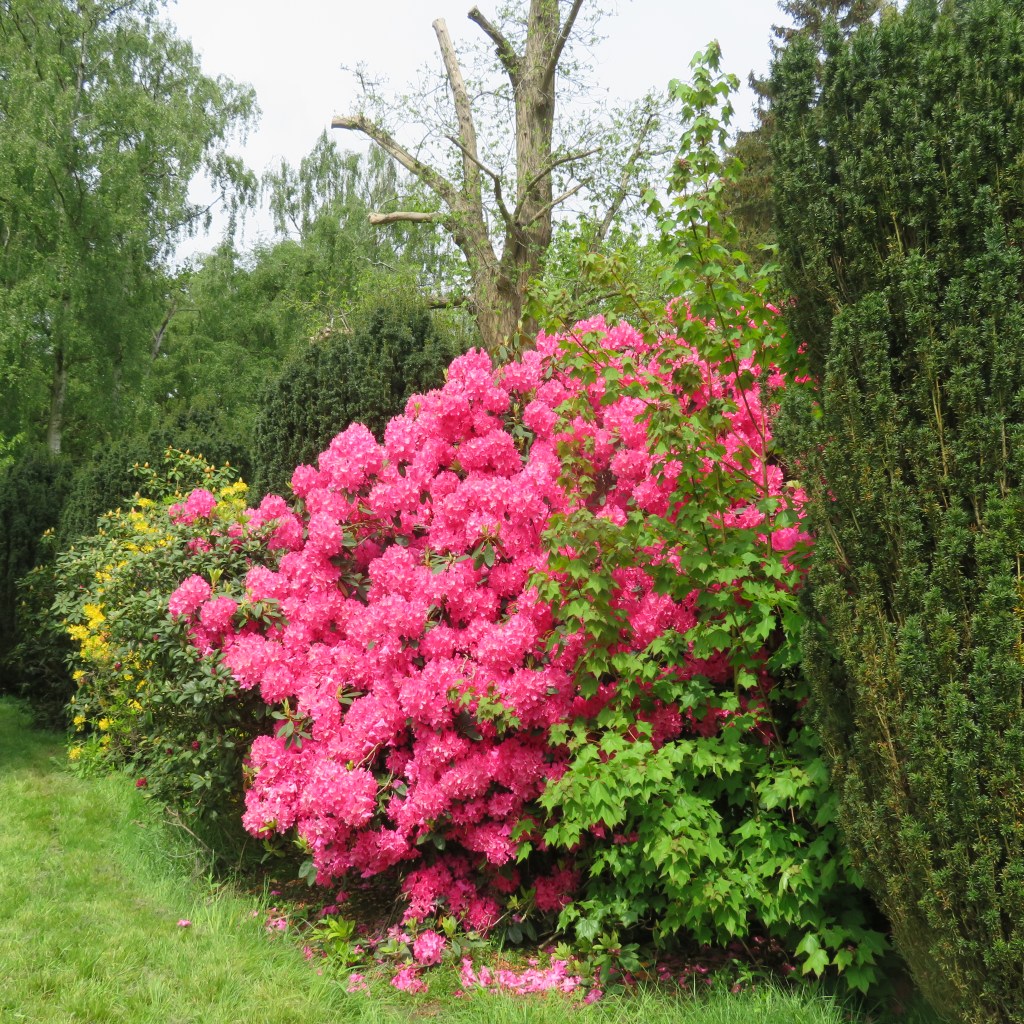
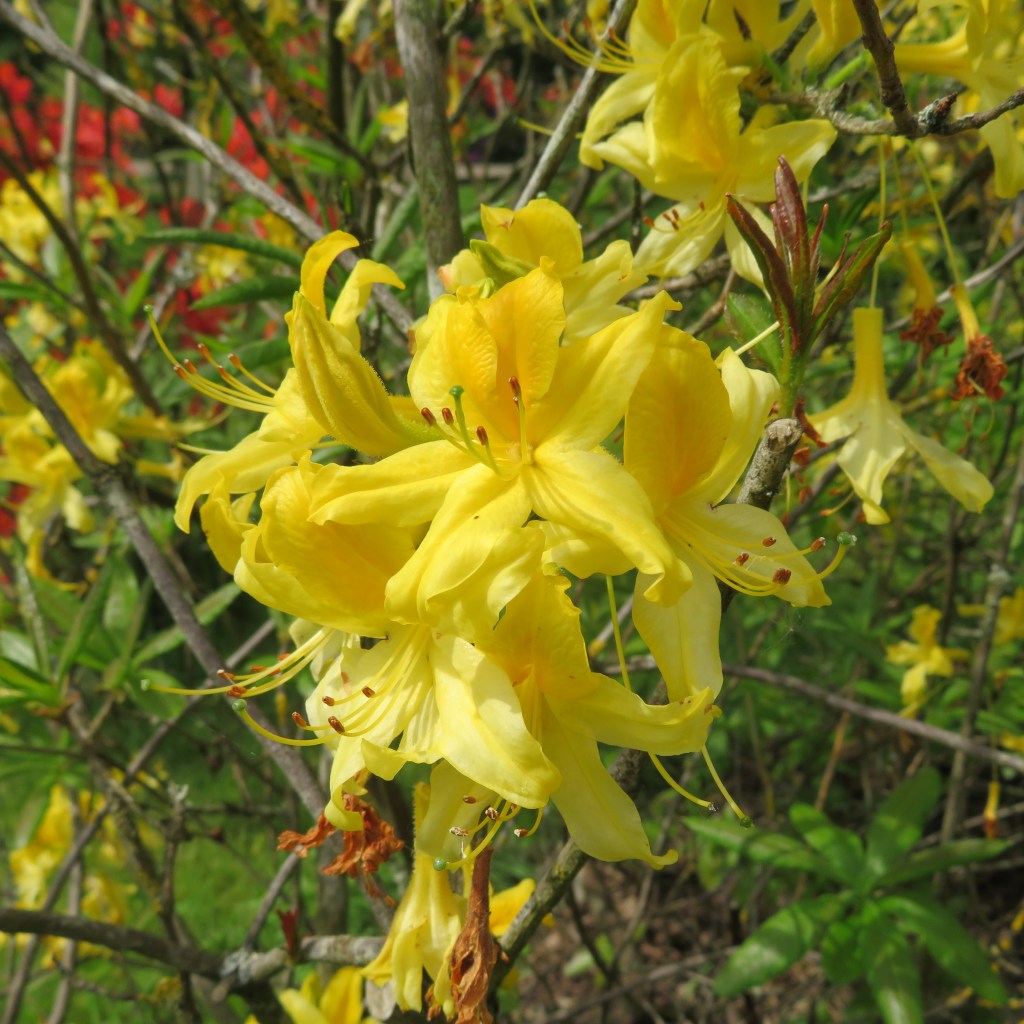
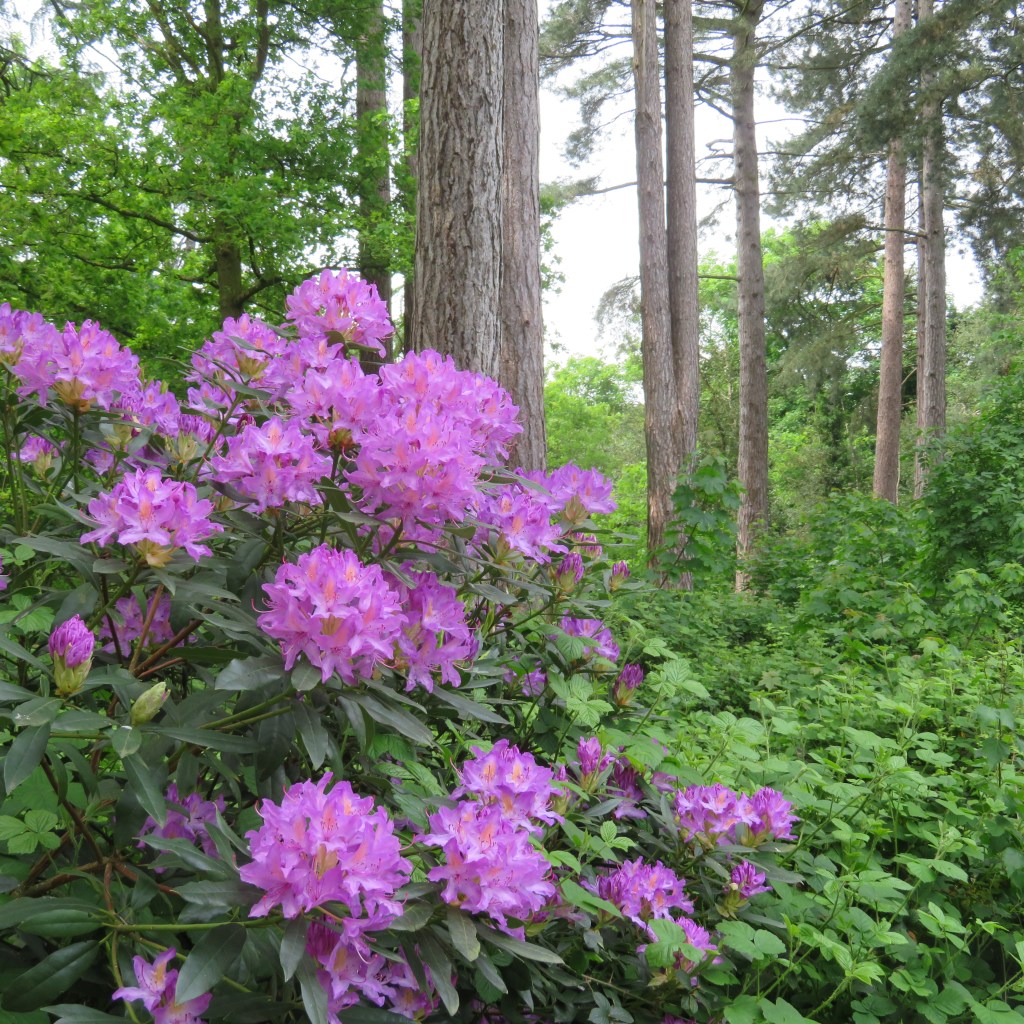
In Britain we have cherry blossoms in early spring (see our previous post), happily preceded by the understated snowdrops and the magnificent magnolias. But right now, in mid-May, the transient splendour of rhododendrons and azaleas are at their peak in the Azalea Garden of Elvaston Castle in the English East Midlands.
My photos cannot do justice to their resplendent beauty, nor, of course, to the intoxicating fragrance of some of the azaleas.
The rhododendrons and azaleas are of the same genus, Rhododendron. If the enjoying the beauty is health promoting eating the plants is not as both are toxic to both humans and pets. Honey harvested from bees specifically bred so that they feed largely on the flowers of the rhododendrons is used in Turkey and some other countries in the Black Sea region for its psychoactive properties derived from the plants’ toxins (andromedotxins). Perhaps its claimed usefulness for erectile dysfunction accounts for the regular cases of poisoning by the ‘special’ honey, also called ‘Mad honey’.
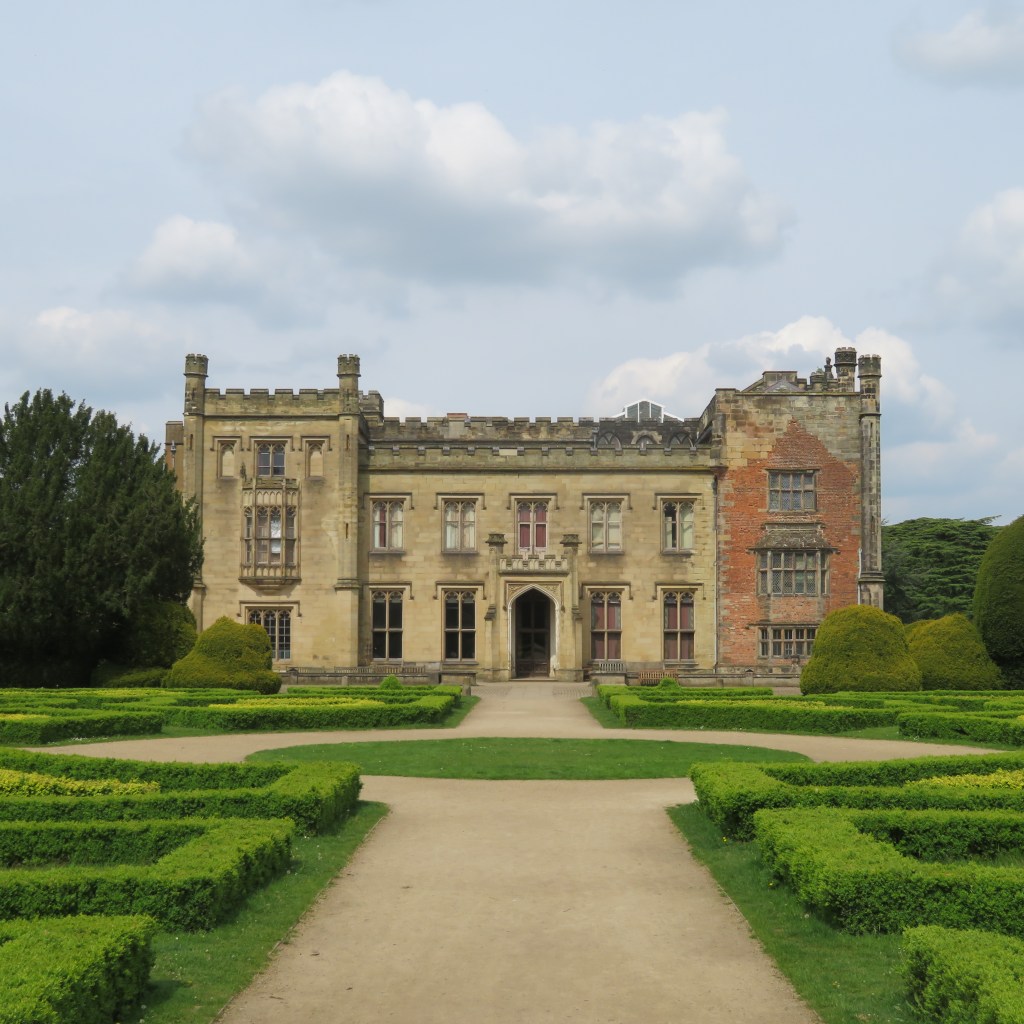
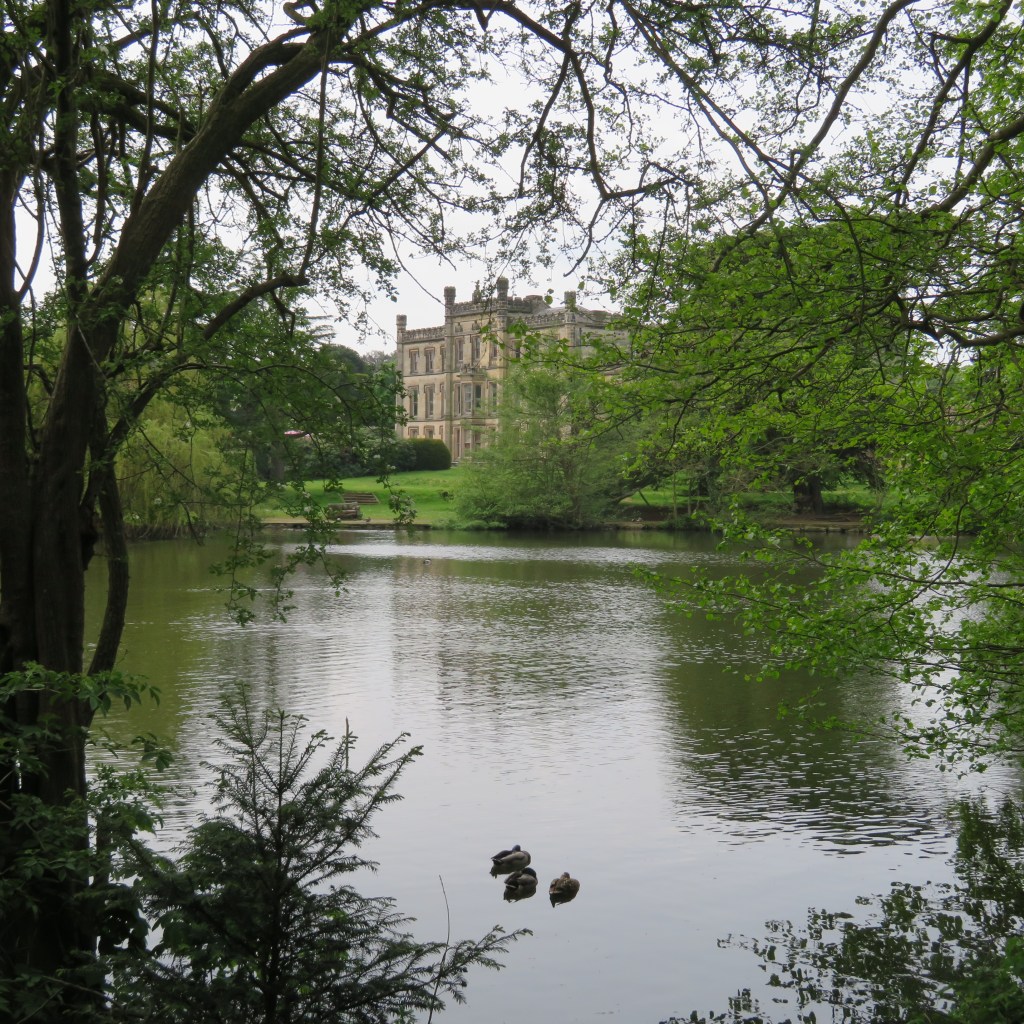
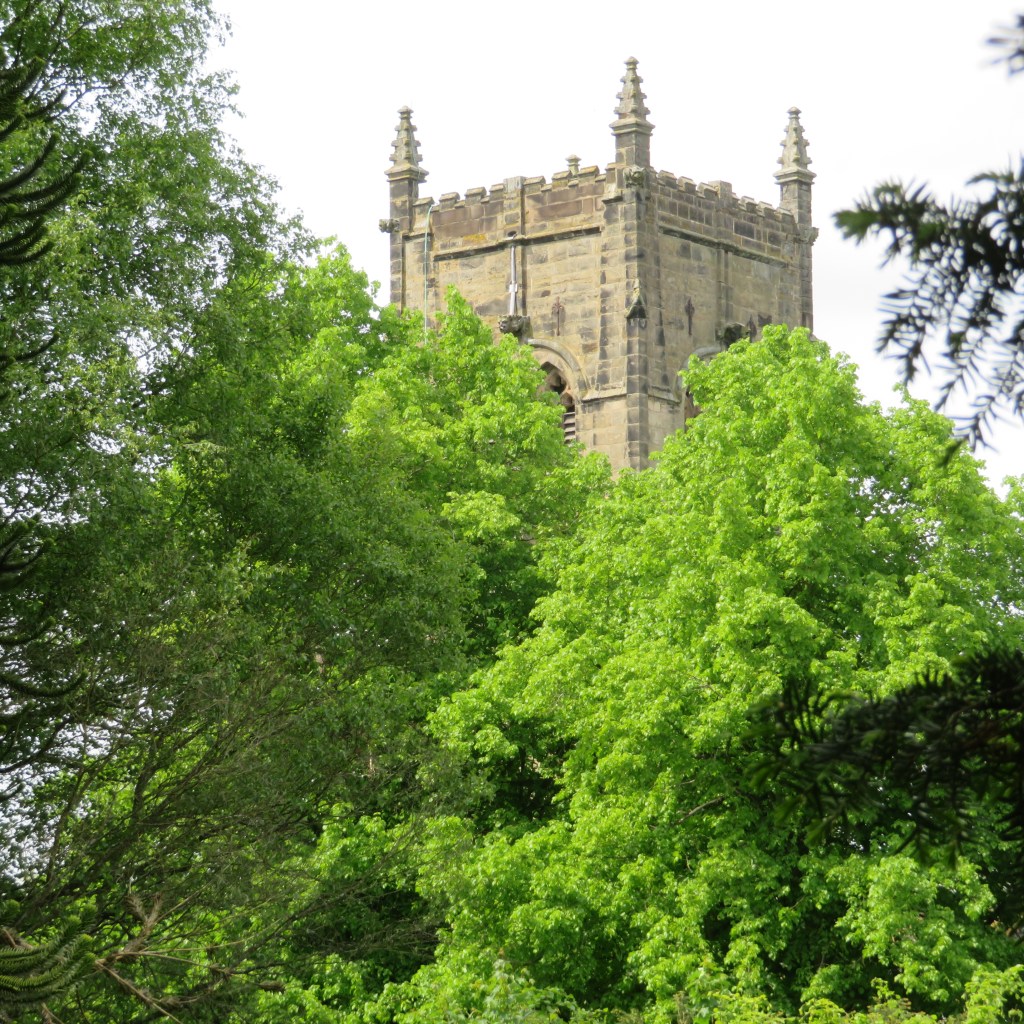
Before Henry VIII dissolution of the monasteries to fund his expensive campaigns, Elvaston Estate was a priory. The present Elvaston Castle built on plans drawn up in the late 18th century is an almost wholly reconfigured Jacobean ruin. The only section datemarked 1633 can be seen on the right of the south façade of the present building (Photo 1). The East façade is fronted by a wide tree-lined path that sweeps the outside world (Photo 2). One can imagine his Lordship’s carriage coming to fetch him at this East entrance.
The gardens as they stand were largely designed in the first half of the 19th century. Lancelot (Capability) Brown, famous for designing many stately gardens (e.g. Chatsworth House and Blenheim), declined a commission by the then Earl of Harrington to design Elvaston garden. He thought the estate lacked ‘capability’. The task went to William Barron, another famous English gardener, a happy choice as in my view the Elvaston Castle garden is, as a result much less formal and ‘Versailles’ than Capability’s many other gardens.
#Floratherapy #Floratherapeutics #Hanami #NaturesMedicines #MedicinalPlants #MedicineTrees #TCM @MedicineTrees2023 #Rhododendron #Azalea #CherryBlossom #Sakura #MadHoney #ADR #PlantPoisoning #Honey #Aromatherapy #PlantPoisons #Andromedotoxins #Psychoactives #Psychedelics #ErectileDysfunction #MadHoney
Photo Credits – Alain Li Wan Po CEBP

 Medicine Trees
Leave a comment