The root of the valerian (Valeriana officinalis) is one of the most widely purchased herbal remedies in many countries, including Britain, the US and much of Europe, for sleep disorders, anxiety, and for what one 19th century herbalist called low-spiritedness. However, for most people what we know as valerian is not Valeriana officinalis but a plant from another genus (Centranthus rather than Valeriana) of the same family (Caprifoliaceae). The type-genus of this family is the Lonicera (Honeysuckle), and for this reason the Caprifoliaceae is referred synonymously as the Honeysuckle family, species of which, many, notably the Chinese, use widely as a traditional medicine.
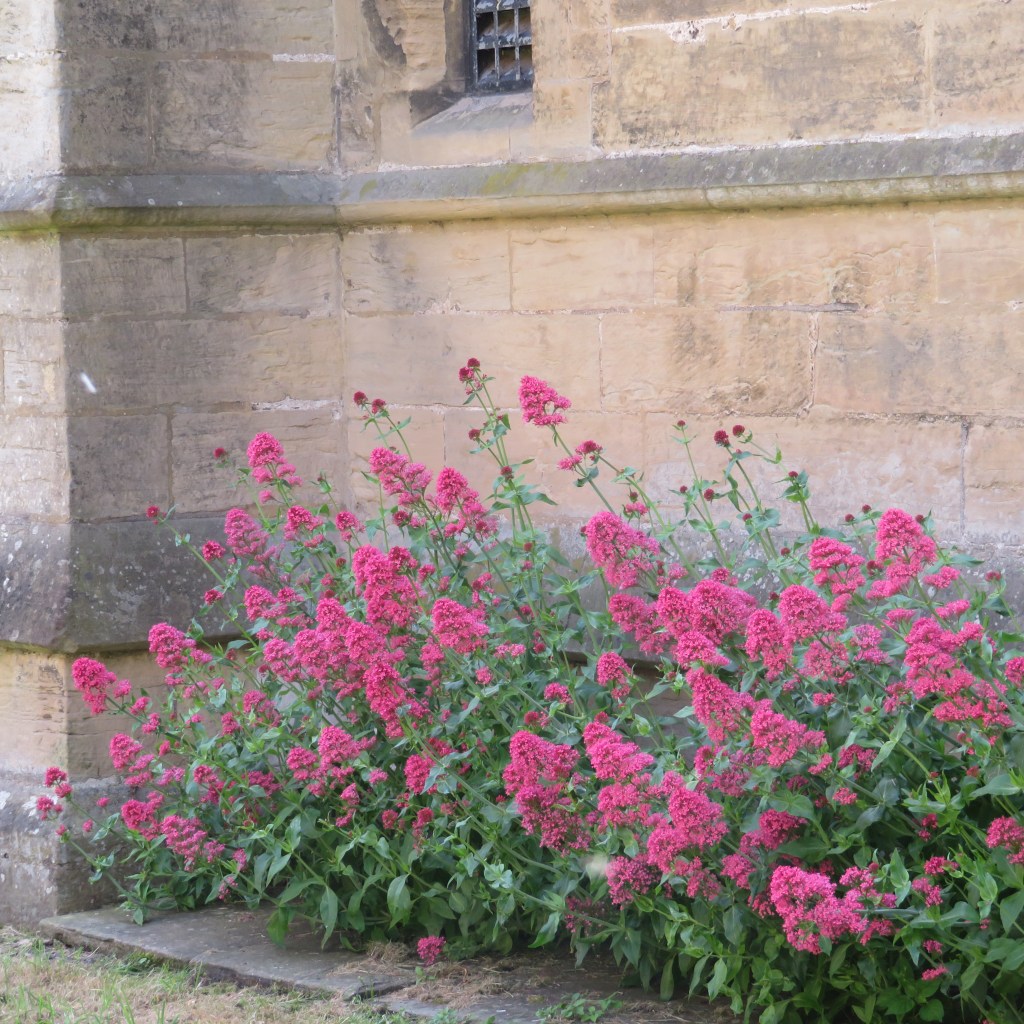
In the previous (Part I) post on valerian, I commented on non-medicinal valerian (Centrantus ruber). It is the decorative valerian plant we often see growing wild, almost invasively, along river verges and railway tracks, in churchyards, on rocky cliffs, and on the walls of ancient stone ruins. Gardeners and plant nurserymen call it Red Valerian.
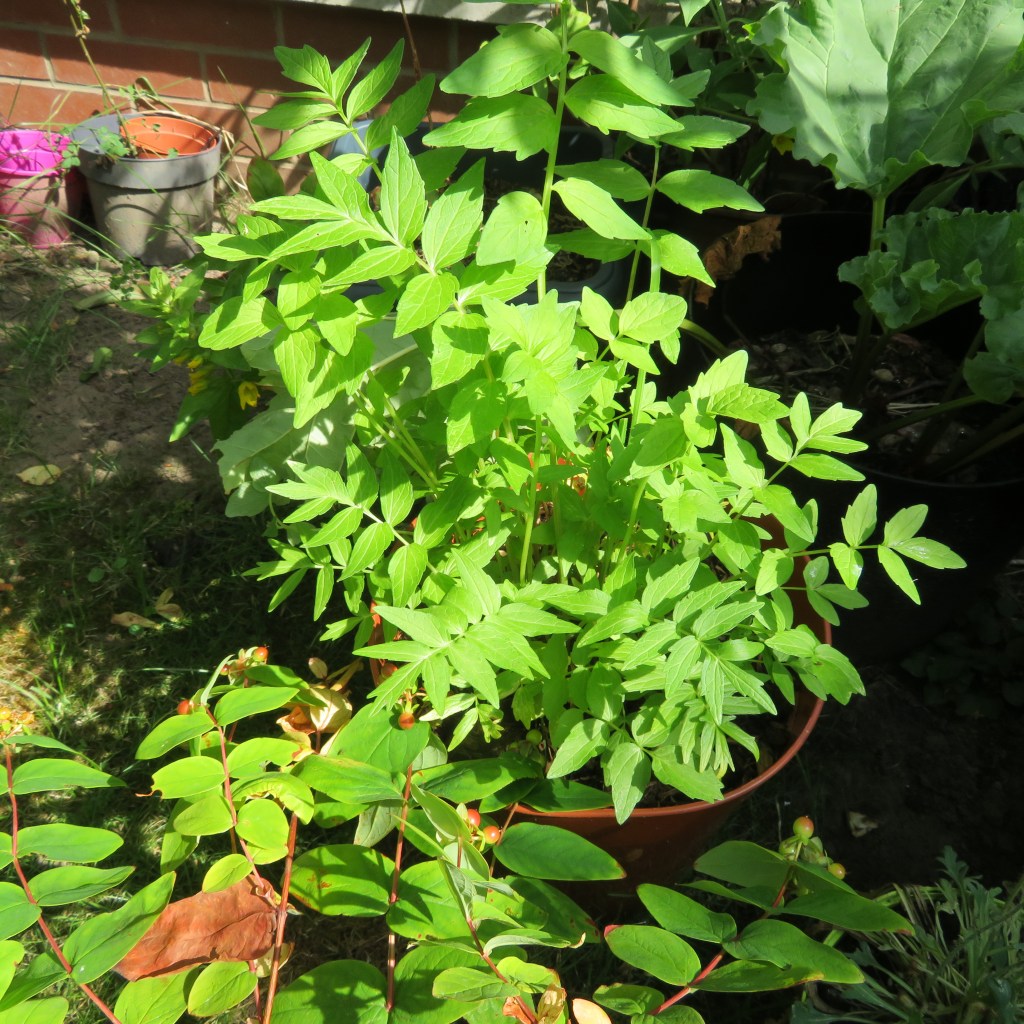
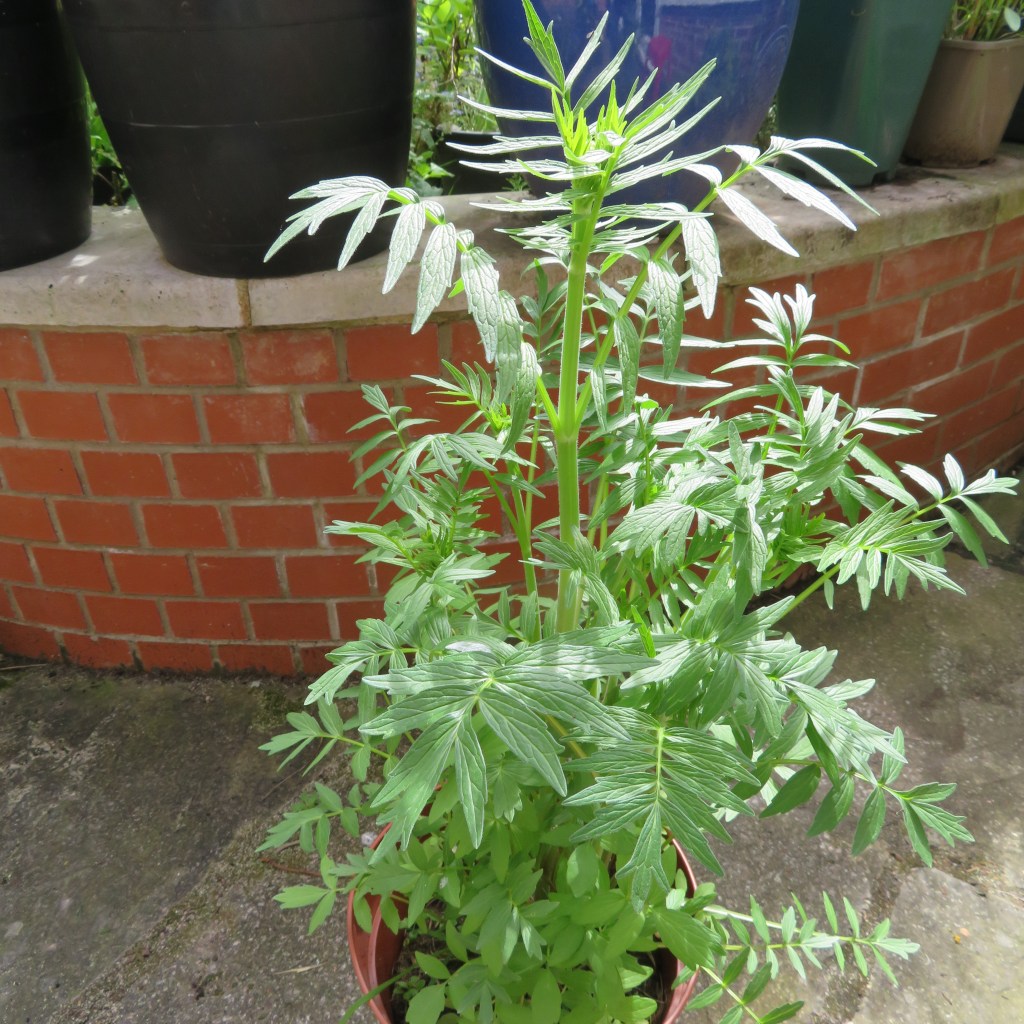
In this post (Part 2), I comment on (Valeriana officinalis), the plant used medicinally since antiquity.
Valeriana officinalis contains valeric acid which is used to improve the absorption of topical steroids across skin (e.g. betamethasone valerate in Betnovate) for the treatment of skin conditions such as eczema.
Chemist love altering newly discovered compounds. In 1881, Beverly Burton, a student chemist working in Wurzburg, modified valeric acid to produce valproic acid with apparently no therapeutic aim in mind. The compound was initially used as an organic solvent but eight decades later it was found serendipitously to be a useful anti-epileptic agent while it was being used as an ‘inert’ solvent. As Pasteur once said, luck comes to the prepared mind. This valuable drug is unfortunately associated with an increased risk of foetal malformations and should therefore be avoided during pregnancy. As with all medicines, whether of natural origin or from the chemical laboratory, there is always a risk-benefit trade-off to be made.
Does Valeriana officinalis work as a sedative or hypnotic? If you are looking for hard evidence generated through well-controlled double-blinded trials of the sort used to license modern medicines, you would be disappointed. However, sleeplessness and anxiety are often very subjective dysfunctions and many who suffer from them claim that the herb and its products are helpful. Given that all ‘prescription’ medicines given for these conditions have serious shortcomings, symptomatic relief with this relatively safe herb is justifiable.
Photo Credits – Alain Li Wan Po. Photo I (Wild non-medicinal valerian Centrantus ruber) and Photos 2 and 3 (Medicinal Valeriana officinalis) growing in my garden.
#Valerian #RedValerian #Valeriana #Valériane #纈草 #Centranthe #NonMedicinalValerian #MedicinalValerian #Centranthus #Lonicera #Honeysuckle #Caprifoliaceae#NaturesMedicines #MedicinalPlants #Sorrento #Amalfi #SouthwellMinster #SoulMedicine #SleepRemedy #LowSpiritednessRemedy #TopicalEnhancers #TopicalSteroids #MedicineTrees #TCM @MedicineTrees2023 #ValerianaOfficinalis #Teratogenicity #DrugsInPregnancy #DrugSafety #Epilepsy #ADR #RiskBenefitTradeOff
 Medicine Trees
Leave a comment