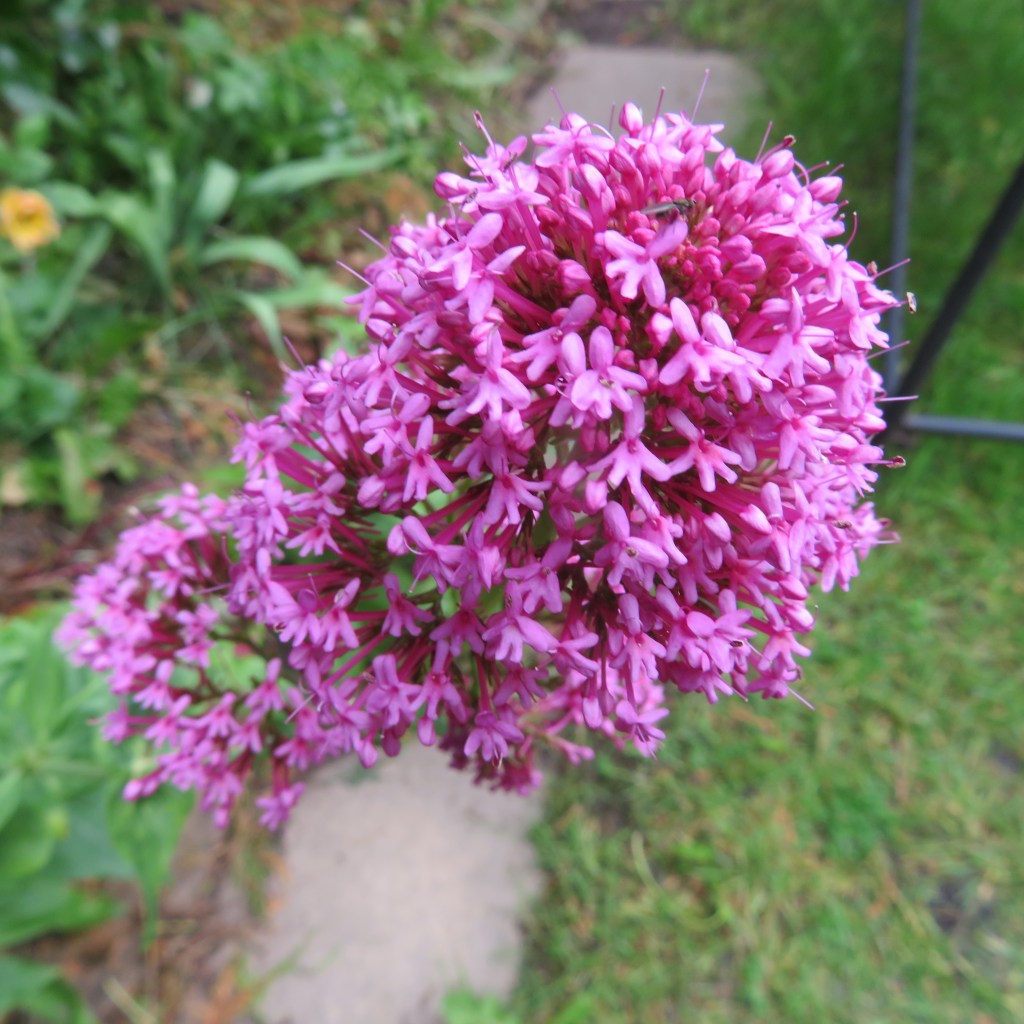
The root of the valerian (Valeriana officinalis) is one of the most widely purchased herbal remedies in many countries for sleep disorders, anxiety, and for what one 19th century herbalist called low-spiritedness (please see my two earlier posts). What is commonly also called valerian is the wild-flower Centrantus ruber.
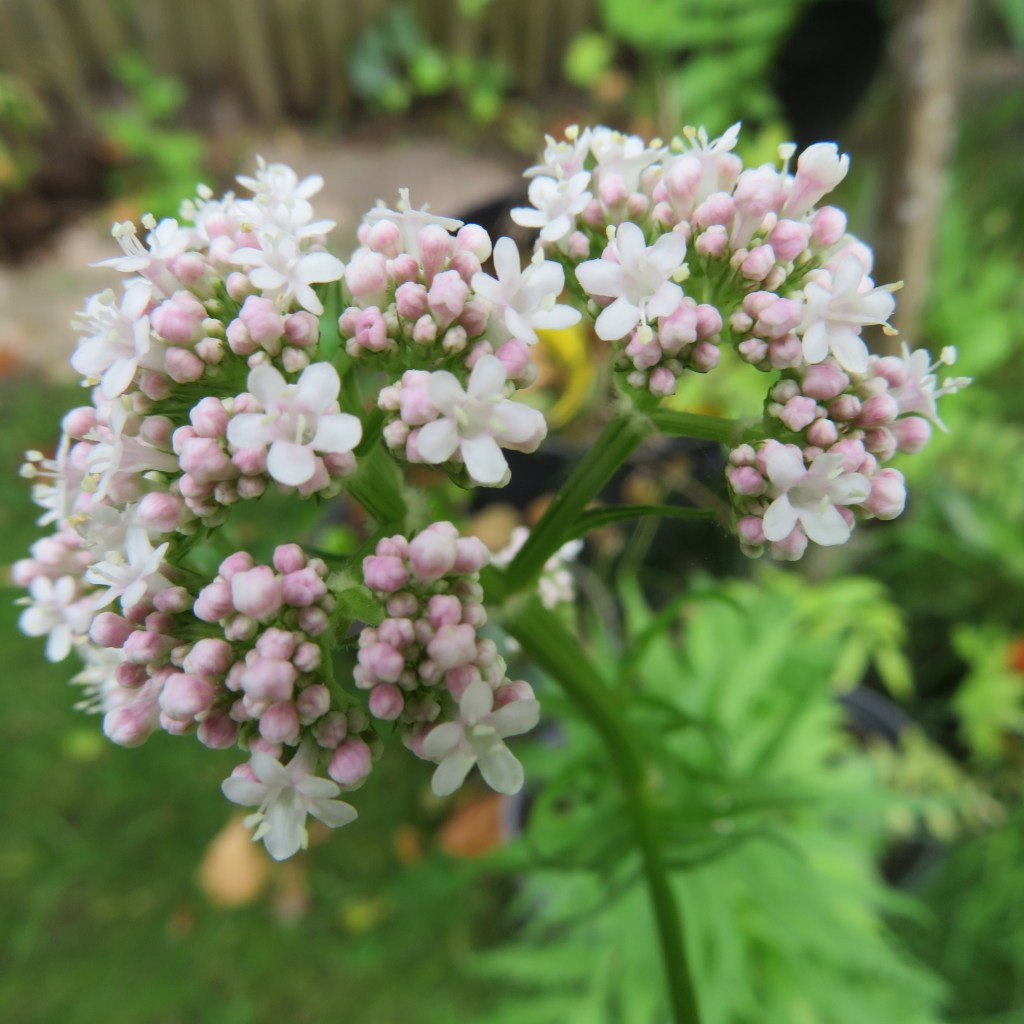
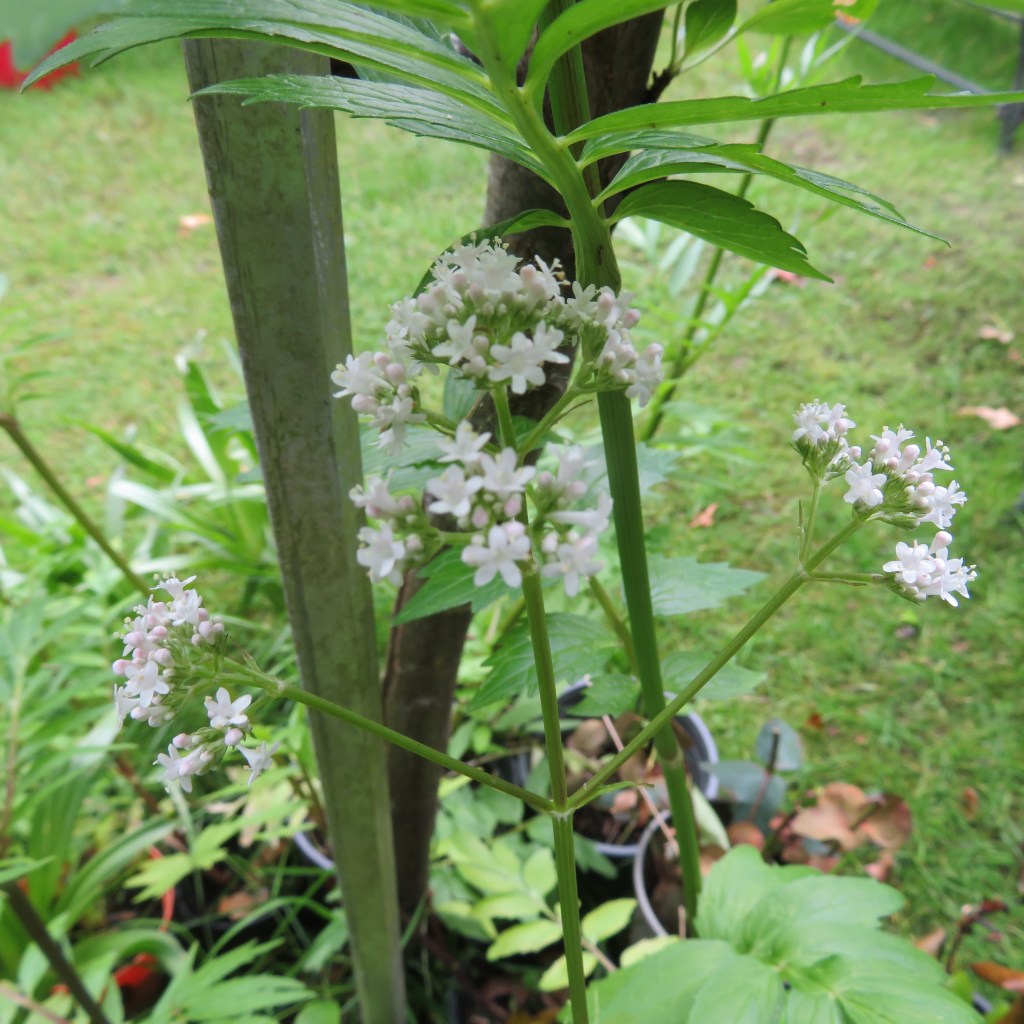
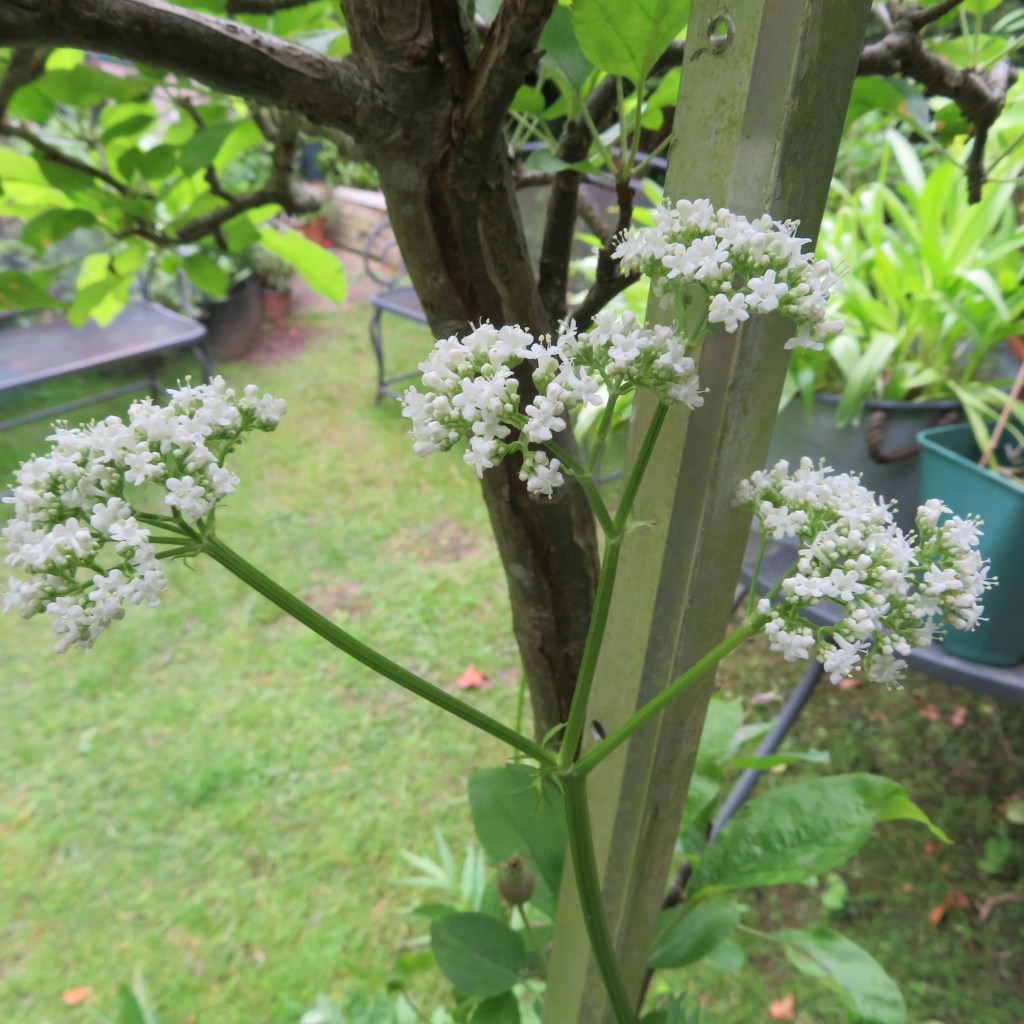
Both types of valerians start to flower in May in the UK and as I have both in bloom in my garden, I thought I would take some photos for your enjoyment and to illustrate their difference. Flowers of both plants have a sweet fragrance with hints and notes of daphne and jasmine although the fresh roots of both share the unpleasant smell of butter gone rancid (stench of old socks) due to their fatty acid contents. Research on one of those acids, valeric acid, led to the discovery of valproic acid (valproate), a widely used anti-epileptic, which unfortunately is associated with serious adverse effects and should be avoided during pregnancy. Fatty acids are used as fixing agents in the manufacture of perfumes to make them last longer on the skin.
#Valerian #RedValerian #Valeriana #Valériane #纈草 #Centranthe #NonMedicinalValerian #MedicinalValerian #Centranthus #Lonicera #Honeysuckle #Caprifoliaceae#NaturesMedicines #MedicinalPlants #SleepRemedy #NaturalSleep #LowSpiritednessRemedy #TopicalEnhancers #TopicalSteroids #MedicineTrees #TCM @MedicineTrees2023 #ValerianaOfficinalis #Teratogenicity #DrugsInPregnancy #DrugSafety #Epilepsy #ADR #RiskBenefitTradeOff #ValerianFlower #Daphne #DaphneCneorum
Photo Credits – Alain Li Wan Po Photos 1, 2 and 3 (Medicinal Valeriana officinalis). Photo 3 (Centrantus ruber)
 Medicine Trees
Leave a comment