At the dawn of medicine various minerals, animal parts, and plants provided the first potential remedies for experimentation by patients, shamans and high priests alike. And so, the first formularies emerged to document treatments that were generally thought to be effective.
In medieval Europe, the monasteries became the guardians of much of the medicinal treasure trove, and herb gardens formed an integral part of the pharmaceutical world. With the Age of Discovery and the emergence of European Maritime Empires, explorers brought back many new medicinal plants from the Americas, the Middle East, India and the Far East (see previous posts by Professor Burguillo). In the 17th Century, pharmacies in Norway, then under the control of Denmark, were required to have herb gardens.
Plants remained the dominant source of medicines until the emergence of modern medicines, initially from the German dyes industry in the late nineteenth century. The first synthetic medicines were derivatives of natural plant medicines. Then came the penicillin moment. Since then, numerous modern medicines have been discovered and synthesised from leads provided by plants (e.g. see our previous posts on various anticancer drugs from the yew tree and the periwinkle, morphine from the poppy, and the antimalarial artemisinin from species of wormwood).
Documenting the European history of this rich herbal heritage is culturally important, but we should recognise that the plant world has been the dominant source of medicines in other parts of the ancient world too, often centuries earlier, from the Americas, China, India, Persia, Africa … Human suffering is universal and its alleviation a common endeavour.
With Henry VIII’s dissolution of the monasteries in the late 1530s, many of the associated herb gardens were lost (see my previous post on Calke Abbey). In continental Europe, and Scandinavia too, most monasteries disappeared during the 16th century Reformation. However, enterprising universities, learned institutions such as the Royal College of Physicians in London, and apothecaries established their own medicinal herb gardens as classrooms for trainee doctors and pharmacists. The University of Copenhagen medicinal garden, one of the first, was opened in 1600. Some monasteries escaped closure and the Augustinian Monastery in Brno where Friar Gregor Mendel first worked out how our genes are passed on, thereby allowing us to explain why some diseases are hereditary. His discoveries also allow us to treat many diseases including cancer in more targeted ways, and to explain why some patients develop toxic reactions to some herbs that are harmless to others. Good things happen in the garden.
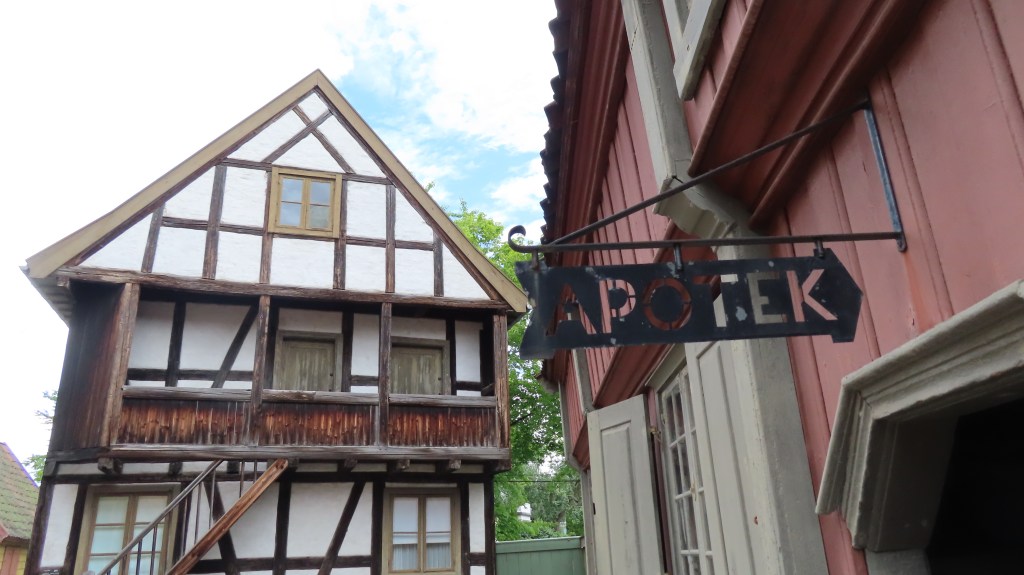
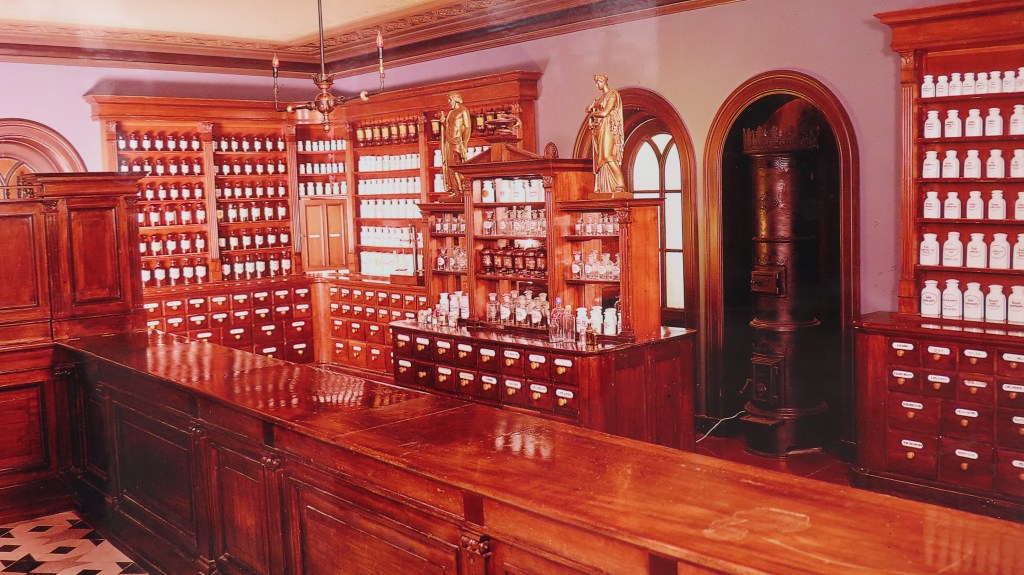
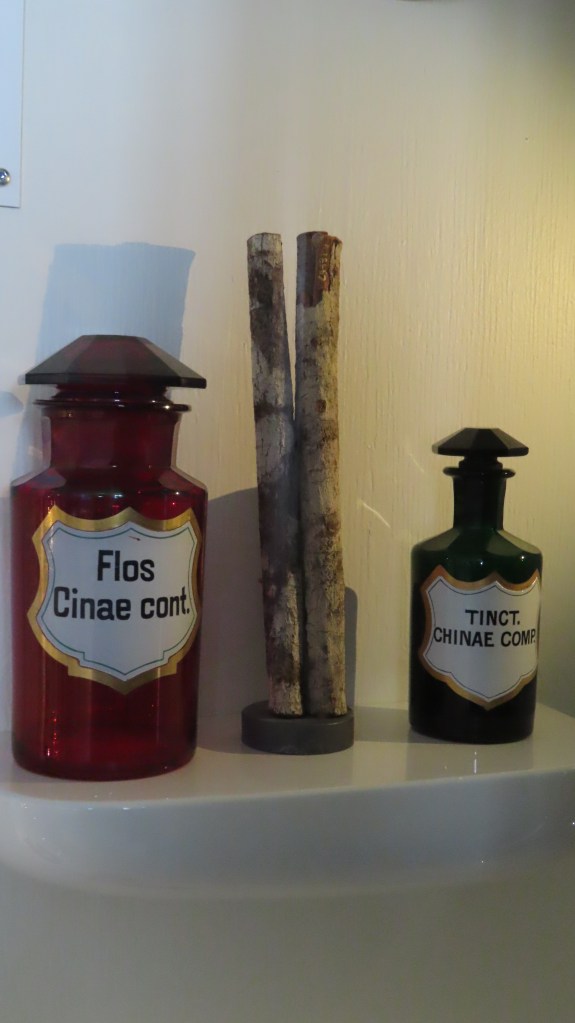
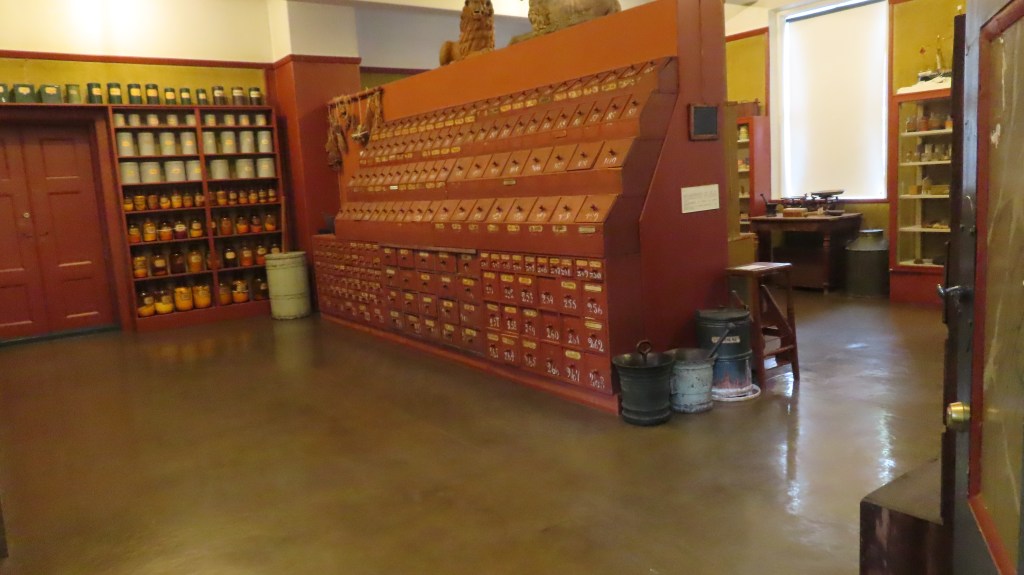
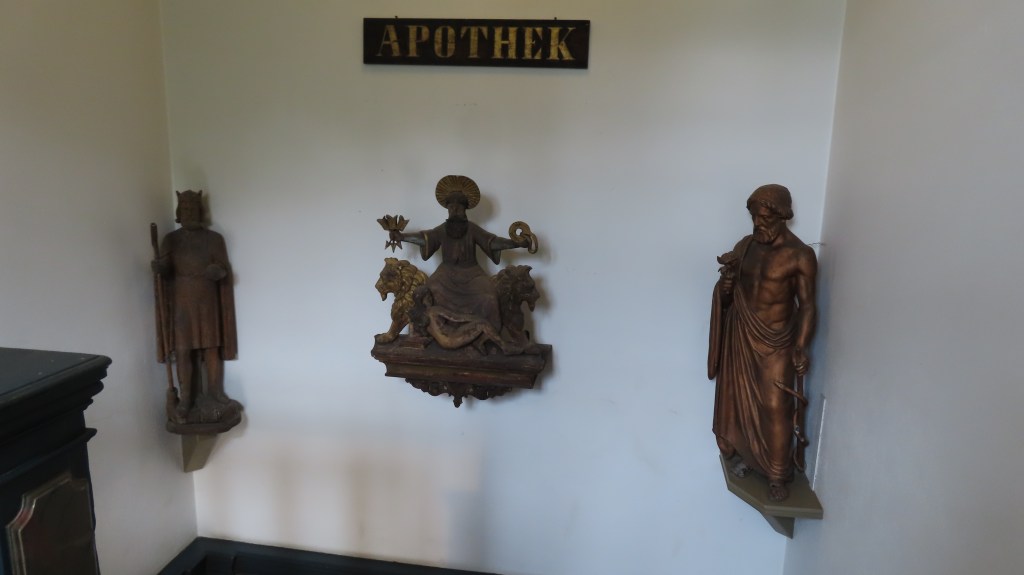
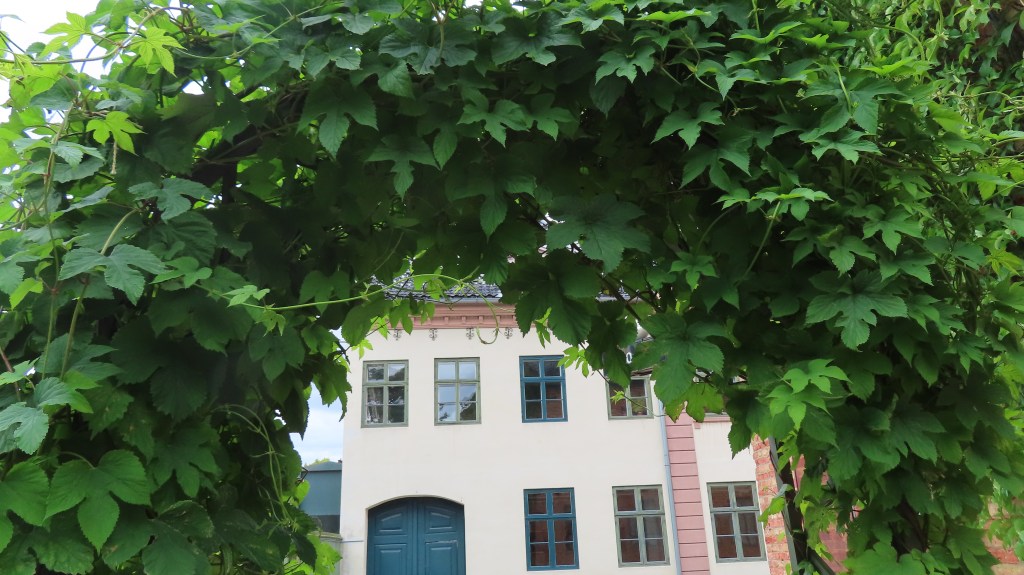
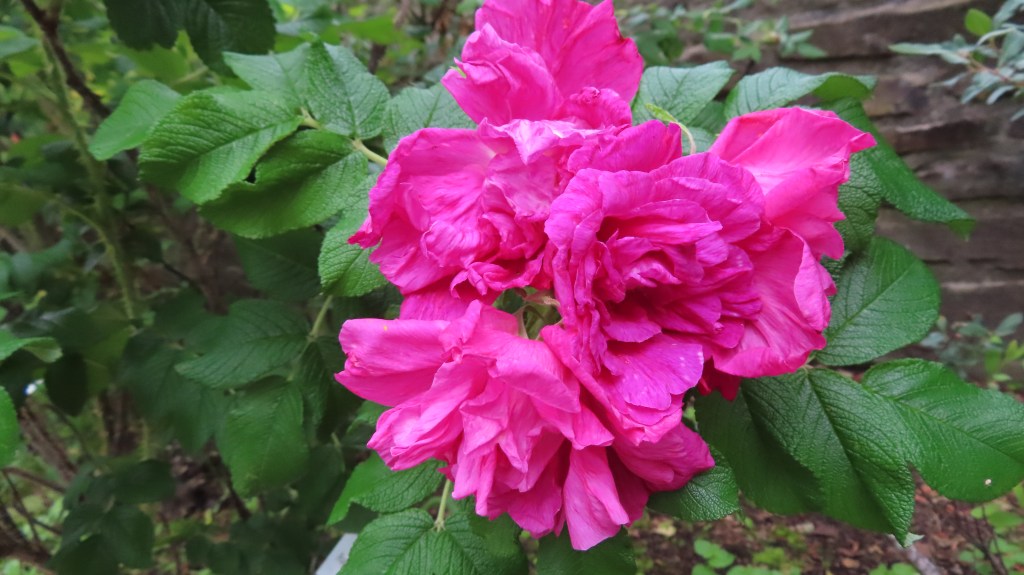
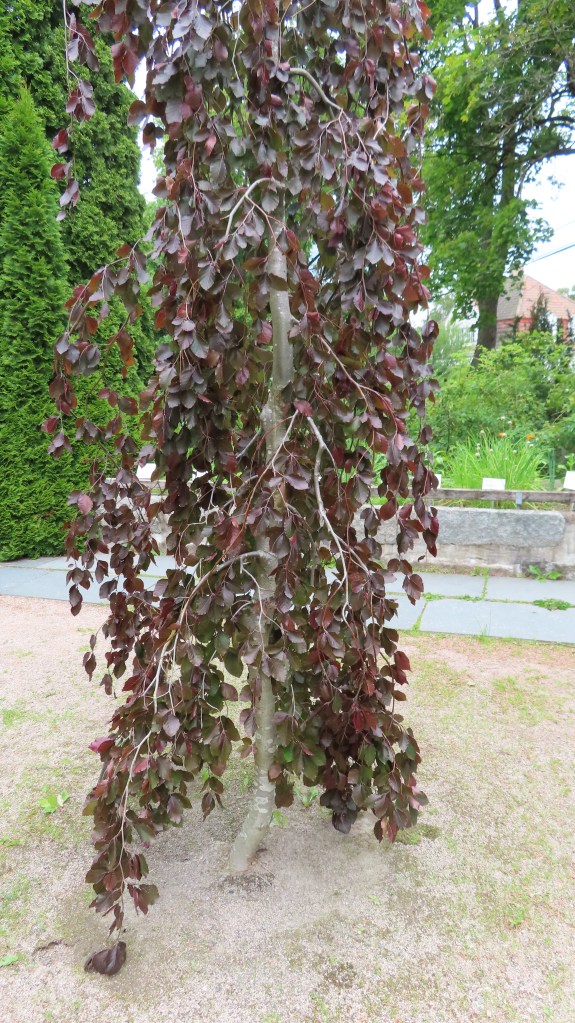
The Norwegian Pharmacy Museum (Norsk Farmasihistorisk Museum), located within their Museum of Cultural History complex in Oslo, was established to preserve pharmaceutical history. Attached to the physical building is a thriving and well-managed herb garden with over a hundred medicinal plants (see Photos taken during a visit in July 2024).
#Oslo #BeautifulNorway #Norway #Mendel #HerbGarden #Apothecary #GeneticMedicine #CalkeAbbey #HenryVIII #Reformation #DissolutionOfMonasteries #Monasteries #Brno #Brunn #Genetics #RCP #RoyalCollegeOfPhysicians #PharmacyHistory #Augustinian #Genetics #Scandinavia #AgeOfDiscovery #Columbus #EuropeanMaritimeEmpires #TakingALeadFromNature #MedicineTrees #MedicinalHerbs #MedicinalPlants #HerbalMedicine #PlantMedicine #HerbalTeas #FolkloreRemedies #NaturalMedicines #YewTree #Paclitaxel #Taxol #Vincristine #Vinblastine #Penicillin #Artemisinin #Artemisia #GardenOfEden #MedicinalGarden #SoulTherapy #MedicalHistory #DrugDiscovery
Photo Credits – Alain Li Wan Po CEBP Acknowledgement -Many thanks to Dr Lindsay (Sonny) Tanyan who acted as a generous guide during my visit of this Medicinal Garden of Eden in his beautiful Norway. As a leading psychiatrist, I am sure he would recommend reflective soul therapy in the tranquillity of a beautiful garden.

 Medicine Trees
Leave a comment