In a post in May 2023, we wrote about Psychedelics as the New Frontier in Psychiatric Drug Therapy giving some historical background. Please read as background to this post if possible.
A major new trial published on 5 September 2023 provides the best evidence to date that psilocybin might become an approved prescribable medication for MDD.
What the trial showed
A single 25mg dose of psilocybin provided rapid relief of depression which was sustained for up to six weeks.
What we like about the trial
1. It had a strong design with a control treatment arm (niacin, also known as vitamin B3), randomisation (treatment allocated purely at random using a defined method), and blinding (no one knew who received which treatment (psilocybin or niacin) until after the assessment by independent assessors. 2. The inclusion of niacin as a control treatment (active placebo as it causes flushing) is interesting because use of an inert placebo (e.g., lactose tablets) would not have provided adequate blinding as psilocybin produces a strong perceptible effect not associated with any antidepressant effect it may have. 3.The single dose regimen used is attractive as any more complicated dose-regimen would make supervised administration impractical. 4.The manageable side-effect profile seen.
What is still required
1. Larger randomised controlled trials to confirm effectiveness. This was a Phase 2 trial (albeit large for this stage) typically run to provide sufficient evidence of safety and efficacy before going ahead with a large confirmatory trial (Phase 3 trial with several hundred patients). Many Phase 3 trials have failed despite positive Phase 2 results. Please see our early post on Evidence-Based Plant Medicines for details of generation of evidence for regulatory marketing approval as licensed medicines. 2.The larger trials should recruit an ethnically more representative population of patients with MDD to provide population generalizable results. 93 out of 104 subjects finally included in this trial were White. There was a huge screening out of subjects in the trial. 1529 subjects were screened to give the 104 subjects entering the randomised trial. 3.How well niacin ensured blinding needs formal testing in any Phase 3 trial. The trialists may well want to do a post-hoc analysis of the trial already conducted and if necessary, change the active placebo used. 3.A longer follow-up than 6 weeks will be useful to determine, if efficacy is confirmed, how often the treatment needs to be prescribed and what long-term side-effects might appear. 4.Caution. Antidepressants have been hailed as major innovations or miracle drugs before only to disappoint later as hype gives way to more realism (e.g., fluoxetive (Prozac) and related drugs known as SSRIs (selective-serotonin re-uptake inhibitors). Depressive illness is a difficult condition to treat as it has both a biological and an existential component. Humility is always called for when treatment is envisaged.
Reference – Raison CL, Sanacora G, Woolley J, et al. Single-Dose Psilocybin Treatment for Major Depressive Disorder: A Randomized Clinical Trial. JAMA 2023;330:843-53.
#Psychedelics #FDA #LSD #Psilocybin #Psilocin #MedicineTrees #MedicinalHerbs #MedicinalPlants #HerbalMedicine #PlantMedicine #TakingLeadFromNature #Herbals #PsychedelicDrugLicensing #DrugsFromNature #MagicMushrooms #MentalIllnessPlantMedicines #PlantDrugLicensing #PsychedelicTherapy #Descartes #TGA #PsychiatricDrugTherapy #PsychiatricDrugDevelopment
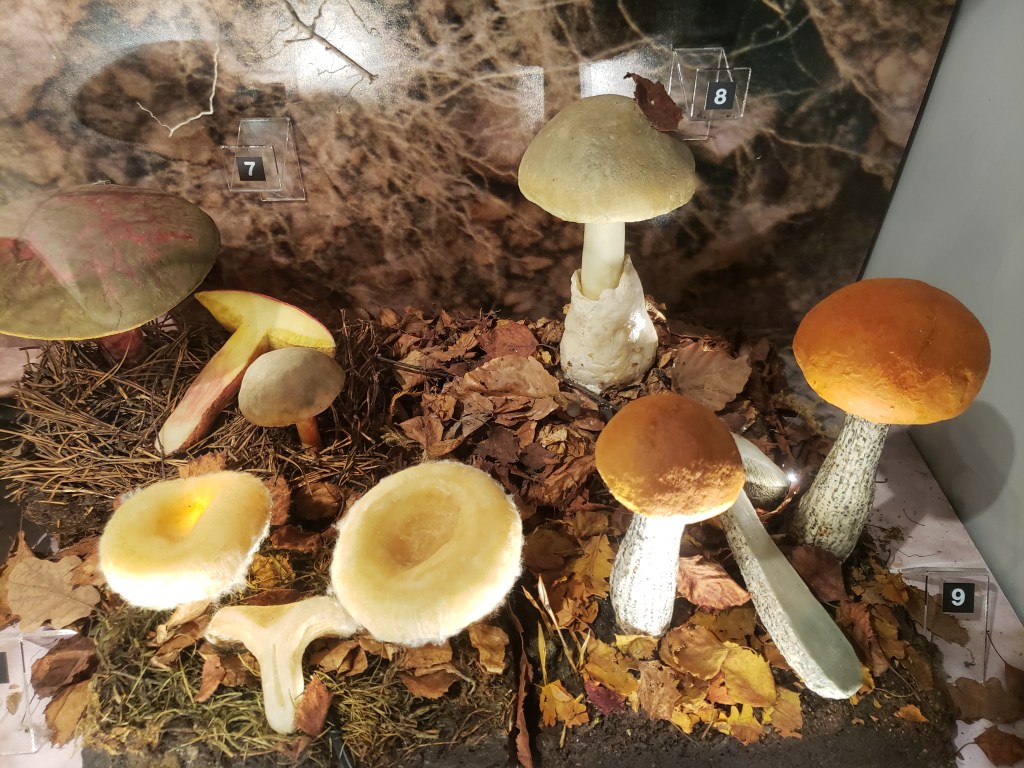
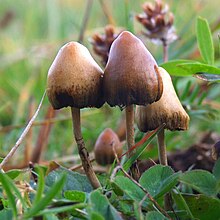
Photo Credit – ALWP CEBP Mushroom specimens held at the Cardiff National Museum (including 8, the highly toxic Amanita phalloides) and sunflowers for a brighter day. Wikipedia commons – Field psilocybe and van Gogh’s Sunflowers



 Medicine Trees
Leave a reply to Alain Li Wan Po Cancel reply