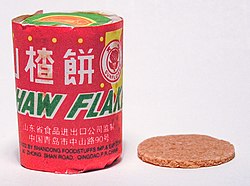
One of my pleasant memories of childhood is the enjoyment of Haw flakes, a moreish snack (see Photo) with a sweet and sour taste. It was only years later that I realised that its name was derived from one of its main ingredients, the fruit we know as hawthorn (Crataegus tinnatifida, the Chinese hawthorn). The word ‘haw’ in fact comes from an old English term for a hedge. Haw flakes were taken off the market in the US for a time because it contained a colouring agent (E124, Ponceau Red 4R), said to be associated with rare adverse events such as ADHD (Attention Deficit Hyperactivity Disorder). Alternative colouring is now used in some countries but the evidence for the adverse association is controversial with regulatory authorities disagreeing with each other on specific colouring agents. It is surprising that the various manufacturers have not opted for a safe natural food colouring if one is deemed necessary. No matter, I am pleased to report that any ADHD I may have is not, in my view, associated with eating Haw flakes in my childhood.
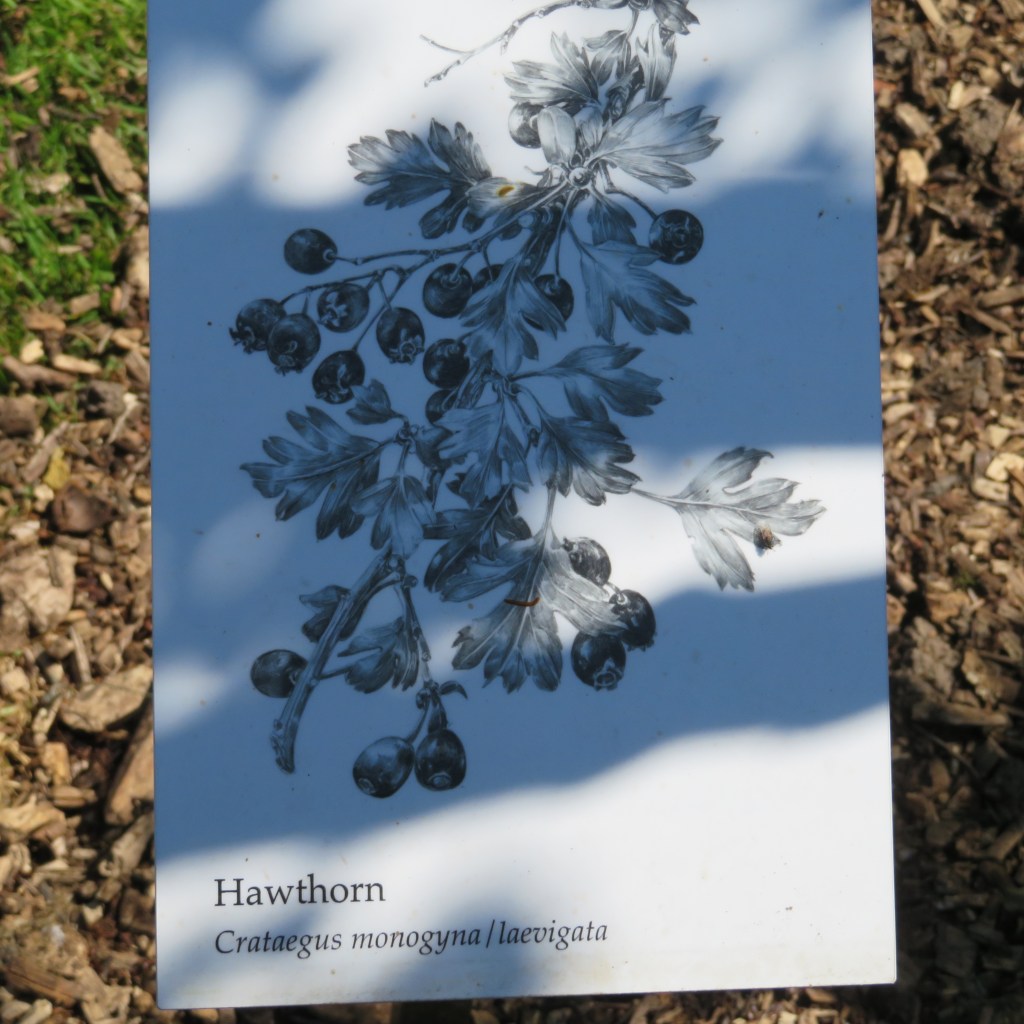
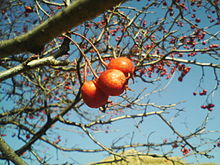
There are several hundred species of hawthorns (Cataegus), the most common in temperate Europe and Britain is the native Crataegus monogyna with fruits much smaller that those of the Chinese species (over two centimetres in diameter compared to less than one). Both varieties and many others are used both as food and as medicine. In regions of China where the fruit is plentiful it is sold candied on skewers in much the same say that we sell candied apples in Europe in autumn and Christmas street markets and open-air festivals. In the UK, the fruit is used to make jellies, jams, and ketchup, but as the usable part is small, it is hard work. Foragers use the young leaves as a salad vegetable, and leaves at all stages as teas.
In ancient Chinese formularies, the fruit and herbal products based on it are used as an aid to digestion. In the West, the hawthorn is used by herbalists with some clinical trial evidence for various heart conditions including congestive heart failure. Chinese herbalists have now, not surprisingly, added these cardiovascular indications to their hawthorn concoctions. With very effective synthetic medicines now available for such serious heart conditions there is little room for hawthorn unless its actives or better derivatives are identified and validated. For now, the hawthorn is best enjoyed as an antioxidant, vitamin-rich, food or condiment for both body and soul.
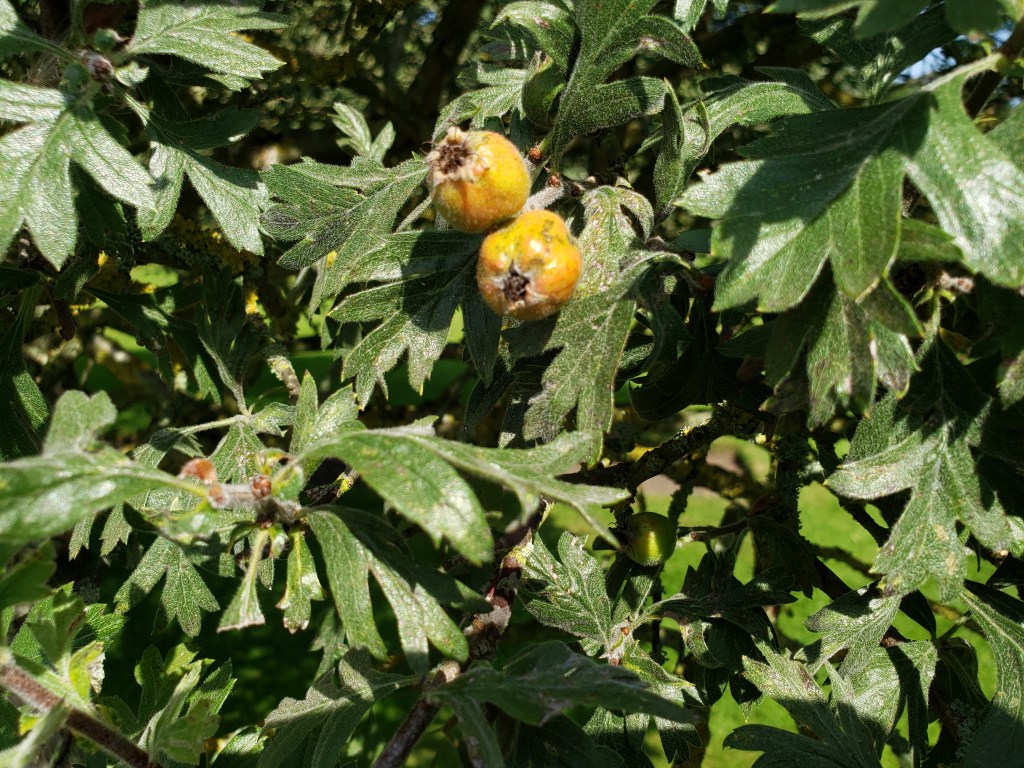
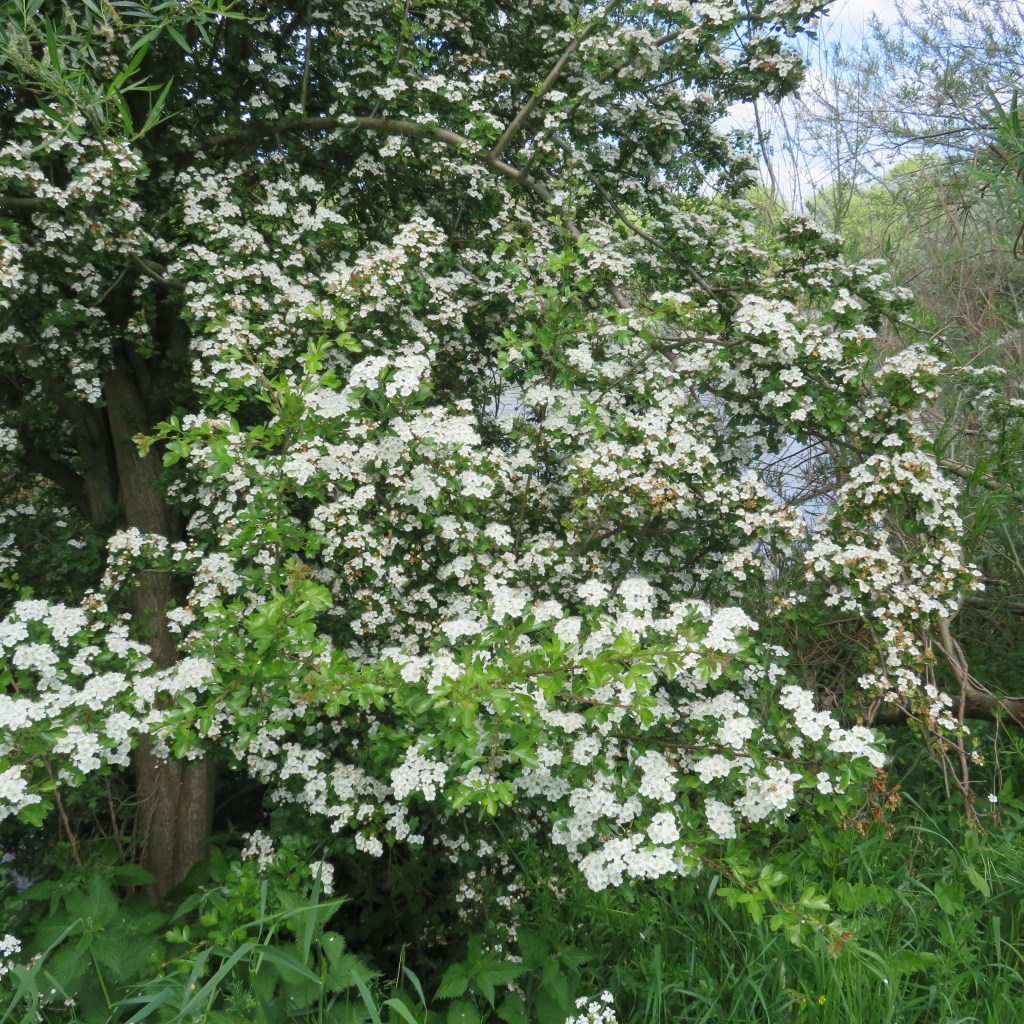
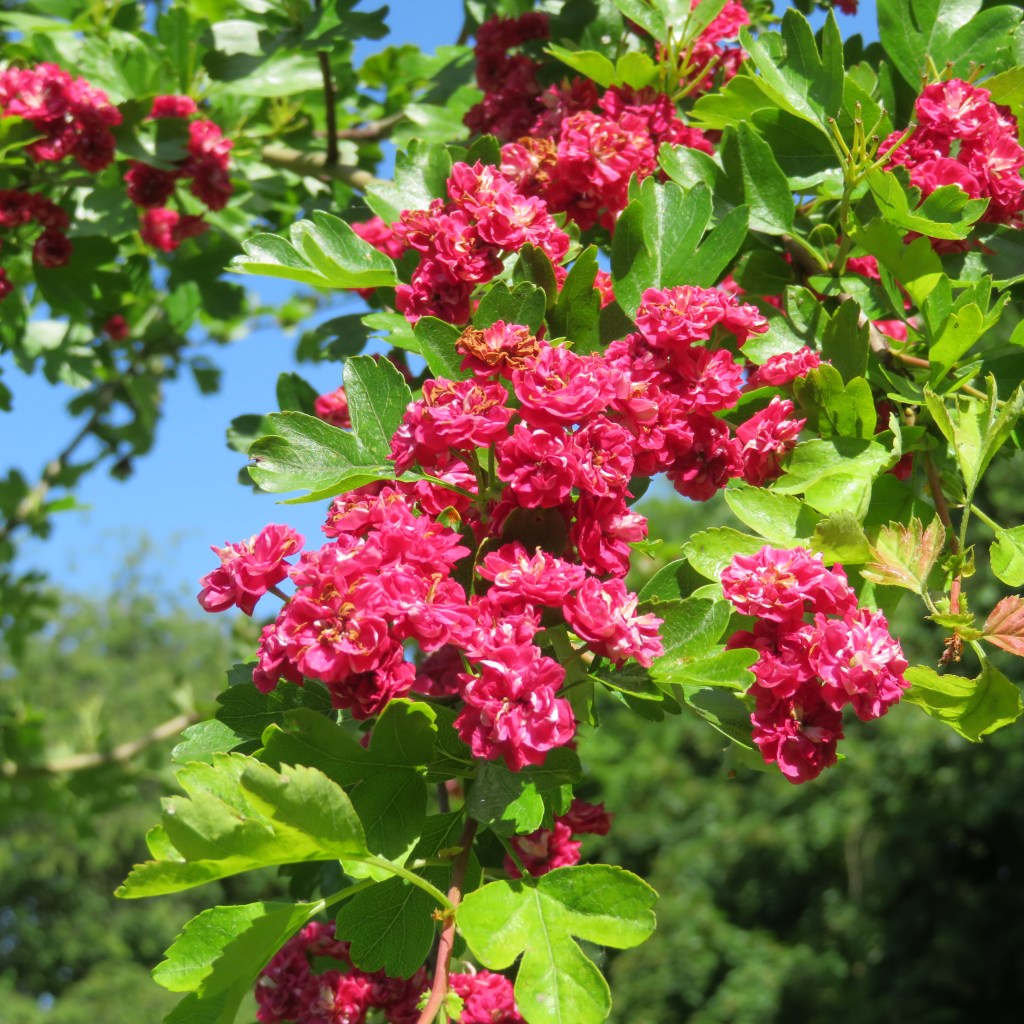
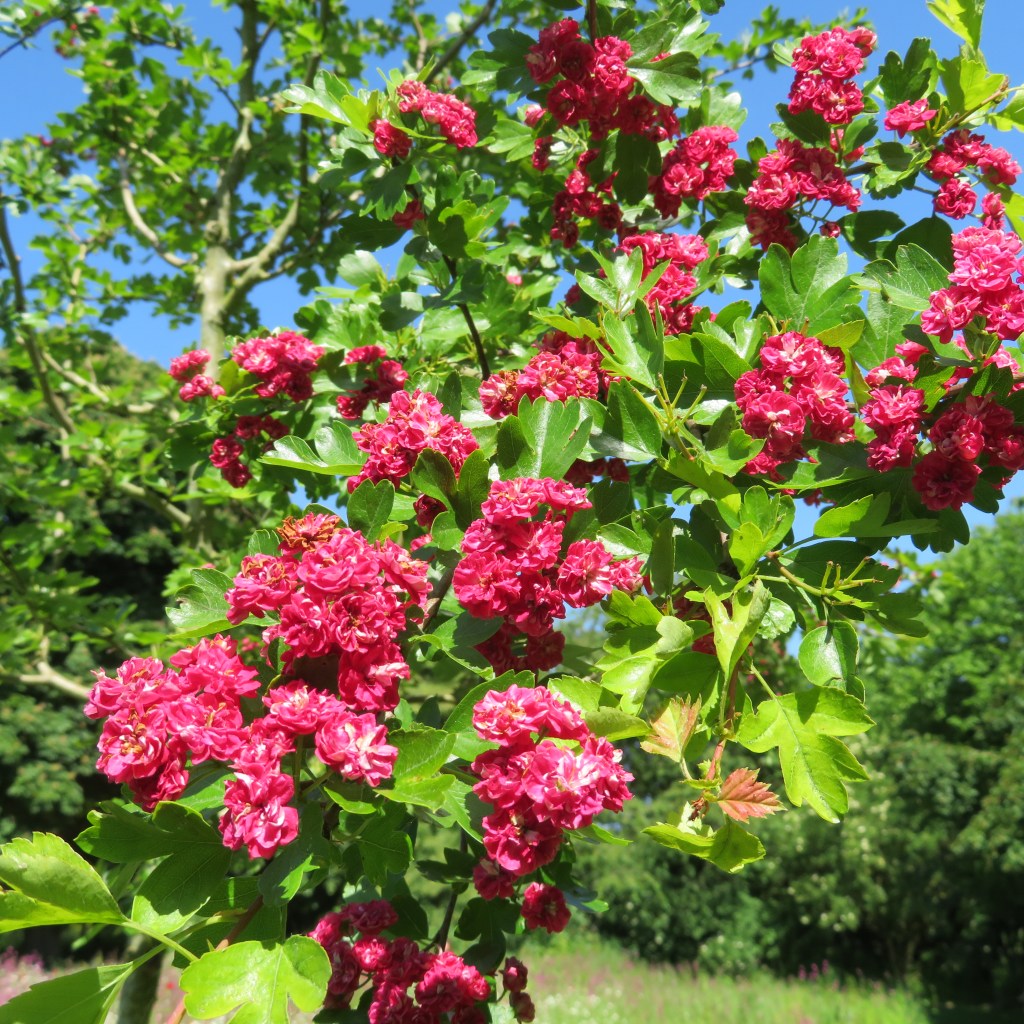
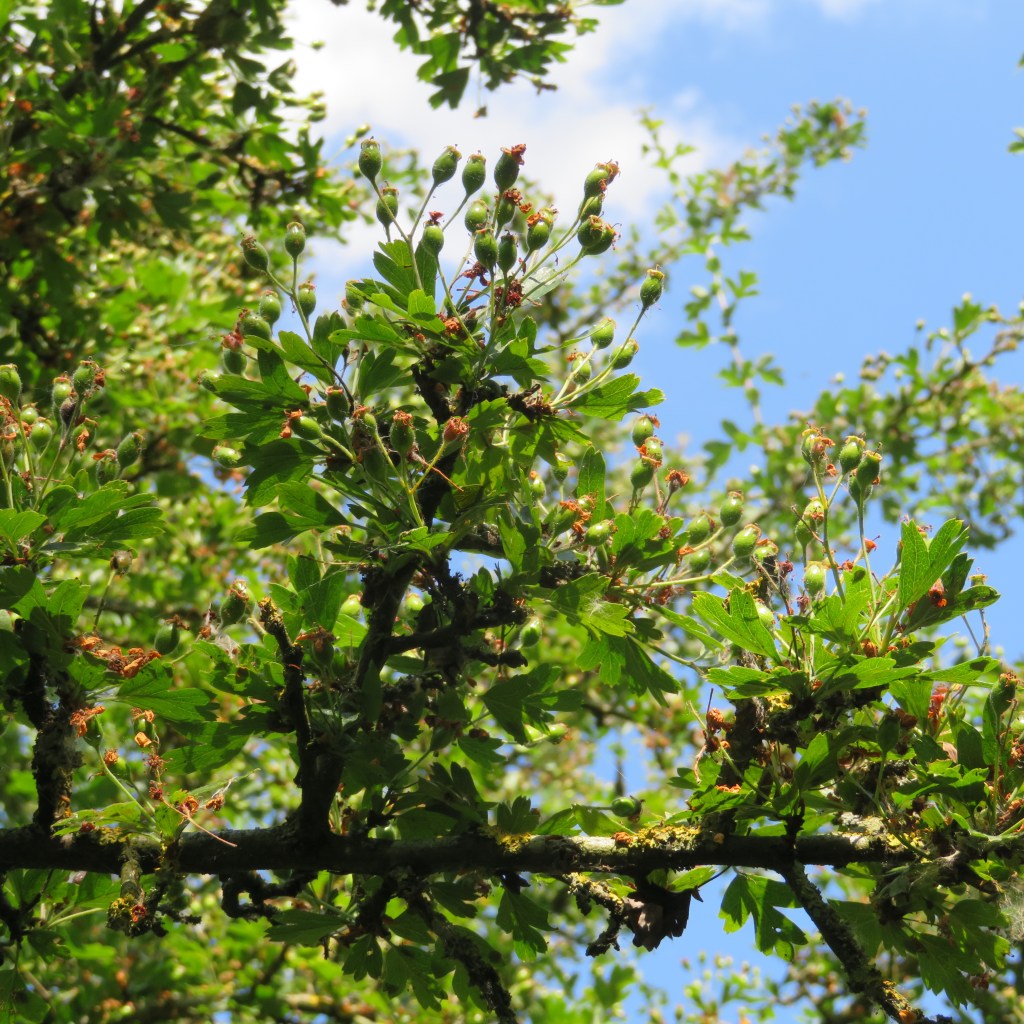
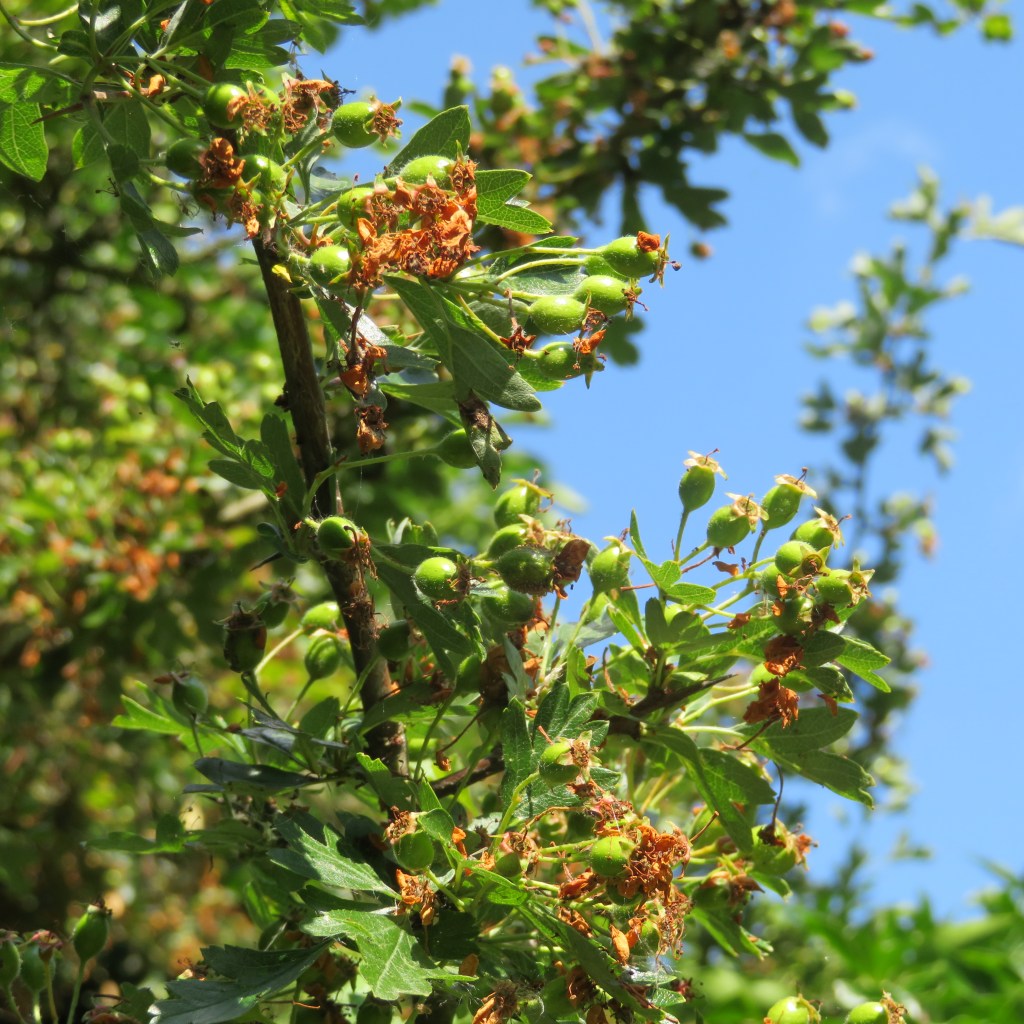
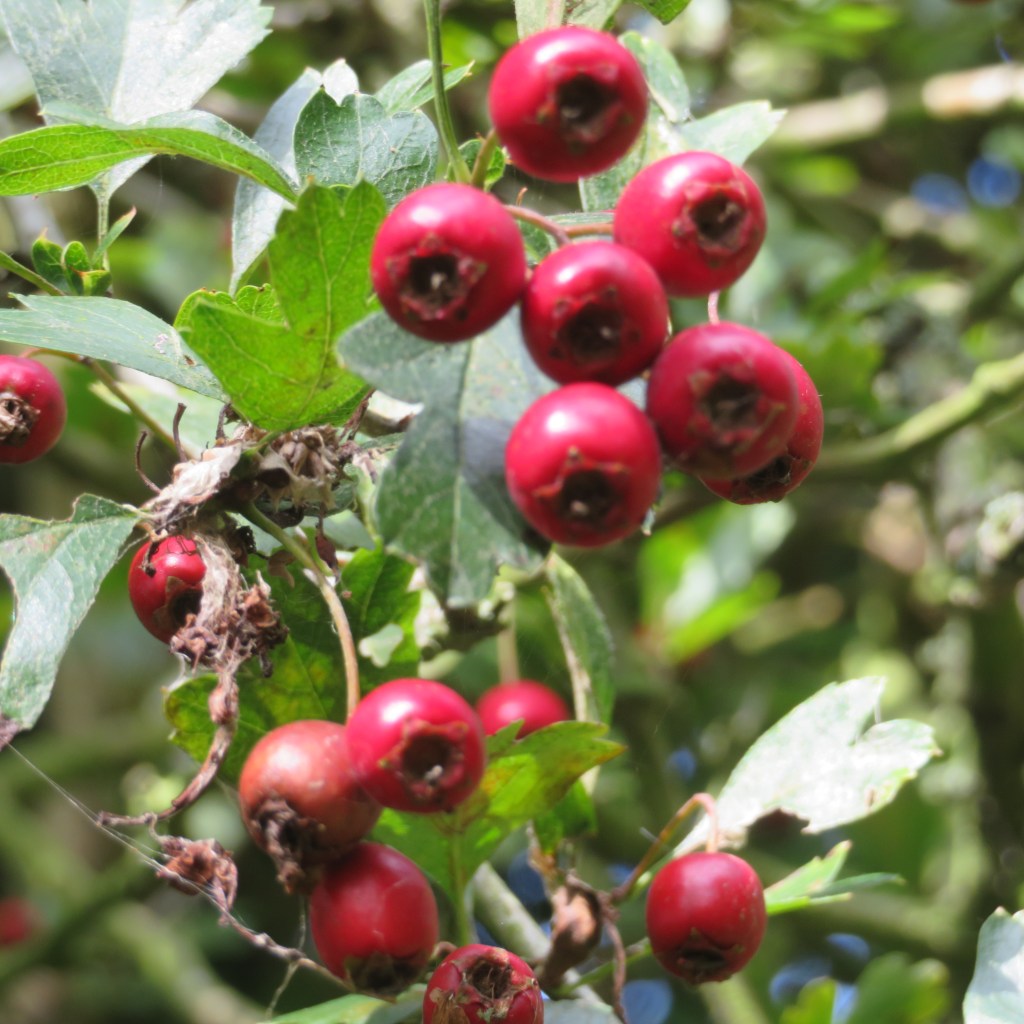
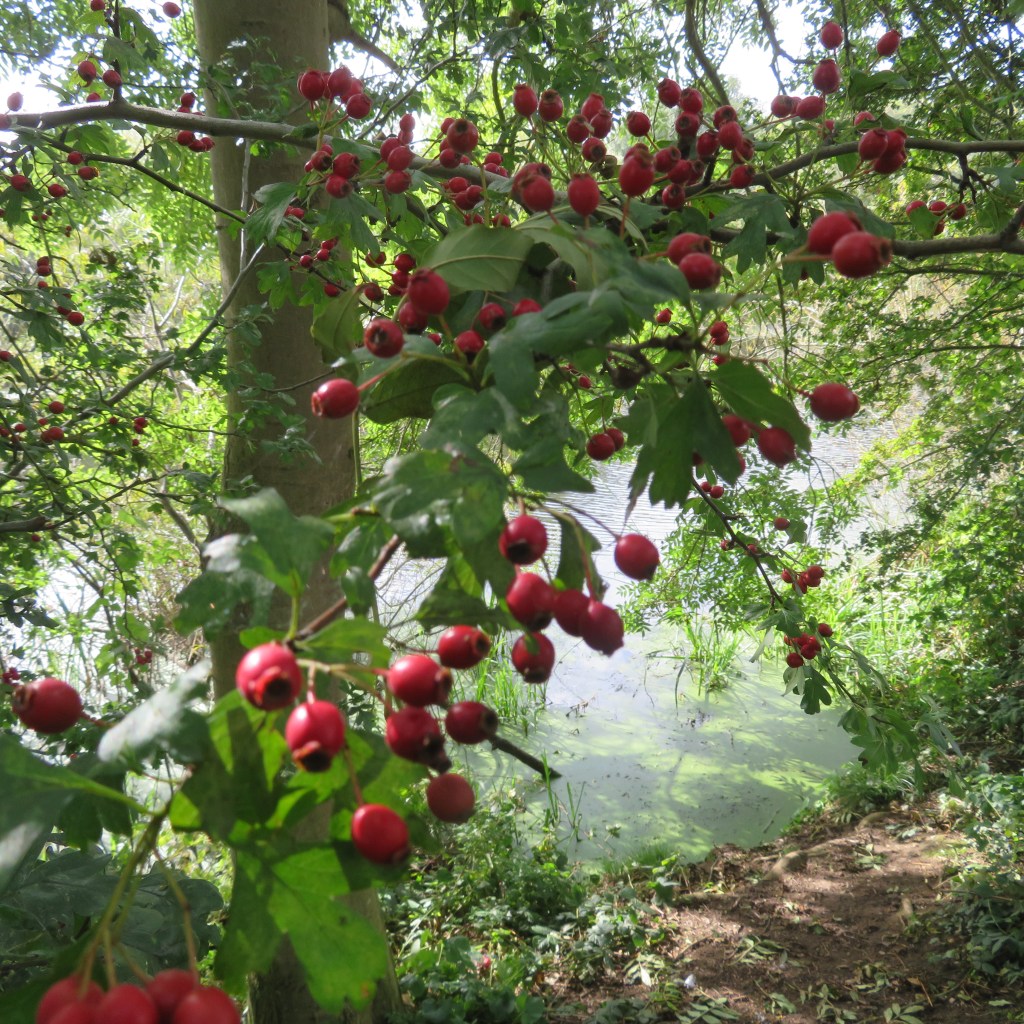
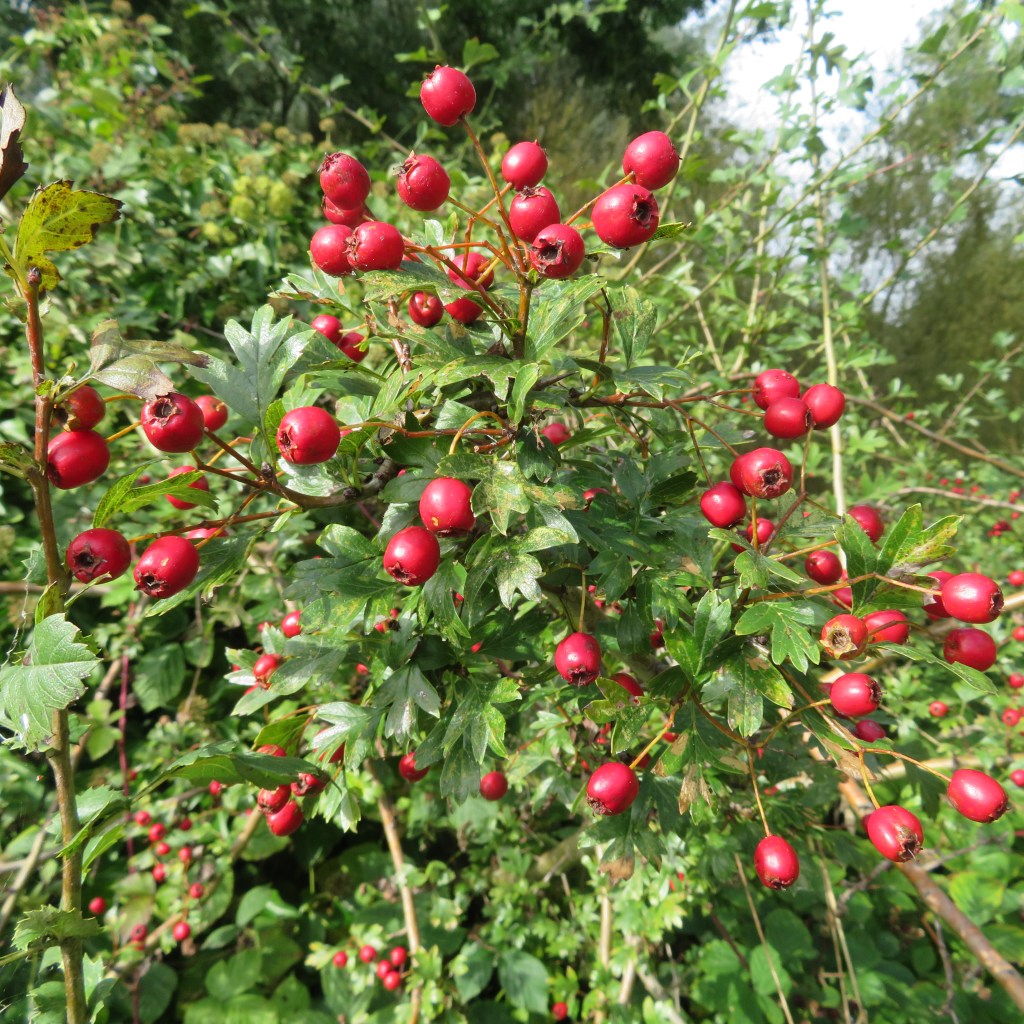
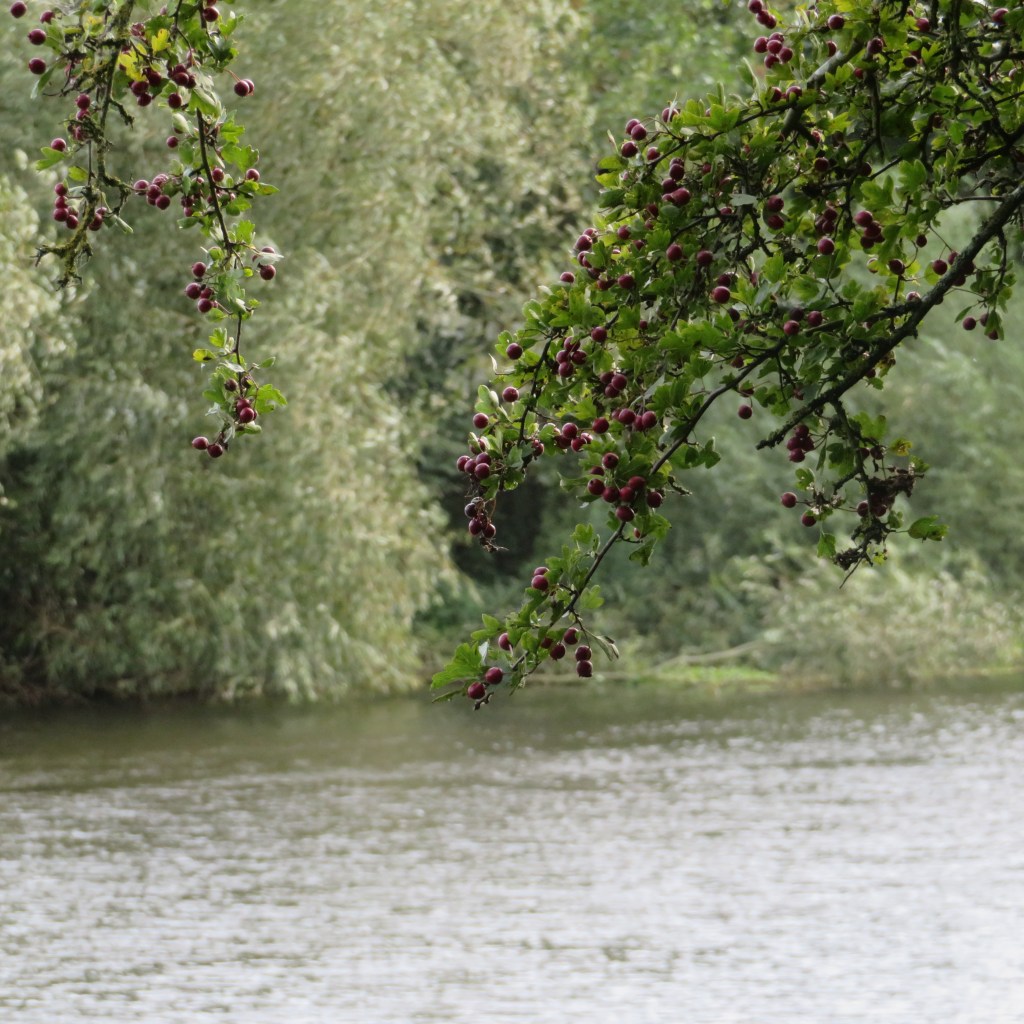
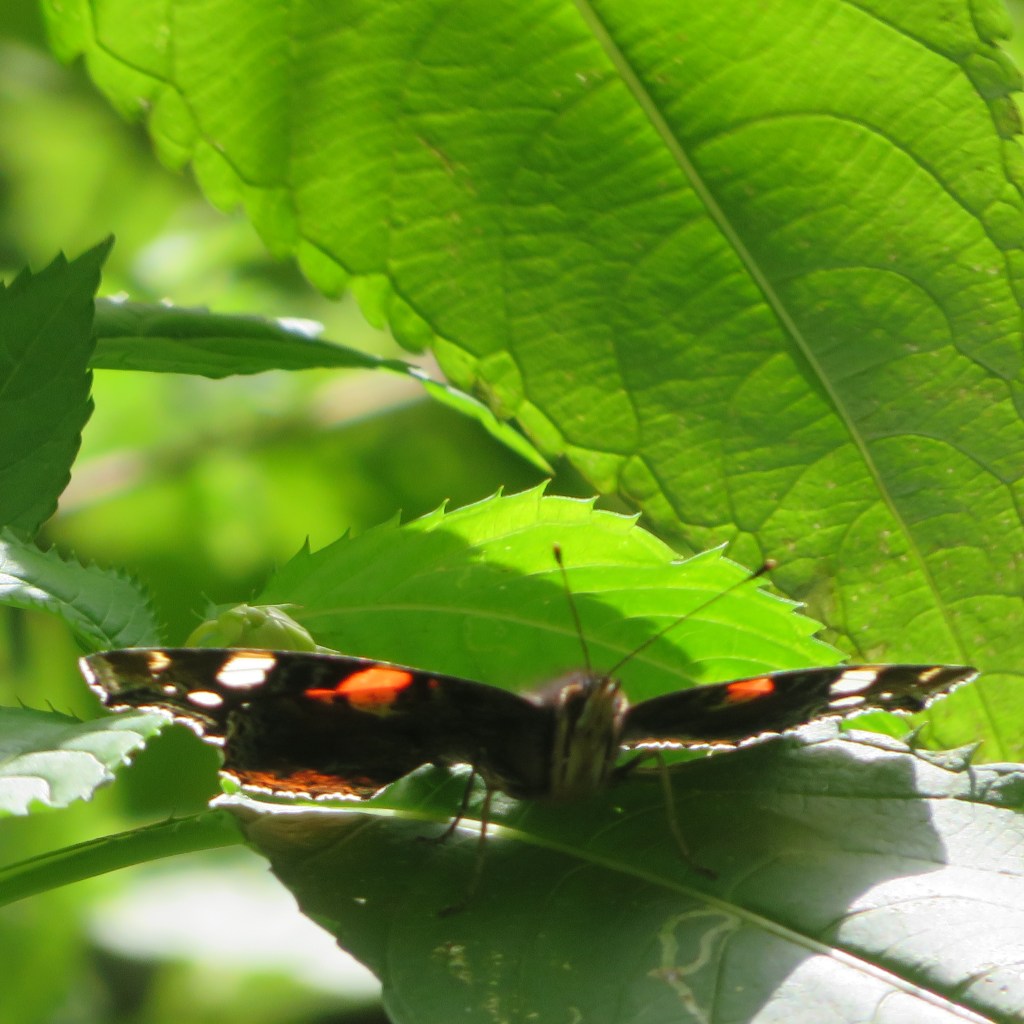
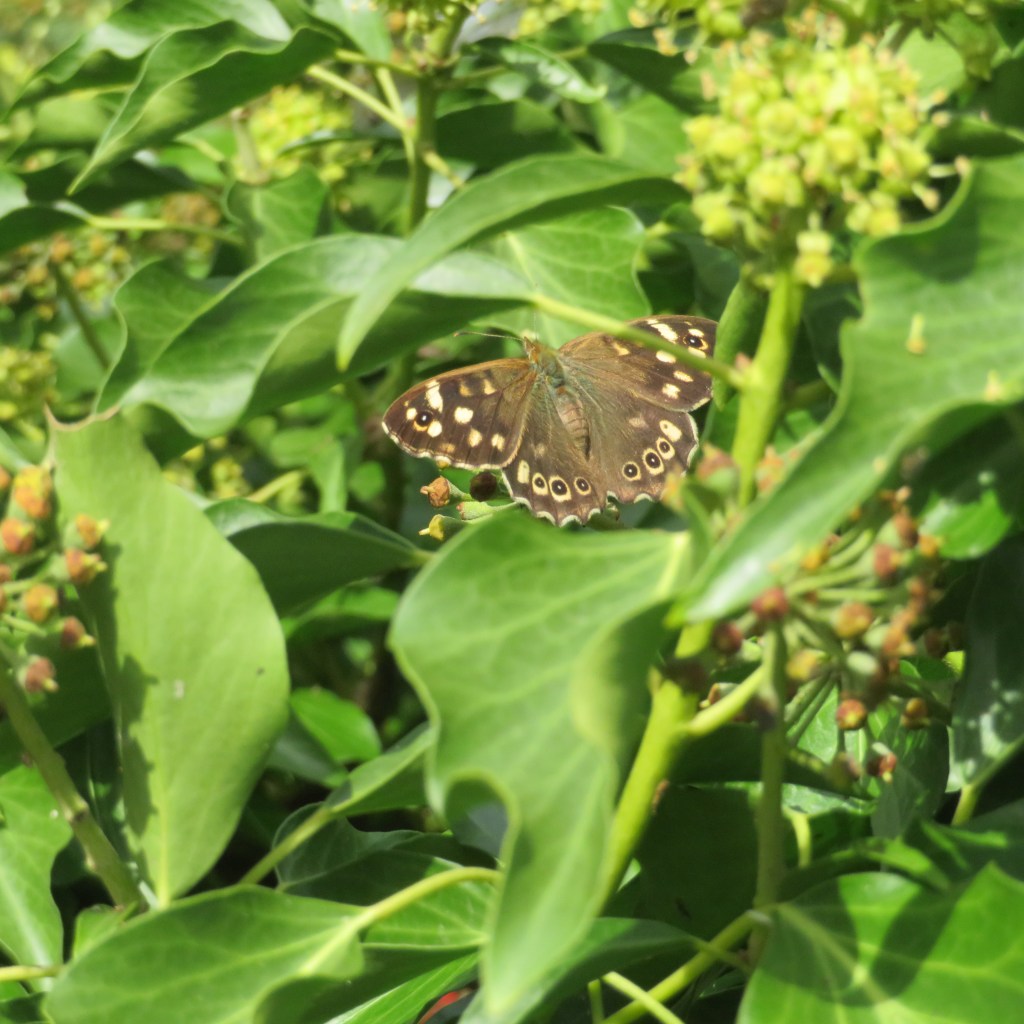
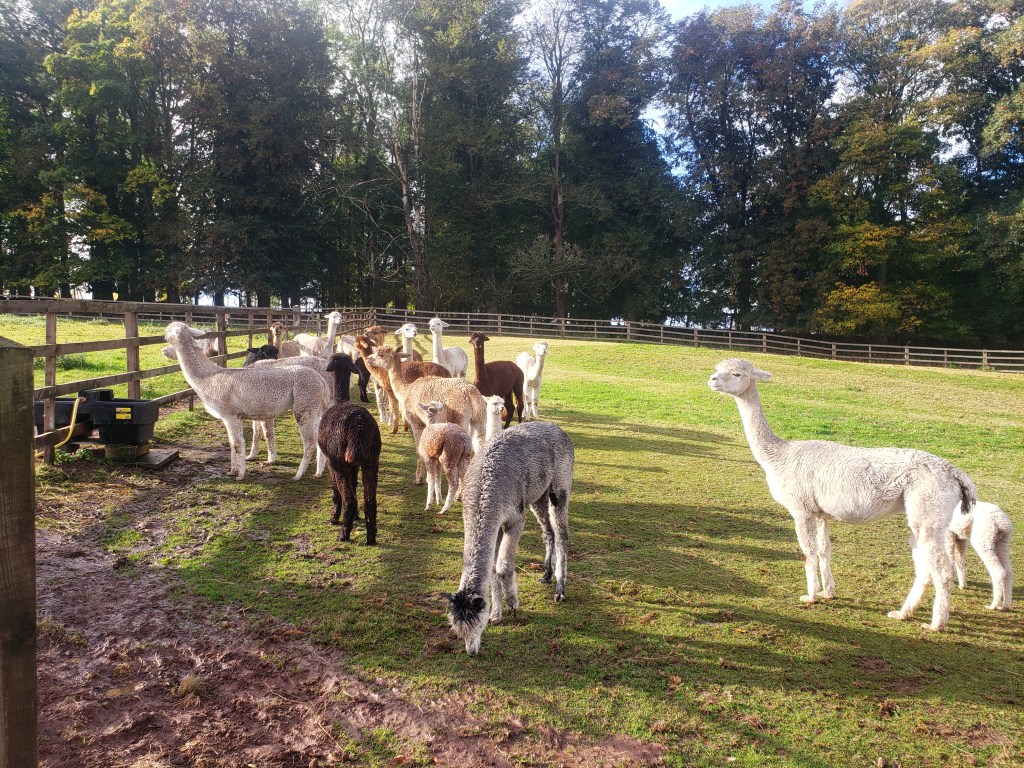
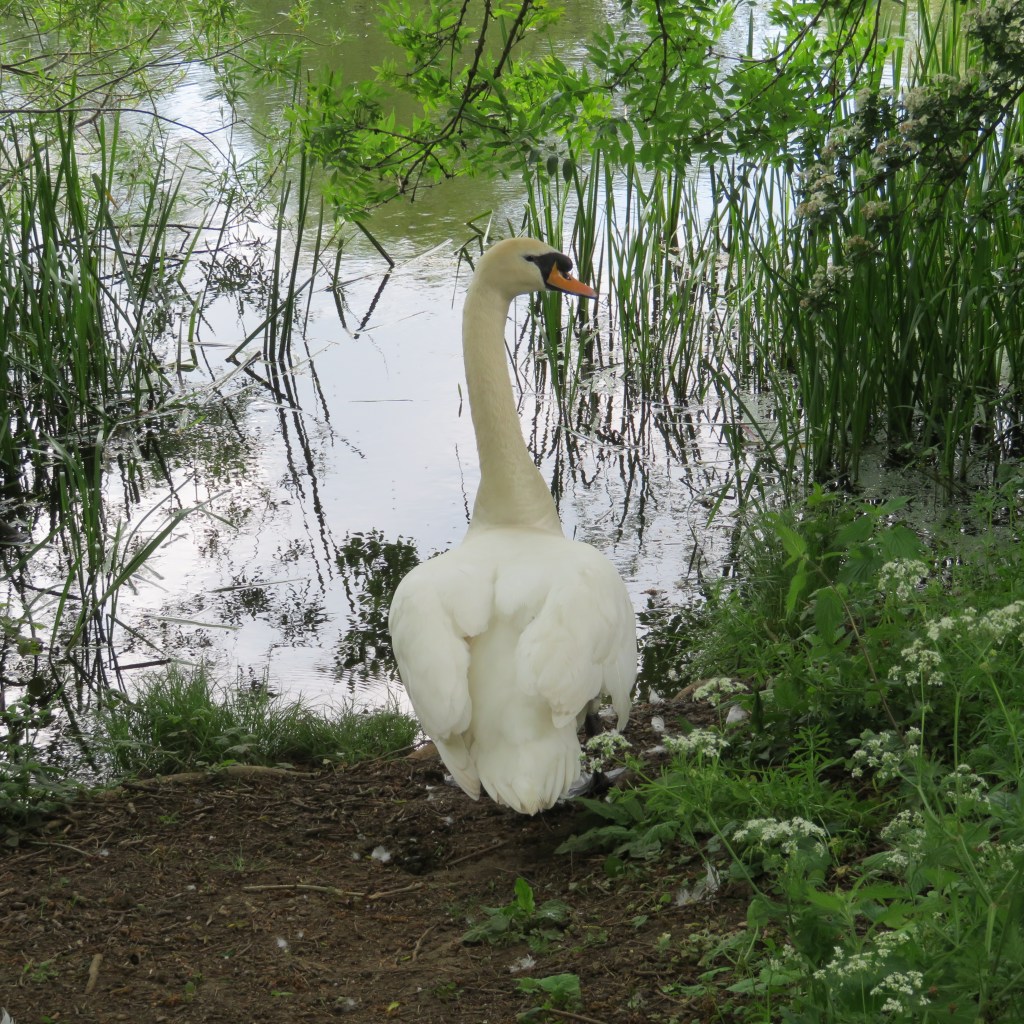
Photo credits – ALWP CEBP. These photos, except for the Haw flakes and the Chinese hawthorn (Wikipedia), were taken during my 2021-2023, 2-year-long search for and enjoyment of the English hawthorn from flower to green fruit and red pomes. A pome (not pomme, the French word for apple, although the term is derived from it) is an accessory fruit with the fleshy edible part being a hypertrophied floral component. Other trees producing pomes are the apple (not surprising), pear, and quince. I found the delightful hawthorn species with the profuse darker pink double flowers in the garden at Southwell Abbey. Perhaps just like cherry trees, those selected for their blooms fruit more sparingly. The Abbey’s hawthorn produced no berries in the 2023 season. The common C.monogyna hawthorn has the paler pink flowers. The swan, lamas, and butterflies were delights found during the hunt for the Crataegus in Nottinghamshire, UK. One of the hawthorns I found with the larger yellowish fruit was one grown as hedging at the delightful Felley Priory’s Garden. Which photo is your favourite?
Help
If you like this post, please forward it on to your friends by pressing on the Share button and invite your friends to join. Thank you. Si vous avez aimé cet article, transmettez-le à vos amis Facebook en appuyant sur le bouton Partager et invitez vos amis à nous rejoindre. Merci. #MedicineTrees #MedicinalHerbs #MedicinalPlants#HerbalMedicine #PlantMedicine #TakingLeadFromNature #HerbalTeas #FolkloreRemedies #Hawthorn #Pome #CrataegusTinnatifida #Crataegus #CrataegusMonogyna #HawFlakes #TraditionalChineseMedicine #TCM#aubépines #Cenelles #HerbsForHeartDisease #HerbsForIndigestion #ForagingHawthorns #Foraging
 Medicine Trees
Leave a comment